Author: Cappadocia Taxi – Airport Transfer

  • Traditional Handicrafts of Cappadocia: The Art of Local Craftsmanship

    Traditional Handicrafts of Cappadocia: The Art of Local Craftsmanship

    Cappadocia, a region celebrated for its otherworldly landscapes and ancient history, is equally renowned for something many don’t expect—its traditional handicrafts. Beyond its iconic fairy chimneys and cave dwellings, Cappadocia is a thriving hub for local artisans preserving centuries-old techniques. The traditional handicrafts of Cappadocia tell profound stories of community, culture, and creativity passed down through generations.

    Whether you’re curious about intricate pottery, handwoven carpets, or the finest jewelry, this blog will guide you through the heart of Cappadocia’s rich artisanal traditions. Join us as we explore the art of local craftsmanship and uncover the hidden treasures that make this region a cultural masterpiece.

    The Rich History Behind Cappadocia’s Handicrafts

    Cappadocia isn’t just a feast for the eyes; it’s a cradle of heritage. The region’s handicrafts blend cultural influences from ancient Anatolians, Persians, and Byzantines. Settlements that date back millennia have contributed to a unique artistic legacy, where function meets beauty in handmade objects.

    These crafts evolved as practical solutions for everyday life—pottery for storing food, textiles for warmth—but have grown into cherished cultural expressions. Today, the traditional handicrafts of Cappadocia remain a living connection to its storied past.

    Preserved Through Generations

    One of the most incredible aspects of Cappadocia is how artisans continue to preserve and share their skills through family-run workshops. Techniques remain virtually unchanged, keeping the soul of the craft intact. From fathers teaching sons to mothers passing down weaving skills, visitors can witness living history in these local studios.

    Exploring the Handicrafts of Cappadocia

    What makes the traditional handicrafts of Cappadocia so enchanting? Their diversity. Each craft carries its own distinct identity while representing the shared spirit of Cappadocian culture. Below, we’ll take a closer look at some of the most popular crafts created in this region.

    Pottery and Ceramics From Avanos

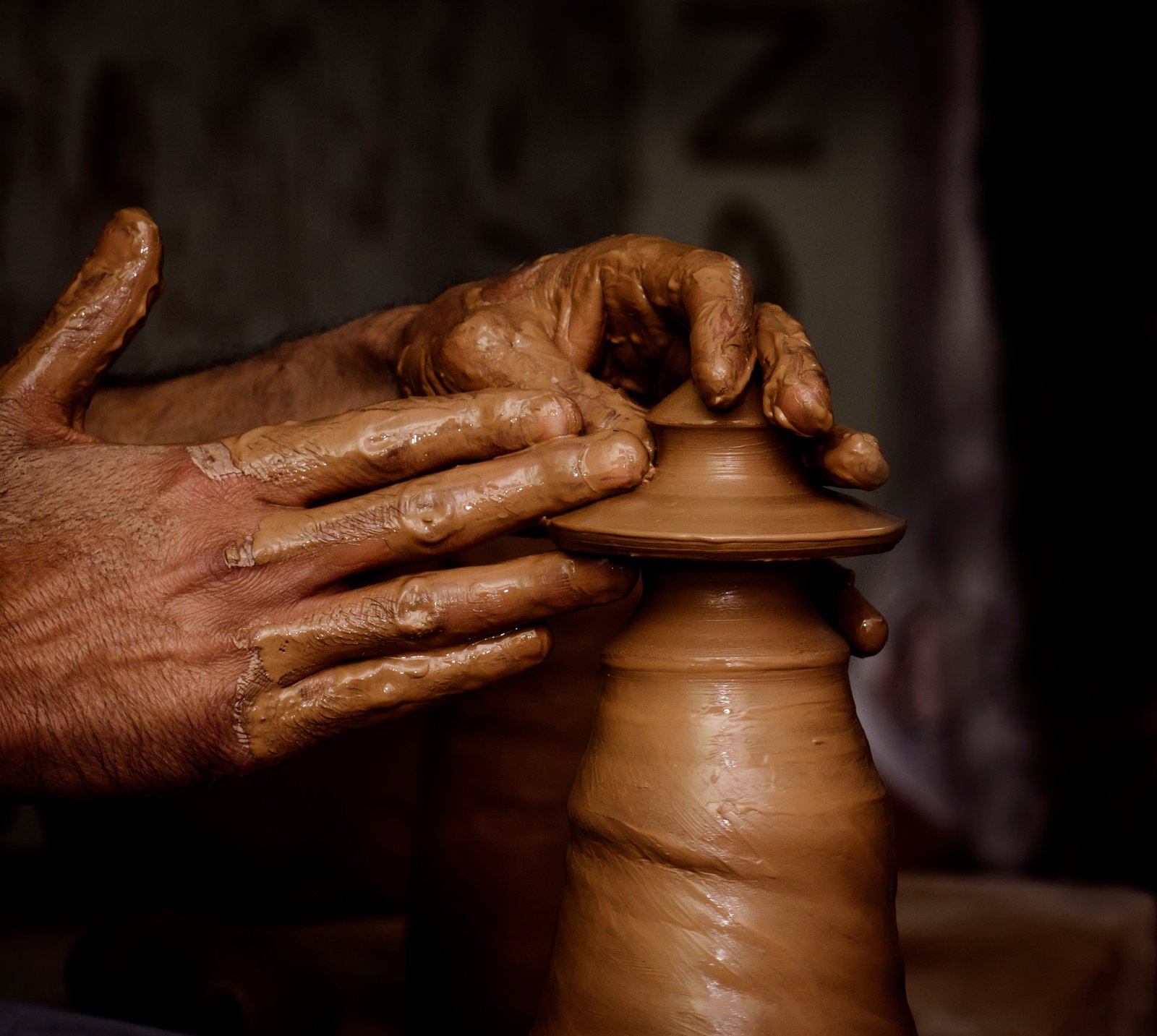
    The small town of Avanos proudly wears the title of Cappadocia’s pottery capital. For centuries, craftsmen here have used the region’s rich red clay from the Kızılırmak River to create stunning ceramics.

    According to local custom, these vibrant pieces go far beyond functionality—they hold artistic value and often carry traditional Anatolian patterns that narrate timeless cultural stories.

    Want to experience the art of pottery firsthand? Avanos offers an opportunity for visitors to spin clay themselves, learning the intricate balance of skill and creativity. This interaction not only offers a sense of pride but also deepens one’s appreciation of this captivating craft.

    The Timeless Elegance of Carpets and Kilims

    Cappadocia’s handwoven carpets and kilims (flat-woven rugs) are world-famous for their vibrant colors and symbolic patterns. Every thread tells a story, from the weaver’s personal experiences to broader cultural narratives about love, nature, and protection.

    Wool, silk, and natural dyes sourced locally are the materials of choice for these timeless creations. Places like Göreme and Ürgüp provide workshops where travelers can witness a weaver’s extraordinary attention to detail and even indulge in purchasing a truly one-of-a-kind souvenir.

    Jewelry with a Blend of Antiquity and Modernity

    Jewelry-making in Cappadocia is a celebration of intricate detail paired with creative modern reinterpretations. Artisans here draw inspiration from the region’s history and geography, often incorporating designs like the evil eye, geometric shapes, or even fairy chimneys.

    Look out for silver and semi-precious stones in particular—bracelets, necklaces, and rings handmade by skilled jewelers are popular choices for travelers seeking something both beautiful and meaningful to take home.

    Whittling Wonders in Wood and Stone

    Woodworking and stone carving are also deeply tied to Cappadocia’s artisanal traditions. Historically utilized for creating tools, furniture, and building materials, these crafts have grown into artistic showcases. Visitors can find hand-carved ornaments, religious symbols, and sculptures that reflect the distinct Cappadocian aesthetic.

    Why Support Cappadocia’s Local Artisans?

    Investing in Cappadocia’s handicrafts isn’t just about taking home a piece of its culture—it’s also about sustaining these traditions. Artisans in Cappadocia rely on their craft as a livelihood. Supporting their work ensures that their expertise continues to thrive in an increasingly globalized world.

    Additionally, purchasing directly from local workshops often provides a more immersive experience. You’ll interact with the people behind the creations, gaining insights into their techniques and stories. Supporting traditional handicrafts of Cappadocia connects you more deeply to the region’s rich heritage.

    Tips for Buying Traditional Handicrafts in Cappadocia

    Looking to take home a piece of Cappadocia? Here are some helpful tips when shopping for handmade crafts in the region:

    • Shop Locally: Seek out bazaars or artisan workshops rather than commercial tourist traps.
    • Look for Authenticity: Examine materials and designs. Genuine pieces typically use natural materials and reflect traditional patterns.
    • Ask Questions: Don’t hesitate to ask artisans about their techniques, the meaning behind patterns, or the sourcing of materials. Authentic craftsmen are passionate about their work and happy to share.
    • Invest in Quality: While some items may seem pricey, their craftsmanship and durability often justify the expense.

    Where to Begin Your Handicraft Journey

    Cappadocia’s vibrant towns and villages are your gateway to local artistry. Here are a few must-visit spots for exploring traditional handicrafts of Cappadocia:

    • Avanos—set your sights on stunning pottery and hands-on workshops.
    • Göreme—known for its exquisite textiles and kilims.
    • Ürgüp—a hub for high-quality carpets and local souvenirs.
    • Nevşehir Market—a gathering place for various artisans across the region.

    Bringing Cappadocia’s Spirit Home

    The traditional handicrafts of Cappadocia are more than souvenirs; they’re tokens of an ancient culture that values artistry and community. Whether it’s the warmth of a handwoven carpet or the gleam of a handcrafted ring, these creations bring the heart of Cappadocia into your home.

    Want to experience this exceptional artistry firsthand? Plan a visit or explore options to support artisans online—you won’t just take home a product; you’ll carry a part of Cappadocia’s soul with you.
  • The Rise of Christianity in Cappadocia: A Historic Journey

    The Rise of Christianity in Cappadocia: A Historic Journey

    Nestled in central Turkey’s mesmerizing landscape of unique rock formations and ancient caves lies Cappadocia—a region rich with history and culture. Among its many stories is one of profound spiritual and cultural transformation. The rise of Christianity in Cappadocia is a tale of resilience, faith, and innovation that left an indelible mark on the region and the world.

    This blog explores how Christianity took root in Cappadocia, its significance in history, and the incredible contributions it made to early Christian communities. We’ll guide you through the region’s defining moments and landmarks, offering insight into the spiritual legacy that Cappadocia continues to represent today.

    Early Roots of Christianity in Cappadocia

    To understand the rise of Christianity in Cappadocia, it’s essential to consider the political and cultural context. During the Roman Empire’s dominion, Cappadocia was a crossroads for many civilizations, blending Greek, Roman, and Persian influences.

    Christianity’s introduction to Cappadocia can be traced to the 1st century AD when apostles like Paul brought the message of Christ to Asia Minor. Cappadocia’s geographic location and its dense network of trade routes made it a fertile ground for spreading new ideas. Initially, the Christian faith grew in secrecy, with communities gathering in small, hidden assemblies as the Roman Empire viewed Christianity with suspicion.

    Persecution often followed these early Christian groups. Yet, the resilience of the Cappadocian Christians in enduring hardship became one of the defining characteristics of their faith.

    The Role of Underground Cities in Preserving Christianity

    One of the most fascinating aspects of Christianity in Cappadocia is the role of underground cities like Derinkuyu and Kaymakli. These vast, multi-level subterranean complexes were designed to house thousands of people and provide refuge during periods of persecution.

    Cappadocian Christians utilized these underground cities as safe havens to practice their religion freely. They excavated chapels, altars, and communal spaces within the caves, ensuring the continuity of their faith.

    The ingenuity displayed in these cities is remarkable. Ventilation shafts, water access points, and secure passageways were created to sustain long-term habitation. These underground communities illustrate the lengths to which Cappadocian Christians would go to preserve their spiritual practices.

    Cappadocia’s Impact on Early Church Theology

    The rise of Christianity in Cappadocia extended beyond physical survival—it became a center for theological innovation and leadership. By the 4th century AD, Cappadocia was home to the Cappadocian Fathers, three influential theologians who played a key role in shaping Christian doctrine.

    The Cappadocian Fathers and Their Contributions

    The trio—Basil the Great, Gregory of Nyssa, and Gregory of Nazianzus—were leaders of early Christian thought. They confronted complex theological issues of their time, including the nature of the Trinity and the integration of Greek philosophy into Christian teachings.

    • Basil the Great is celebrated for organizing monastic communities and establishing guidelines for communal Christian living. His work also included efforts to care for the poor and establish charitable institutions.
    • Gregory of Nyssa, Basil’s brother, is known for his profound spiritual writings and philosophical treatises, which remain influential in Christian theology today.
    • Gregory of Nazianzus, a childhood friend of Basil, was an eloquent orator and defender of orthodox beliefs. His theological works are regarded as some of the finest in defining the role of the Holy Spirit in the Trinity.

    Through their efforts, Cappadocia became a theological hub that enriched Christianity’s foundations and helped it grow as a scholarly religion that appealed to a diverse audience.

    The Byzantine Influence on Christianity in Cappadocia

    By the 4th century AD, Christianity became legally recognized under Emperor Constantine’s Edict of Milan. This marked a significant turning point for Christians in Cappadocia, allowing them to openly practice their faith. With this newfound freedom, the Christian community flourished.

    Cappadocia’s rocky landscapes became canvases for Byzantine art and architecture during this period. Monasteries and churches were meticulously carved into the region’s volcanic rock, adorned with frescoes that depicted biblical stories and saints.

    The Göreme Open Air Museum is one of the most stunning examples of this heritage. Here, visitors can see rock-cut churches like the Tokalı Church and the Karanlık Church, which feature vibrant frescoes illustrating the life of Jesus Christ. These masterpieces offer a glimpse into the religious devotion that shaped Cappadocia for centuries.

    Legacy of Christianity in Cappadocia Today

    The rise of Christianity in Cappadocia left an enduring legacy. Today, the region attracts pilgrims, historians, and curious travelers eager to experience its spiritual and historical treasures.

    Walking through the underground cities, visiting ancient rock-hewn churches, or reading the works of the Cappadocian Fathers helps one grasp the impact Christianity had on this unique region. Cappadocia’s history is not just a regional story—it is a global testament to faith, innovation, and cultural resilience.

    Discover the Religious and Cultural Riches of Cappadocia

    The story of Christianity in Cappadocia is one of courage and transformation. From the hidden underground cities to the theological contributions of the Cappadocian Fathers, every chapter of this history reveals the pivotal role the region played in shaping Christianity.

    Whether you’re a student of history, a spiritual seeker, or someone enchanted by Cappadocia’s stunning landscape, there’s something profound to discover here. Next time you visit Turkey, immerse yourself in the legacy of this awe-inspiring region.

  • Best Rooftop Restaurants in Cappadocia with Stunning Views

    Best Rooftop Restaurants in Cappadocia with Stunning Views

    When it comes to unforgettable dining experiences, few places can compete with the charm and beauty of Cappadocia. Known for its otherworldly landscapes and fairy-tale-like chimneys, this Turkish gem is also home to some of the most impressive rooftop restaurants. These establishments not only serve incredible food but also offer breathtaking views of Cappadocia’s iconic valleys, rock formations, and hot air balloons floating at sunrise.

    Wondering where you should dine to combine epic scenery with an unforgettable meal? Here’s our guide to the best rooftop restaurants in Cappadocia with stunning views in 2024.

    Why Rooftop Restaurants in Cappadocia Are a Must-Visit

    Cappadocia’s unique geography is what makes rooftop dining here so special. Picture yourself dining under a starlit sky, with panoramic views of the Göreme valleys and the surreal landscape stretching for miles around you. Rooftop restaurants in Cappadocia aren’t just about the food—they’re about immersing yourself in a one-of-a-kind atmosphere that combines history, culture, and nature.

    Many rooftop restaurants have preserved traditional Anatolian aesthetics while incorporating modern dining experiences, making them a perfect spot for travelers who want both heritage and comfort.

    Top Rooftop Restaurants in Cappadocia

    1. Seten Restaurant

    Seten Restaurant consistently makes its way into the hearts of Cappadocia’s visitors and locals alike. Located within the iconic district of Göreme, this rooftop gem offers uninterrupted views of the fairy chimneys and valleys. Arrive in the evening, and you’ll have front-row seats to Cappadocia’s magical sunset hues.

    Menu Highlights:

    • Slow-cooked Testi Kebab, a Cappadocian specialty.
    • Vegetarian-friendly dishes, including dolmas and lentil soup.
    • Decadent baklava paired with Turkish coffee.

    Seten also boasts a wine menu filled with selections from the region’s famed vineyards, making it a top choice for a romantic dinner.

    2. Haruna Terrace

    For those who want an intimate dining spot, Haruna Terrace, perched atop a historic building in Uçhisar, is an excellent choice. Surrounded by Cappadocia’s most iconic vistas, including Uçhisar Castle, this rooftop restaurant offers a more tranquil and exclusive experience.

    What Makes It Stand Out:

    • Cozy seating to enjoy mesmerizing views of hot air balloons at sunrise.
    • A fusion menu blending Turkish flavors with international preparations.

    Pro Tip: Head there early in the morning with a warm cup of Turkish tea to witness Cappadocia’s famous balloon-filled skies.

    3. Topdeck Cave Restaurant

    While Topdeck Cave Restaurant is well-known for its cozy cave setting, don’t miss its gorgeous rooftop option during warmer months. This hidden gem in central Göreme offers a more relaxed and intimate atmosphere, paired with the extraordinary sights Cappadocia is famed for.

    What to Try:

    • Meze platters featuring house-made dips.
    • Spiced Lamb Casserole, bursting with Anatolian flavors.
    • Refreshing ayran, Turkey’s beloved yogurt drink.

    Whether it’s the food, the view, or the welcoming hospitality, Topdeck keeps its visitors coming back for more.

    4. Lil’a Restaurant

    Located at the Museum Hotel—one of Cappadocia’s most luxurious properties—Lil’a Restaurant elevates the rooftop dining experience to new heights. With unobstructed views of the panoramic valleys, this is the go-to spot for a lavish dinner.

    Menu Highlights:

    • Locally sourced fine dining dishes, including duck confit and lamb filet.
    • Artisanal desserts crafted by top chefs.
    • A wine list showcasing some of the best local and international labels.

    Lil’a’s elegant atmosphere, combined with its scenic views, makes it a must-visit for anyone celebrating a special occasion in Cappadocia.

    5. Seyr-i Göreme

    Seyr-i Göreme is the epitome of rooftop dining that captures the region’s essence. The restaurant is especially popular for its breakfast spreads, which feature a variety of local cheeses, olives, jams, and freshly baked bread—all served with panoramic views of the valley’s dramatic formations.

    What Visitors Love:

    • Its laid-back yet charming atmosphere.
    • Affordable pricing without compromising on quality.
    • Exceptional photo opportunities with fairy chimneys and the Göreme sunset.

    It’s an ideal spot for couples and families alike to start their day while soaking in Cappadocia’s unmatched beauty.

    6. Mithra Cave Hotel Restaurant

    Mithra Cave Hotel doesn’t just offer boutique accommodations; it’s also home to a rooftop dining spot that is perfect for romantic dinners and early-morning views. Watch the sunrise as thousands of hot air balloons take to the skies, creating a scene straight out of a fantasy novel.

    Best Dishes to Order:

    • Clay Pot Kebabs served tableside.
    • Sweet treats like kunefe—crispy pastry soaked in syrup and topped with cheese.
    • Cappadocia’s legendary white wine.

    Dining here is an experience that seamlessly blends luxury with Cappadocian hospitality.

    Tips for Choosing the Best Rooftop Restaurant in Cappadocia

    • Book Early for Sunrise/Sunset Views

    The best rooftop restaurants in Cappadocia get booked quickly, especially for peak balloon-viewing times during sunrise and sunset. Reserve your table ahead to secure the best spots.

    • Go Beyond Dinner

    Many rooftops also offer breakfast or light snacks, allowing you to enjoy Cappadocia’s vistas throughout the day. Morning visits are particularly enchanting if you want to catch the balloons.

    • Savor Regional Wines

    Cappadocia has a rich wine culture, so be sure to ask your server for pairing suggestions that highlight the area’s local grape varieties.

    More Than Just Restaurants—An Immersive Experience

    Dining at rooftop restaurants in Cappadocia is more than just a meal—it’s an experience that lingers long after you’ve left the table. From breathtaking balloon-filled panoramas to traditional Anatolian flavors, these establishments capture the heart of everything this magical region has to offer.

    Whether you’re an early bird catching the sunrise or a sunset chaser basking in golden-hour beauty, these spots promise an experience like no other. Take in the views, savor an expertly curated dish, and immerse yourself fully in Cappadocia’s charm.

  • A Day in Ihlara Valley: Hiking Through History and Nature

    A Day in Ihlara Valley: Hiking Through History and Nature

    Nestled in the enchanting Cappadocia region of Turkey lies the breathtaking Ihlara Valley, a destination where history and nature seamlessly converge. Known for its striking landscapes, ancient rock-carved churches, and a serene river threading through its depths, Ihlara Valley offers an unforgettable experience for adventurers and history enthusiasts alike. Whether you’re seeking a day of peaceful hiking or a deeper connection with centuries-old history, exploring Ihlara Valley is a must for anyone venturing into this captivating part of the world.

    Join us as we guide you through what makes Ihlara Valley a unique treasure, its historical and natural significance, and what to expect on your hiking adventure.

    Why Visit Ihlara Valley?

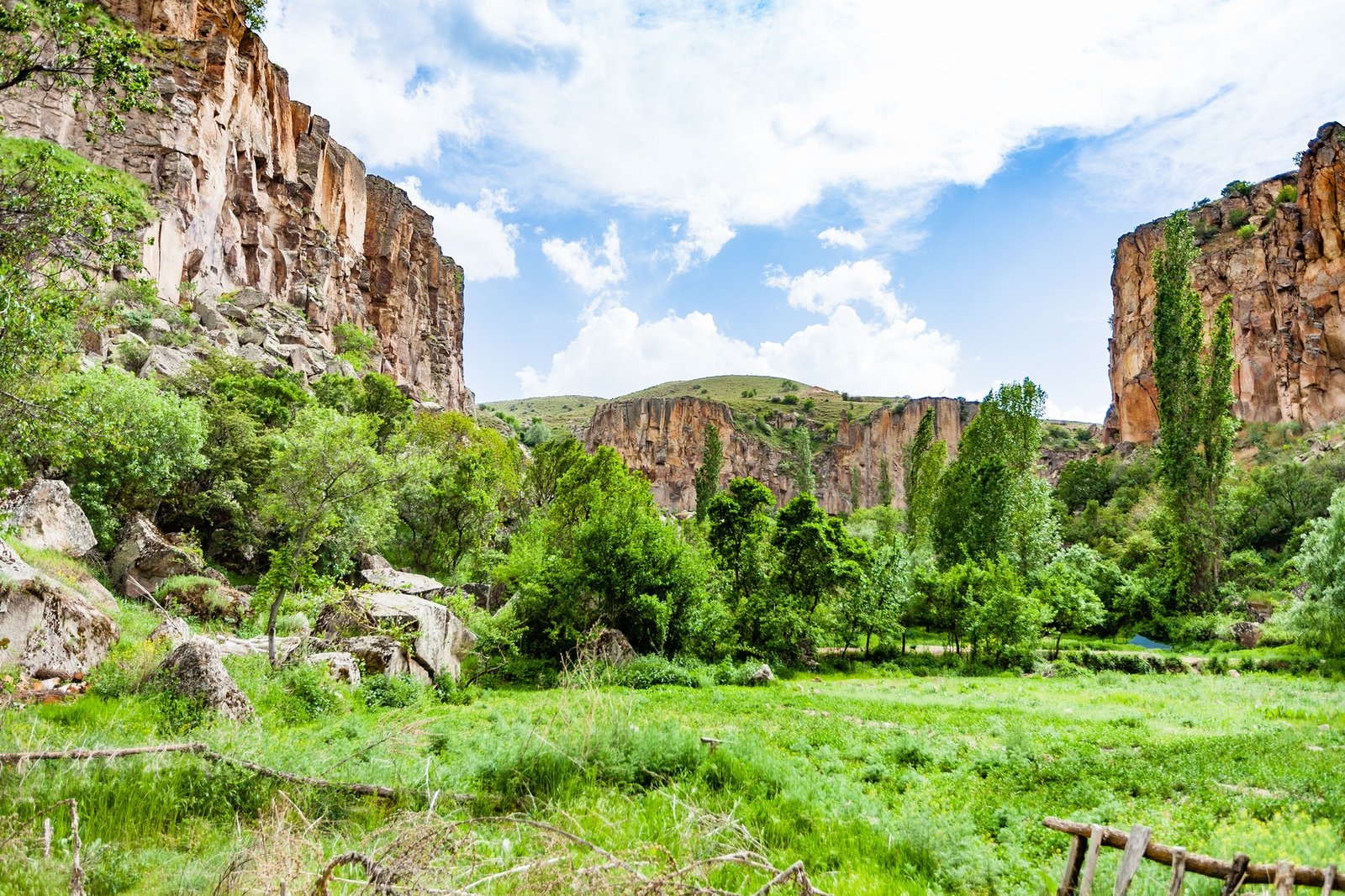
    Ihlara Valley is more than just a natural landmark; it’s a time capsule that carries the echoes of ancient civilizations alongside stunning natural beauty. Stretching over 16 km (10 miles), the valley is blanketed with shady poplar trees, kissed by the soft meanders of the Melendiz River, and lined with hundreds of rock-hewn caves and sanctuaries.

    It’s famously home to a series of Byzantine-era chapels carved into the valley walls, each one adorned with remarkable frescoes. These structures reflect a unique blend of religious significance and architectural brilliance from centuries past. Combined with its lush flora and gently flowing river, Ihlara Valley is a place that beckons travelers yearning for both serene landscapes and cultural depth.

    If you’re a fan of hiking, photography, or simply soaking in the wonders of history and nature, Ihlara Valley promises a captivating day you’ll never forget.

    Exploring Ihlara Valley Through Its Subtle Layers

    1. Historical Highlights of Ihlara Valley

    One of Ihlara Valley’s standout features is its historical wealth. Dating back to the early centuries of Christianity, this valley served as a refuge for monks, clergy, and early Christian settlers during times of persecution.

    The rock-carved churches scattered throughout the valley, such as the Ağaçaltı Church and St. George Church, reflect this historical relief. Their ancient frescoes, depicting biblical scenes and saints, represent the artistic and spiritual expression of the time. While some frescoes have deteriorated over the years, the vibrant colors and intricate details that remain showcase a skilled hand and deep devotion.

    Walking through Ihlara Valley offers visitors a glimpse into this sacred history, making your hike more than just a physical activity—it doubles as an immersive experience into the valley’s legacy.

    2. Nature’s Masterpiece

    Ihlara Valley’s natural beauty is unparalleled, making it a hiker’s paradise. The lush greenery along the Melendiz River provides a canopy of shade—a welcome escape from Cappadocia’s arid climate. Poplar trees sway gently in the breeze, while the sound of the flowing river adds a calming backdrop to the entire hike.

    The valley is also a habitat for wildlife, so keep an eye out for various bird species, frogs, and other creatures that call this serene ecosystem home. Add in the dramatic canyon walls, and you’re surrounded by an awe-inspiring natural amphitheater as you make your way.

    Nature enthusiasts will find Ihlara Valley to be an excellent spot for rejuvenation, whether you’re hiking the trails or simply pausing to enjoy the scenery.

    3. The Hiking Routes of Ihlara Valley

    Hiking in Ihlara Valley caters to enthusiasts of all levels, offering multiple routes ranging from short, leisurely strolls to longer, more adventurous treks. Here’s a quick overview to help plan your day:

    • Starting Point: Most visitors begin their hike at the village of Ihlara, where a series of roughly 380 steps leads down into the valley. Although the descent might sound daunting, the view awaiting you in the valley below makes it entirely worth the effort.
    • Highlights Along the Route: The path stretches roughly 16 km (10 miles), but don’t feel compelled to cover the entire distance. Popular stops along the hike include:
      • Belisırma Village: A great halfway point to rest and have a meal. Local riverside cafes serve traditional Turkish delights, offering scenic spots for a picnic.
      • Selime Monastery: Located at the far end of the valley, this towering ancient monastery is an architectural gem worth the trek.
      • Churches Along the Route: Plan short detours to visit hidden gems like the Snake Church or Kokar Church for a peek into Ihlara’s spiritual past.
    • Duration: A full hike through the valley typically takes 4–5 hours, but you can choose shorter sections if you’re tight on time.

    4. Insider Tips for Your Ihlara Valley Adventure

    Here are some tips to make the most of your visit:

    • Wear Comfortable Footwear: The terrain varies from easy, flat paths to steeper inclines near cliff faces, so sturdy hiking boots or sneakers are essential.
    • Start Early: To avoid the midday crowd and heat, begin your hike in the morning.
    • Pack Snacks and Water: While there are a few cafes in the valley, having your own supplies ensures you’ll stay hydrated and energized along the trails.
    • Bring a Camera: The dramatic landscapes, historic landmarks, and vibrant wildlife make for excellent photo opportunities.
    • Prepare for All Weather: Check the forecast and bring layers; while summer days can get warm, mornings and evenings are cooler, especially in shaded areas.

    Connect with the Magic of Ihlara Valley

    A visit to Ihlara Valley isn’t just about hiking. It’s about connecting. Connecting with the whispers of a world that existed over a thousand years ago, with the natural symphony of its serene surroundings, and with yourself through a brief pause from the chaos of modern life.

    Through its winding paths, secluded sanctuaries, and mesmerizing views, Ihlara Valley leaves a lasting impression on all who explore its verdant depths. Whether you’re a history lover, a nature enthusiast, or someone seeking quiet moments of reflection, this hidden gem of Cappadocia promises to deliver an unforgettable experience.

    Plan Your Visit

    Are you ready to plan your day in Ihlara Valley? Whether you’re envisioning a picture-perfect hike or curious about its historical treasures, this valley awaits with open arms. Start your adventure now and add Ihlara Valley to your must-visit list for your next trip to Turkey!

  • How Cappadocia’s Fairy Chimneys Were Formed: The Science Behind the Magic

    How Cappadocia’s Fairy Chimneys Were Formed: The Science Behind the Magic

    Cappadocia’s Fairy Chimneys are among the most fascinating natural wonders of the world. Rising dramatically from the valleys of central Turkey, these towering rock formations look like something pulled straight out of a fantasy novel. But beneath their surreal beauty lies a captivating geological story that has unfolded over millions of years. How did such unique structures come to exist? Let’s unravel the science behind the magic of Cappadocia’s Fairy Chimneys.

    What Are Cappadocia’s Fairy Chimneys?

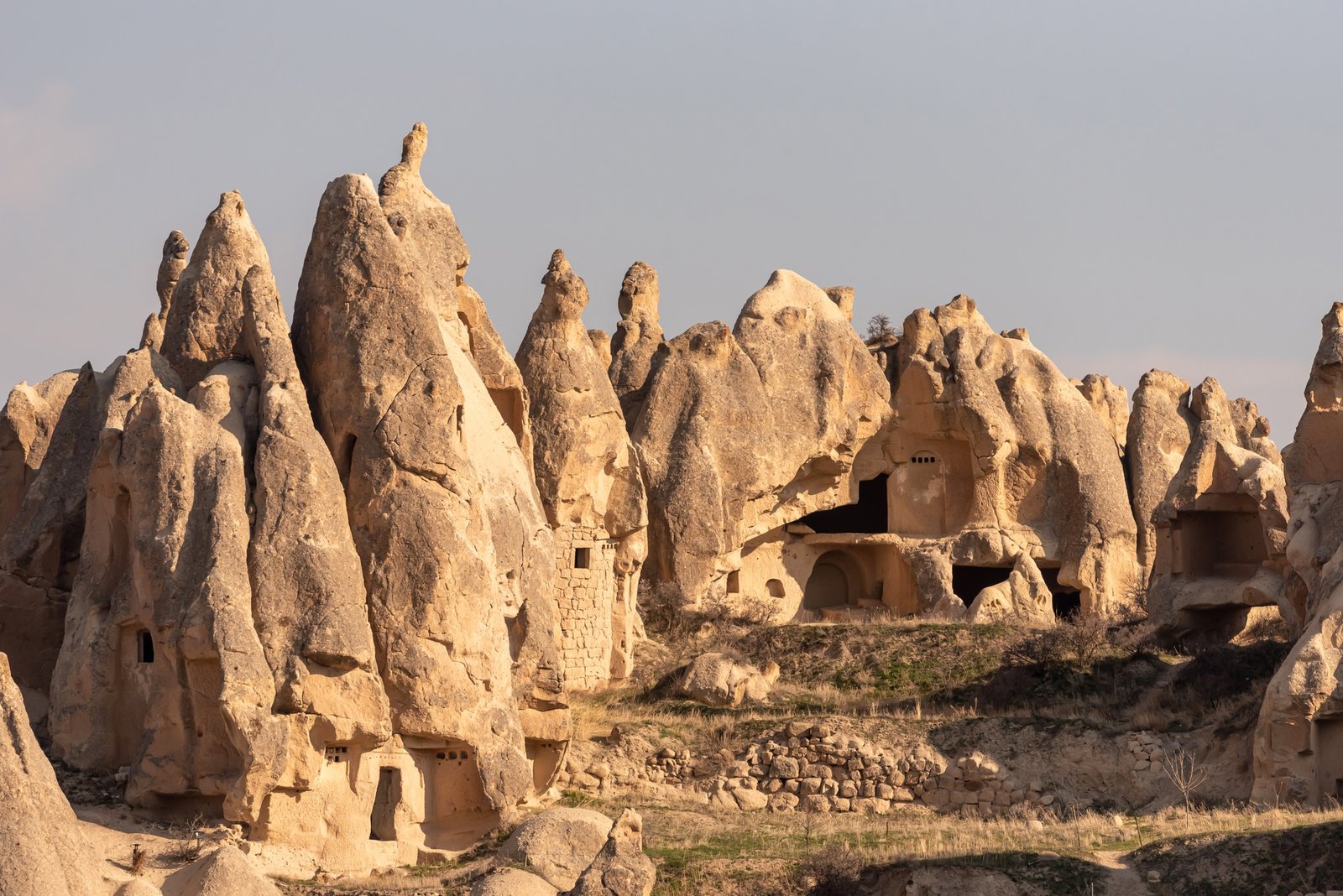
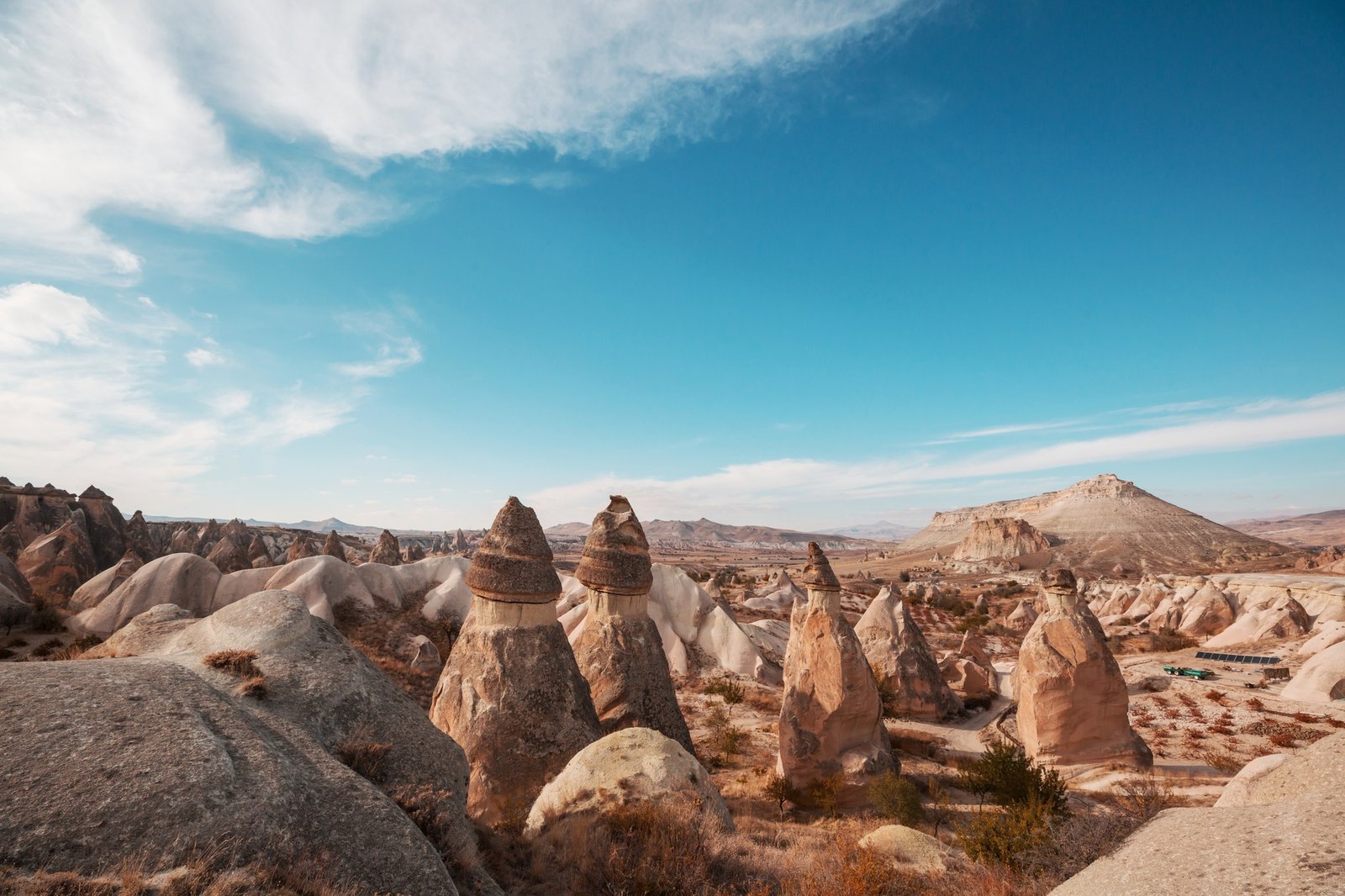
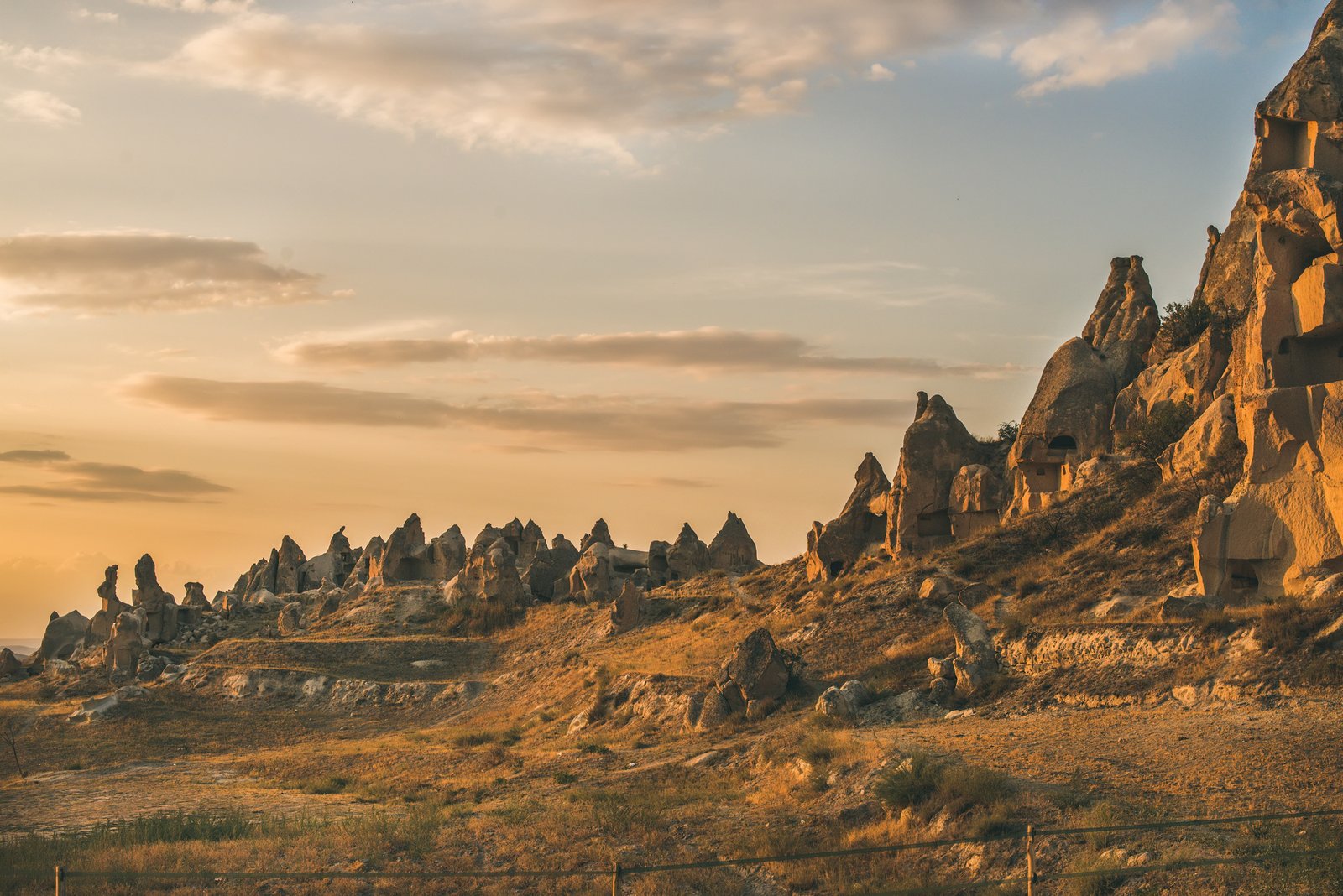
    Nestled in Turkey’s Cappadocia region, the fairy chimneys are tall, slender rock formations that resemble conical spires. Some stand alone, while others are grouped together, forming landscapes that look almost otherworldly. What’s even more remarkable is that many of these chimneys have been hollowed out by humans over centuries, transforming them into homes, churches, and even boutique hotels.

    But their unusual shapes aren’t just artistic creations or works of ancient engineering—these stunning structures are the direct result of millions of years of volcanic activity, weathering, and erosion. To truly appreciate them, we need to look back in time, to when they first began to take shape.

    The Geological Origins of Cappadocia’s Fairy Chimneys

    Volcanic Eruptions Set the Stage

    Millions of years ago, volcanic eruptions from nearby mountains like Erciyes, Hasan, and Göllüdağ laid the groundwork for Cappadocia’s iconic landscape. These massive eruptions blanketed the region with layers of volcanic ash, lava, and tuff—a soft, porous rock formed from compressed volcanic ash.

    Over time, these materials cooled and solidified, creating a landscape layered with different types of rock. The harder basalt and andesite layers served as a protective cap, while the softer tuff underneath became more susceptible to erosion.

    Erosion Shapes the Landscape

    The story of how Cappadocia’s fairy chimneys took their present form is one of patient persistence by natural forces. Over millions of years, wind, rain, and temperature shifts began wearing away at the soft tuff layers. The harder caprocks, however, resisted erosion, acting like shields that protected the columns of rock beneath them.

    Gradually, this process of differential erosion shaped the tall, slender spires we now call fairy chimneys. Without the protective caprocks, these formations would have eroded completely, blending into the surrounding landscape.

    The Power of Water and Time

    While wind played a significant role in shaping Cappadocia’s fairy chimneys, water was equally influential. Rainwater seeped through cracks in the harder basalt and andesite layers, carving deeper grooves in the softer tuff below. Over time, these narrow crevasses widened, creating the isolated rock columns that dominate Cappadocia today.

    Interestingly, the region’s semi-arid climate has also contributed to preserving the fairy chimneys. Limited rainfall means erosion happens gradually, giving these formations their distinct, well-preserved appearance.

    The Role of Human Innovation in Cappadocia’s Fairy Chimneys

    While natural forces sculpted Cappadocia’s fairy chimneys, humans have played a critical role in shaping their history and cultural significance. The unique properties of tuff—being soft and easy to carve—have allowed people to hollow out these formations for practical and spiritual purposes.

    Ancient Living Quarters

    Early settlers in the region realized the tuff’s potential as a building material. They dug into the fairy chimneys to create homes that provided insulation from the harsh temperature extremes of central Turkey. Even today, some of these ancient dwellings are still standing, offering a glimpse into life thousands of years ago.

    Spiritual Sanctuaries

    Cappadocia’s fairy chimneys also became a refuge for early Christians fleeing persecution. They carved intricate chapels and monasteries into the rock, adorning them with frescoes that have largely endured the test of time. The Göreme Open Air Museum, a UNESCO World Heritage Site, is perhaps the most famous collection of these rock-cut churches.

    Modern Uses

    Today, Cappadocia’s fairy chimneys have found new life as boutique hotels, creating unique accommodation options for travelers. Their timeless allure continues to attract visitors from around the world, blending natural history with human creativity in a way few destinations can rival.

    Why Cappadocia’s Fairy Chimneys Are Geologically Unique

    Cappadocia isn’t the only place on Earth with tall spires of rock, but it is unique in the combination of natural and human history it offers. The interplay of volcanic geology with human ingenuity has made it a one-of-a-kind destination.

    Geologists point out that Cappadocia’s fairy chimneys are excellent examples of columnar jointing and differential erosion. Similar formations can be found in Bryce Canyon National Park in Utah and the White Desert in Egypt, but none match Cappadocia’s scale or cultural legacy.

    Preserving Cappadocia’s Natural Wonder

    The continued existence of Cappadocia’s fairy chimneys depends on careful preservation. While erosion is a slow process, human activity and tourism can accelerate damage to these fragile formations. Local authorities and international organizations are working together to protect these natural wonders through conservation efforts and sustainable tourism initiatives. Visitors are encouraged to enjoy these incredible landscapes responsibly to ensure they remain intact for future generations.

    Explore the Magic of Cappadocia’s Fairy Chimneys

    Cappadocia’s fairy chimneys are more than just geological formations—they’re a testament to the incredible forces of nature and the ingenuity of human imagination. Whether you’re a history buff, a geology enthusiast, or simply someone who appreciates surreal landscapes, visiting Cappadocia will leave you awe-inspired.

    The next time you plan a trip, consider this enchanting region as your destination. Witness firsthand the science behind the magic of Cappadocia’s fairy chimneys, and immerse yourself in the awe-inspiring history they carry.

  • Ürgüp’s Wine Heritage: The Heart of Cappadocia’s Vineyard Culture

    Ürgüp’s Wine Heritage: The Heart of Cappadocia’s Vineyard Culture

    Nestled in the ancient region of Cappadocia, Ürgüp has cemented its legacy as Turkey’s wine capital over centuries of winemaking traditions. Ürgüp’s wine is more than a beverage—it’s the story of a land shaped by volcanic soil, a climate made for vines, and generations of craftsmanship. Whether you’re a wine aficionado or a curious traveler in search of authentic cultural experiences, Ürgüp’s wine heritage invites you to discover the unique flavors and stories of this enchanting region.

    This blog will uncover the history behind Ürgüp’s winemaking traditions, the unique terroir that shapes its wines, and the thriving cultural experience waiting for visitors.

    The Rich History of Ürgüp’s Wine

    Ürgüp’s story begins thousands of years ago with its winemaking deeply woven into the region’s history. Archaeological findings have traced the area’s vineyard origins back to the Hittite civilization, almost 4,000 years ago. It’s believed that Ürgüp’s unique volcanic soil and semi-arid climate played a crucial role in giving ancient wine its distinctive taste—and that legacy lives on today.

    Over the centuries, Ürgüp became a central hub in Anatolia for viniculture, aided by its strategic location. The Silk Road brought traders, cultures, and vine-cutting practices to Cappadocia, enriching local techniques. Later, during the Byzantine period, Christianity invigorated the winemaking industry as monasteries relied on wine for religious ceremonies. These historic vines continue to shape Ürgüp’s wine heritage, blending antiquity with modern innovation in winemaking.

    Why Cappadocia’s Terroir Defines Ürgüp’s Wine

    One cannot discuss Ürgüp’s wine without exploring Cappadocia’s rare geological landscape. The region’s volcanic soil—formed millions of years ago by eruptions from now-dormant Mount Erciyes and Mount Hasan—creates a fertile base rich in minerals that vines adore. This combination of soil, combined with temperature fluctuations between day and night, produces grapes with concentrated flavors, crisp acidity, and complex aromas.

    Unique Grape Varieties

    Ürgüp’s wine stands out thanks to native Anatolian grapes such as Kalecik Karası, Öküzgözü, and Boğazkere, which add unique character to regional reds. These varieties shine with bold fruit flavors, smoky undertones, and herbaceous notes. For white wine lovers, the delicate Narince (Na-rin-jay) grape offers aromas of citrus and green fruits, creating refreshing, food-friendly wines.

    If you’re exploring Ürgüp’s wine, you’ll also find international grape varieties grown here. Varietals like Cabernet Sauvignon, Sauvignon Blanc, and Chardonnay adapt beautifully to Cappadocia’s cooler climate and volcanic soils, resulting in a harmonious blend of local and global winemaking styles.

    Wine Experiences in Ürgüp

    For those seeking to immerse themselves in the legacy of Ürgüp’s wine, the area offers countless experiences for both avid wine enthusiasts and casual sippers alike.

    Visiting Ürgüp’s Wine Caves

    Cappadocia’s iconic rock formations are not only a marvel to behold but also serve as functional wine cellars. Many wineries in Ürgüp use the natural temperature regulation of these caves to age their wines. Visitors can tour these picturesque cellars, enjoy tastings, and even witness traditional wine production techniques.

    The Annual Wine Harvest Festival

    If you’re lucky enough to visit Ürgüp during harvest season, don’t miss the region’s Wine Harvest Festival, held every September. This lively celebration brings farmers, winemakers, and visitors together to honor a successful harvest. Wine tastings, grape-stomping competitions, and traditional Anatolian music create an unforgettable cultural experience.

    Boutique Wineries

    Boutique vineyards like Turasan and Kocabağ have become synonymous with Cappadocia’s premium wines. These wineries open their doors to visitors, offering guided tours where you’ll learn about their sustainable farming practices, unique vinification processes, and, of course, taste their remarkable wines.

    Ürgüp’s Wine in Global Markets

    While Ürgüp remains a beloved wine region for locals, its reputation is growing around the world. Many small-scale producers are now exporting their wines internationally, with export growth seen primarily in Europe and North America. This increasing global presence is a testament to the unparalleled quality of Ürgüp’s wine and the local producers’ commitment to preserving ancient traditions while adapting to modern demands.

    Wine enthusiasts can also find Ürgüp wines popping up in international competitions, earning accolades for their flavor complexity and distinct terroir. If you’re curious to try Ürgüp’s wine without traveling to Turkey, specialty wine shops or online outlets offering Anatolian wines are great starting points.

    The Connection Between Ürgüp’s Wine and Its Community

    What makes Ürgüp’s wine more than just a delicious beverage is the devotion of its community. Most vineyards are family-operated, with knowledge passed down through generations. To locals, wine is not solely a product—it’s part of their identity and an expression of their heritage.

    When you support Ürgüp’s wine industry—whether by purchasing a bottle or visiting the region—you’re preserving this time-honored tradition and boosting the livelihoods of local growers and winemakers.

    Planning Your Visit to Ürgüp’s Wine Region

    If this piece has sparked your interest in exploring Ürgüp, here are practical tips to make the most of your trip:

    • Best Time to Visit: Late summer to early fall is ideal for witnessing the wine harvest and participating in winery events.
    • Getting Around: While Ürgüp is accessible by car or public transport, hiring a local guide can provide a deeper understanding of the region’s history and wine culture.
    • Accommodation: Stay in one of Cappadocia’s famous cave hotels for an unforgettable experience that complements the theme of tradition and heritage.
    • Must-Visit Spots: Don’t miss Turasan Winery, the Göreme Open Air Museum, and the iconic Uchisar Castle to mix wine exploration with cultural sightseeing.

    Experience Ürgüp’s Wine Heritage for Yourself

    Ürgüp’s wine is a gateway to Cappadocia’s soul—a harmonious blend of rich history, extraordinary geology, and passionate craftsmanship. Each sip provides not only flavors of the earth but also a taste of a unique cultural legacy.

    Whether you’re intrigued by the world-class wines, captivated by the ancient heritage, or eager to escape to Cappadocia’s charming landscapes, Ürgüp offers a perfect destination for your next adventure.

    Raise your glass and toast to the timeless legacy of Ürgüp’s wine heritage. Book a tour, visit a vineyard, or simply pour yourself a glass and savor a piece of history. Cheers!

  • Ultimate Restaurant Guide: Where to Eat in Cappadocia

    Ultimate Restaurant Guide: Where to Eat in Cappadocia

    Cappadocia, renowned for its enchanting landscapes and unique cultural heritage, is also a paradise for food lovers. From traditional Turkish delicacies to fine dining experiences, knowing where to eat in Cappadocia ensures that your culinary exploration is as memorable as its scenic hot air balloon rides. Whether you’re a fan of hearty local flavors or international cuisine with a Cappadocian twist, we’ve rounded up the best spots to savor every bite during your visit.

    Why Cappadocia is a Food Lover’s Paradise

    Cappadocia doesn’t just captivate with its whimsical “fairy chimneys” and underground cities—it’s a gastronomic haven as well. Cappadocia’s food scene is a delightful mix of Anatolian traditions, authentic Ottoman influences, and a creative use of local ingredients. Here, dining is more than just a meal; it’s an experience filled with warmth, culture, and sometimes even dining in ancient caves. Let’s uncover where the best meals await in Cappadocia.

    Best Restaurants to Eat in Cappadocia

    When in Cappadocia, make sure your itinerary includes these incredible dining spots that cater to every palate.

    1. Seten Restaurant

    If you’re looking for an authentic yet refined Turkish dining experience, Seten Restaurant checks every box. Nestled in Göreme, this restaurant serves dishes that put a modern spin on Cappadocian cuisine. Imagine tender lamb cooked with apricots and herbs or creamy pottery kebabs served in traditional clay pots.

    • Specialties to Try: Testi kebab, manti (Turkish dumplings), and house-made baklava
    • Why It Stands Out: Incredible views of Göreme’s fairy chimneys from the patio
    • Pro Tip: Reserve a table for sunset to pair your meal with breathtaking views.

    2. Topdeck Cave Restaurant

    For an intimate and unique dining experience, look no further than Topdeck Cave Restaurant. This cozy, family-operated eatery is carved into the rock of Cappadocia, delivering both an exceptional atmosphere and fantastic food.

    • Specialties to Try: Mezze platter, slow-cooked beef stew, and seasonal vegetarian options
    • Why It Stands Out: A small, intimate setting with attentive service
    • Pro Tip: Advance booking is essential as seating is very limited.

    3. Old Cappadocia Café & Restaurant

    Step back in time at Old Cappadocia Café, famed for its traditional Turkish ambiance and hearty home-style meals. With its rustic charm, it offers a comfortable space to unwind after a day of exploring.

    • Specialties to Try: Homemade lentil soup, grilled trout, and kofte (Turkish meatballs)
    • Why It Stands Out: Affordable prices while maintaining quality and authenticity
    • Pro Tip: Perfect for a casual lunch or a laid-back dinner.

    4. Seki Restaurant

    For those craving a fine dining experience, Seki Restaurant at the Argos in Cappadocia hotel takes the concept of dining to new heights. With an innovative menu and contemporary presentation, this is an ideal spot for foodies seeking sophistication.

    • Specialties to Try: Smoked eggplant soup, duck breast, and local wines sourced from Cappadocia’s vineyards
    • Why It Stands Out: Enjoy gourmet dishes paired with panoramic views of Uçhisar Castle
    • Pro Tip: Opt for the wine pairing to elevate your meal further.

    Combining artistic flair with excellent food, Pumpkin Göreme serves up delectable dishes in a unique gallery setting. The chef works closely with local farmers to ensure every meal is fresh and flavorful.

    • Specialties to Try: Pumpkin soup, stuffed eggplant, and grilled chicken with pomegranate glaze
    • Why It Stands Out: Art lovers will appreciate the gallery showcasing local Cappadocian art.
    • Pro Tip: Don’t miss their seasonal specials, which often feature local produce.

    Other Must-Try Culinary Experiences in Cappadocia

    While restaurants are a significant part of the dining experience, don’t overlook these additional culinary adventures when deciding where to eat in Cappadocia.

    1. Cappadocian Pottery Kebabs

    No trip to Cappadocia is complete without trying the legendary pottery kebab. Served in a sealed clay pot that’s cracked open at your table, it’s a treat for both the eyes and the palate. You can find this dish at many local eateries, but Dibek Restaurant does it especially well.

    2. Turkish Breakfast

    Experience a traditional Turkish breakfast filled with an array of small plates—olives, cheeses, honey, eggs, and simit (a sesame-coated bread)—paired with endless cups of Turkish tea. Café Şafak is a top pick for a true Cappadocian breakfast spread.

    3. Local Wines from Cappadocia

    The volcanic soil in Cappadocia is perfect for growing grapes, making it a wine-lover’s paradise. Visit Turasan Winery to sample wines exclusive to the region, such as Emir and Kalecik Karası.

    4. Street Food

    To truly immerse yourself in local life, don’t overlook Cappadocia’s street food offerings. Try gözleme (stuffed flatbread) from roadside vendors or grab a sweet, syrupy Turkish delight from a bustling market stall.

    Enjoy the Flavors of Cappadocia

    With its rich culture and incredible variety of dining options, Cappadocia is as much a delight for food enthusiasts as it is for adventurers. Whether you’re savoring a dish of pottery kebab by candlelight in an ancient cave or enjoying the elegance of a gourmet meal overlooking fairy chimneys, every meal is a memory waiting to be made.

    Planning your visit? Start adding these must-visit restaurants and culinary experiences to your list, and be sure to savor every bite. Cappadocia isn’t just a feast for the eyes; it’s a feast for the soul.

  • Byzantine Heritage in Cappadocia: Tracing Religious Roots

    Byzantine Heritage in Cappadocia: Tracing Religious Roots

    Cappadocia, a region renowned for its otherworldly landscapes, is equally celebrated for its rich history. Among its most remarkable treasures is the Byzantine heritage that still resonates in its ancient churches, rock-cut monasteries, and religious art. For history enthusiasts, travelers, and culture seekers alike, tracing the Byzantine heritage in Cappadocia offers a captivating glimpse into the lives, faith, and artistry of the early Christian world.

    This post will guide you through the key aspects of Cappadocia’s Byzantine influence, including its architecture, religious significance, and must-visit locations.

    The Byzantine Heritage in Cappadocia

    The Byzantine Empire left an indelible mark on Cappadocia, transforming it into a center for early Christian worship. Between the 4th and 14th centuries, this region served as a sanctuary for Christian monks, clergy, and communities seeking refuge from external threats.

    Carved directly into Cappadocia’s volcanic rock formations, countless monasteries, churches, and chapels provide a window into the role of faith under Byzantine rule. Inside their walls, vivid frescoes and inscriptions still tell stories of devotion, persecution, and survival. Surrounded by honeycomb-like dwellings and otherworldly natural landscapes, these relics of faith offer a profound connection to Byzantine religious roots.

    Why Cappadocia Became a Byzantine Christian Hub

    Cappadocia played a pivotal role during the early Byzantine period due to several factors, including its geography and strategic position.

    Refuge During Troubled Times

    Cappadocia’s unique topography, with its soft volcanic rock, made it ideal for carving hideouts and places of worship. When Christians faced persecution or invasions by Arab armies, they sought refuge in the region’s underground cities and blended seamlessly into its caves and valleys. These structures provided safety while also facilitating the growth of monasticism in isolation.

    Spiritual Significance

    The Cappadocian Fathers—Saint Basil the Great, Saint Gregory of Nyssa, and Saint Gregory Nazianzus—left a profound theological and spiritual imprint on Christianity. Their influence in shaping Christian thought further solidified Cappadocia’s reputation as a sacred space for worship and learning in the Byzantine Empire.

    Architectural Achievements

    The region pioneered unique architectural techniques, with entire church complexes hewn out of the soft volcanic rock. These magnificent rock formations doubled as watchtowers and monasteries, blending natural beauty with practical functionality.

    Must-Visit Locations to Explore Byzantine Heritage in Cappadocia

    Cappadocia is dotted with sites teeming with Byzantine legacy. These destinations illuminate Cappadocia’s evolution as a religious haven.

    1. Göreme Open-Air Museum

    Undoubtedly one of the most popular landmarks, the Göreme Open-Air Museum is a UNESCO World Heritage Site and a must-visit for anyone wanting to explore Byzantine religious roots. This vast monastic complex is home to chapels, rock-cut monasteries, and churches adorned with frescoes depicting Bible stories and saints.

    Highlights include the Dark Church (Karanlık Kilise), known for its well-preserved frescoes, and the Apple Church (Elmali Kilise), with its warm tones and subtle detailing. These sites provide a glimpse into both everyday monastic life and artistic excellence during the Byzantine period.

    2. The Underground Cities of Derinkuyu and Kaymakli

    The underground cities of Derinkuyu and Kaymakli were carved deep into the earth and served as sanctuaries for early Christians during invasions. Derinkuyu, with its staggering 18 levels, is particularly notable. Both cities feature chapels, storage rooms, and ventilation systems that allowed entire communities to live safely underground for long stretches.

    3. Ihlara Valley

    Often referred to as a “miniature Eden,” the Ihlara Valley is home to rock-cut churches nestled along cliffs that overlook the Melendiz River. With its lush greenery and serene environment, it’s easy to imagine why monks sought refuge here for spiritual solace. Notable churches in the valley include Ağaçaltı Church (Church of St. Daniel) and Pürenliseki Church, both decorated with biblical frescoes that echo Byzantine artistry.

    4. Çavuşin Church

    The Çavuşin Church, also known as the Church of Saint John the Baptist, stands out thanks to its size and unique layout. This 5th-century structure is one of Cappadocia’s largest rock-hewn churches and offers sweeping views of the surrounding landscape.

    5. Tokalı Church

    The Tokalı Church (Buckle Church) is just a short walk from the Göreme Open-Air Museum. It is Cappadocia’s largest cave church and one of its most beautiful. Layers of frescoes, including striking blue tones, illustrate scenes from the life of Jesus with intricate details that bring biblical stories to life.

    What Makes Cappadocia’s Byzantine Heritage Special?

    The combination of Cappadocia’s natural formations and its religious significance make its Byzantine heritage truly unparalleled. Travelers venture here not only to explore ancient churches but to experience their connection to history.

    Cappadocia offers insights into how faith thrived under the most challenging circumstances. Its frescoes provide a historical timeline of art, theology, and resilience, revealing how early Christians used creativity and innovation to preserve their beliefs.

    Beyond the physical artifacts, Cappadocia’s Byzantine heritage is a reminder of humanity’s enduring ability to seek beauty and meaning even in times of adversity.

    Practical Tips for Visitors

    • Timing: Visit Cappadocia between April and October for the best weather conditions.
    • Guides: Consider hiring a knowledgeable guide familiar with Byzantine history to truly appreciate the symbolism in the frescoes.
    • Respect: Many of the sites are sacred among Christian communities—be mindful of your behavior while exploring these spaces.

    Discovering Byzantine Heritage in Cappadocia

    Exploring the Byzantine heritage in Cappadocia is more than a trip; it’s a step back in time. It immerses you in the history of faith, artistic achievement, and resilience. From breathtaking frescoes to ancient underground cities, Cappadocia tells a story that transcends centuries and sparks admiration for its early inhabitants.

    If you’re planning a visit, be ready to walk through a mesmerizing chapter of human history. Cappadocia’s relics not only narrate the significance of the Byzantine Empire but also leave every traveler with a sense of wonder about the resilience of spiritual devotion.

  • The Hittite Influence in Cappadocia: Tracing Ancient Civilizations

    The Hittite Influence in Cappadocia: Tracing Ancient Civilizations

    Cappadocia, a region famed for its otherworldly landscapes and intricate cave dwellings, has layers of history that date back thousands of years. Among the civilizations that left a profound mark here, the Hittites stand out as one of the most fascinating. The Hittite influence in Cappadocia is a compelling story of a powerful ancient empire shaping the region over centuries. But what exactly was the nature of this influence, and how does it still resonate in the heart of central Turkey today? This blog will explore the political, cultural, and architectural footprints the Hittites left in Cappadocia, unveiling how this ancient civilization continues to captivate scholars and travelers alike.

    Who Were the Hittites?

    Before we uncover the Hittite influence in Cappadocia, it’s crucial to understand who the Hittites were. Originating as an Indo-European civilization, the Hittites flourished in the Late Bronze Age (1700–1200 BCE) and became one of the most influential powers of the ancient Near East.

    Their powerful kingdom was centrally located within present-day Turkey, with its capital, Hattusa, just a few hours from the Cappadocia region. The Hittites are renowned for their administrative prowess, advanced legal codes, and mastery of military tactics, shaping history through their interactions with neighboring powers like the Egyptians and Babylonians.

    But what brings the Hittites closer to Cappadocia is its crucial role in their expansion as a trading and cultural hub.

    Cappadocia’s Role in the Hittite Civilization

    The region of Cappadocia served as a bridge between the Hittite heartland and the rest of the Anatolian plateau. Situated along key trade routes, Cappadocia became a pivotal point for commerce, military campaigns, and cultural integration, all of which reflect the widespread Hittite influence in Cappadocia.

    Even before the rise of the Hittite Empire, Cappadocia was already a bustling trade center, particularly during the Assyrian Trade Colonies period (1900–1700 BCE). The Hittites were quick to recognize its strategic importance and incorporated Cappadocia into their expanding empire. This integration significantly shaped the region’s social, economic, and cultural identity.

    Hittite Architecture and Its Mark in Cappadocia

    Hittite architecture is one of the most tangible examples of their lasting influence in Cappadocia. Monolithic structures, fortifications, and underground cities found in the region bear strong architectural similarities to those seen in Hattusa. Although many Cappadocian towns were expanded during later periods, their origins trace back to Hittite innovations.

    One notable example is the underground settlements like Derinkuyu and Kaymakli. While these cities were widely used during Byzantine times, some scholars argue that the Hittites originally developed the concept of subterranean dwellings as a strategy to protect against invasions.

    Additionally, the carved rock reliefs and inscriptions found across Cappadocia echo the artistic traditions of the Hittites, reflecting both their religious practices and their fascination with recording history.

    The Cultural Impact of the Hittites in Cappadocia

    The Hittite influence in Cappadocia extended far beyond architecture; it also shaped the cultural fabric of the region.

    Religion and Mythology

    The Hittites were deeply religious, and their pantheon of gods was mirrored in Cappadocia’s spiritual practices. Temples dedicated to deities like the Storm God and the Solar Goddess were established, blending local beliefs with overarching Hittite religious customs.

    Mythological narratives from the Hittites also left their mark. Some local legends that persist in Cappadocia today may contain echoes of ancient Hittite myths, subtly woven into the region’s folklore over centuries.

    Linguistic Contributions

    The Hittites were among the first civilizations to utilize cuneiform writing extensively in Anatolia. Clay tablets uncovered in Cappadocia during archaeological excavations reveal records of trade, treaties, and correspondence, which provide invaluable insights into the socio-economic life of the region under Hittite rule.

    The discovery of these cuneiform tablets in areas like Kanesh (modern-day Kültepe) underscores the Hittite influence in Cappadocia and highlights the region’s role as a vibrant intellectual and administrative hub.

    Modern-Day Discoveries and Hittite Legacy

    Even in modern times, the Hittite influence in Cappadocia continues to be a subject of fascination for historians, archaeologists, and travelers. Sites rich in Hittite relics, such as Alacahöyük and Yazılıkaya, attract visitors eager to glimpse remnants of this storied civilization.

    Organizations dedicated to the excavation and preservation of these ancient sites aim to protect the Hittite legacy while unraveling new layers of Cappadocia’s historical significance. The artifacts unearthed offer us a rare window into life during this period, highlighting the intricacies of Hittite governance, religion, and trade.

    What the Hittites Teach Us Today

    The story of the Hittite influence in Cappadocia is ultimately one of resilience, ingenuity, and cultural exchange. Their ability to forge connections, utilize resources, and leave an indelible mark on a region demonstrates the power of adaptability and forward-thinking leadership.

    Whether you’re a history enthusiast or a curious traveler, exploring the Hittite roots of Cappadocia offers a unique lens through which to view the interactions of ancient civilizations.

    Plan Your Journey Into the Past

    The Hittites remind us of our shared human history and how cultures build upon one another to shape the world as we know it. If you’re planning a trip to Cappadocia, consider venturing beyond its famous fairy chimneys to explore the hidden stories of its Hittite past. From the underground cities to the ancient inscriptions, every corner of this magical region has another piece of history waiting to be discovered.

  • Exploring Cappadocia’s Ancient Rock Churches and Their History

    Exploring Cappadocia’s Ancient Rock Churches and Their History

    Nestled in central Turkey’s unique lunar-like landscape lies one of the world’s greatest cultural treasures—Cappadocia’s Ancient Rock Churches. These incredible landmarks, carved directly into the soft volcanic rock thousands of years ago, are not only architectural marvels but also rich repositories of spiritual and historical significance.

    If you’re fascinated by ancient history, early religious art, or just mesmerizing landscapes, this exploration of Cappadocia’s Ancient Rock Churches promises to leave you inspired. From their origins in the Byzantine era to their lasting cultural impact, let’s take a closer look at these wonders and what they represent.

    What Makes Cappadocia’s Ancient Rock Churches Unique?

    Cappadocia’s landscape is extraordinary in itself, with its fairy chimneys, underground cities, and sprawling valleys. But the region’s ancient rock churches set it apart. These churches were hand-carved into the rock formations by early Christians, serving as places of worship, refuge, and community. What’s remarkable is how they seamlessly blend into the natural terrain, making them as much a part of the landscape as the volcanic rock from which they are formed.

    Many of the churches are adorned with vivid frescoes that depict biblical stories, saints, and everyday life, offering a glimpse into the artistic and spiritual culture of the early Byzantine period.

    For pilgrims and tourists alike, these churches are more than just historical sites—they are windows into an ancient world where faith, art, and ingenuity converged.

    The Origins of Cappadocia’s Remarkable Church Network

    Cappadocia’s Ancient Rock Churches trace their origins to the early centuries of Christianity. Around the 4th century AD, Christian monks and communities began carving out these churches as places to practice their faith in safety.

    During this time, the Roman Empire had begun tolerating Christianity, but many smaller communities still faced persecution. The soft volcanic tuff rock of Cappadocia offered the ideal medium for creating hidden sanctuaries, complete with chapels, monasteries, and even storage rooms.

    The architectural layout of these churches often depended on specific religious practices. For example, some churches feature nave-style layouts for congregational services, while others house monastic cells and fresco-iconography workshops used by the resident monks.

    Highlights of Cappadocia’s Ancient Rock Churches

    Among the many churches scattered across Cappadocia’s various valleys, there are some that truly stand out for their unique features and preservation.

    1. Göreme Open-Air Museum

    The Göreme Open-Air Museum, a UNESCO World Heritage Site, is often the starting point for anyone exploring Cappadocia’s Ancient Rock Churches. This area contains dozens of churches and chapels, many still showcasing their original vibrant frescoes.

    Key Highlights:

    • The Dark Church (Karanlık Kilise): Known for its well-preserved frescoes of Christ and saints, protected by minimal exposure to natural light.
    • Tokalı Church (Buckle Church): The largest church in the Göreme Open-Air Museum, featuring magnificent paintings from different biblical narratives.

    2. The Apple Church (Elmali Kilise)

    Located within the Göreme Open-Air Museum, the Apple Church is smaller but features detailed frescoes depicting Christ Pantocrator surrounded by scenes from the New Testament.

    Fun Fact: The name “Apple Church” originates from a red orb held by one of the saints depicted in its frescoes, initially mistaken for an apple.

    3. The Church of Saint Barbara

    Named after Saint Barbara, this church is striking for its abstract geometric and symbolic frescoes—some of which resemble cross-stitching patterns. Saint Barbara is said to have been a Christian martyr, and this church honors her memory with a profound sense of simplicity.

    4. Selime Monastery

    Selime Monastery is one of the largest cave complexes in Cappadocia. Beyond its churches, it also contains meeting halls, monk quarters, and even stables carved into the rock. Its cathedral-like main chamber gives visitors a sense of the grandeur and ambition of these early Christian communities.

    Why Visit Cappadocia’s Ancient Rock Churches?

    Besides their historical importance, the ancient rock churches of Cappadocia offer a uniquely immersive experience that blends spirituality, art, and geology. Here’s why they should top your travel itinerary.

    1. Historical Wonders: Witness firsthand how early Christian communities created sanctuaries against the odds.
    2. Artistic Masterpieces: Admire frescoes that not only tell biblical tales but also reflect the artistry of the Byzantine era.
    3. Architectural Feats: Marvel at how these churches were intricately carved into the volcanic rock using nothing but simple tools.
    4. Cultural Significance: Gain insights into the resilience and creativity of early Christian communities and their impact on religious history.

    Preserving These Timeless Landmarks

    Efforts to preserve Cappadocia’s Ancient Rock Churches are ongoing, given the natural wear and tear caused by erosion, tourism, and time. Archaeologists, historians, and conservators work tirelessly to ensure these churches remain accessible to future generations. Visitors are also encouraged to contribute to this preservation by respecting the rules of the sites, refraining from touching frescoes, and adhering to designated pathways.

    Tips for Visiting Cappadocia’s Rock Churches

    Planning to see these ancient marvels yourself? Here are some tips to enhance your experience.

    1. Time Your Visit: Early morning or late afternoon visits offer cooler temperatures and fewer crowds.
    2. Hire a Guide: A knowledgeable guide can provide deeper insights into the art, architecture, and history of each church.
    3. Be Respectful: These sites are considered sacred by many, so dress modestly and maintain proper decorum.
    4. Explore the Valleys: Don’t limit yourself to the main sites; Cappadocia’s many valleys, like Ihlara and Soganli, house lesser-known but equally remarkable churches.

    The Legacy of Cappadocia’s Ancient Rock Churches

    Cappadocia’s Ancient Rock Churches are not just relics of the past but living connections to a history steeped in faith, artistry, and human perseverance. For centuries, they’ve stood as a testament to the creativity and resilience of those who built them.

    Whether you’re drawn by history, spirituality, or the sheer beauty of Cappadocia’s unusual terrain, exploring these incredible landmarks is bound to leave a lasting impression.

    For travelers, artists, history buffs, and believers alike, these ancient churches offer a unique and unforgettable encounter with the past.

    Pack your hiking shoes, your appetite for discovery, and your sense of wonder—Cappadocia is calling.