Author: Cappadocia Taxi – Airport Transfer

  • How Much Does a Taxi Cost in Cappadocia? Price Guide

    How Much Does a Taxi Cost in Cappadocia? Price Guide

    How Much Does a Taxi Cost in Cappadocia? Price Guide

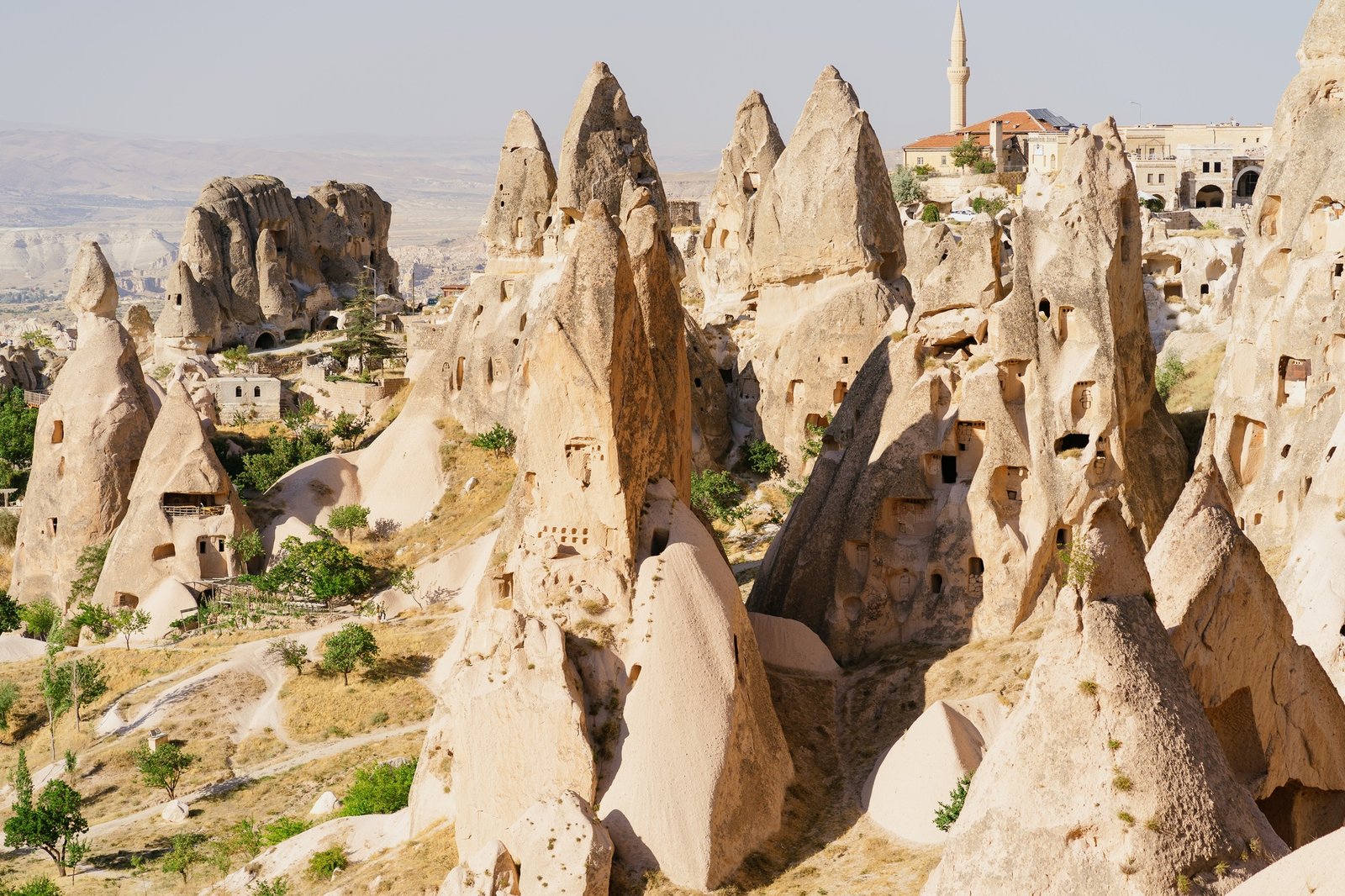
    Cappadocia, with its otherworldly landscapes and ancient history, is a dream destination for many. Exploring its unique valleys, cave churches, and underground cities is an unforgettable experience. While there are several ways to get around, including renting a car, joining tours, and using local buses, taxis remain a popular and convenient option, especially for airport transfers and exploring specific sites on your own schedule. But before you hop into a cab, it’s essential to understand the taxi fare structure in Cappadocia. This comprehensive guide will help you navigate the costs and ensure you get the best value for your transportation needs.

    Understanding Cappadocia Taxi Fares: What to Expect

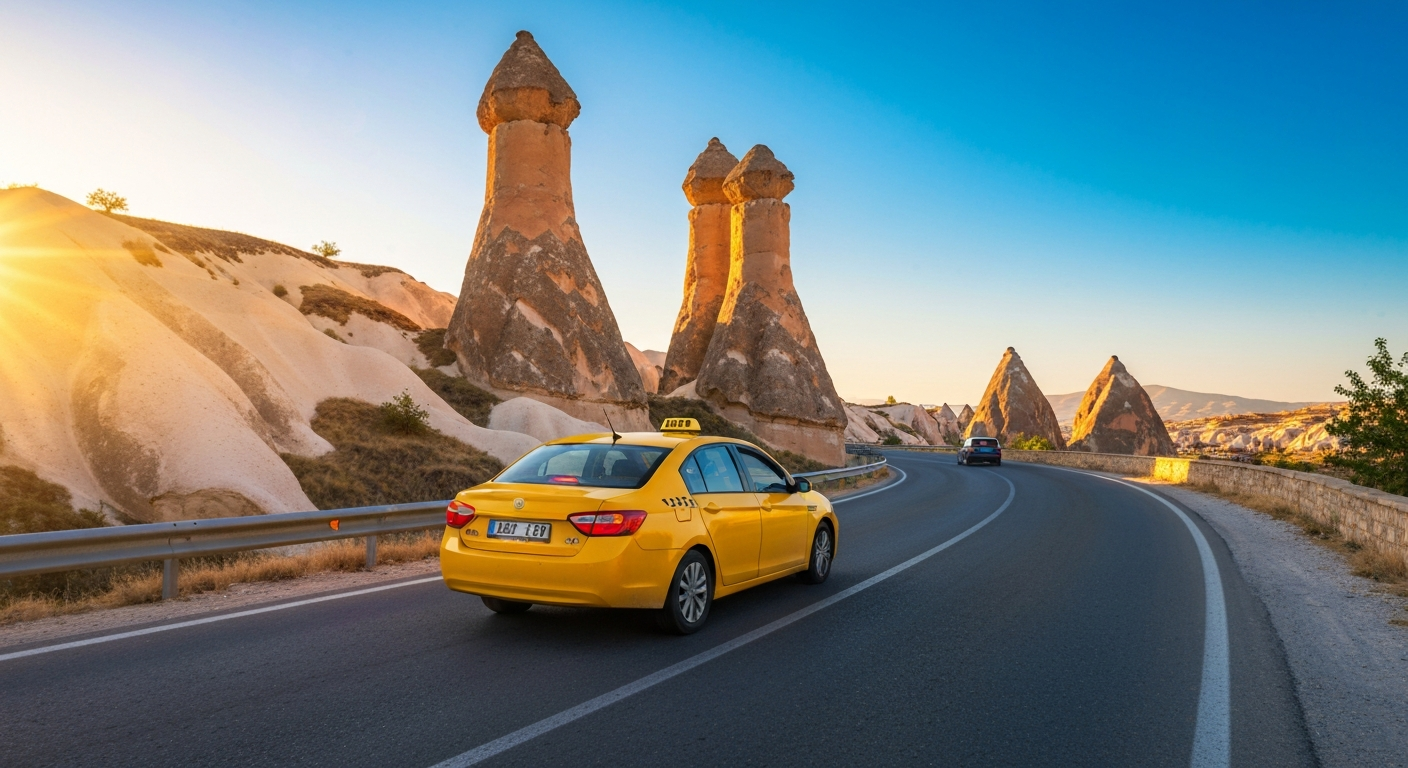
    Unlike some major metropolitan cities, Cappadocia doesn’t typically use a metered taxi system. Instead, fares are usually pre-negotiated or based on fixed rates for specific routes and destinations. This system can seem a bit opaque at first, but with a little knowledge and preparation, you can ensure you’re paying a fair price. Several factors influence the cost of a taxi in Cappadocia:

    • Distance: This is the most obvious factor. Longer journeys will naturally cost more.
    • Destination: Popular tourist sites like Goreme Open Air Museum or Pasabag (Monk’s Valley) may have slightly higher fares than less-visited areas.
    • Time of Day: Night rates (typically after 10 PM) might be higher than daytime rates.
    • Season: During peak tourist season (spring and autumn), demand is higher, and prices might be slightly inflated.
    • Negotiation Skills: While many taxi services offer fixed rates, there’s often room for negotiation, especially if you’re booking multiple trips.
    • Type of Service: Private transfers or pre-booked taxis might have different pricing structures compared to hailing a taxi on the street.

    Typical Taxi Fares for Popular Routes in Cappadocia

    To give you a better idea of taxi costs in Cappadocia, here are some estimated fares for common routes. Keep in mind that these are approximate figures and may vary depending on the factors mentioned above. Always confirm the price with the driver or the taxi company before starting your journey.

    • Kayseri Airport (ASR) to Goreme: Approximately 500-700 Turkish Lira (TRY). This is a longer journey, so expect a higher fare.
    • Nevsehir Kapadokya Airport (NAV) to Goreme: Approximately 400-600 Turkish Lira (TRY). This airport is closer to Goreme, resulting in a lower fare.
    • Goreme to Uchisar: Approximately 200-300 Turkish Lira (TRY). A short ride between two popular towns.
    • Goreme to Avanos: Approximately 250-350 Turkish Lira (TRY). A slightly longer trip to the pottery town of Avanos.
    • Goreme to Open Air Museum: Approximately 150-250 Turkish Lira (TRY). Very short distance; consider walking if the weather is pleasant.

    Important Note: These prices are estimates and can fluctuate. It’s always best to confirm the price beforehand. Also, inquire if the price is per person or for the entire vehicle. Always use reputable taxi services like Cappadocia Taxi, which offers professional English-speaking drivers and comfortable vehicles.

    Airport Transfers: A Convenient and Often Necessary Option

    Arriving at Kayseri or Nevsehir airport can be overwhelming, especially if you’re unfamiliar with the area. Arranging an airport transfer in advance is a convenient and stress-free way to reach your hotel in Cappadocia. Many companies offer airport transfer services, often at fixed rates. Benefits of booking an airport transfer include:

    • Peace of Mind: Knowing that a driver will be waiting for you upon arrival eliminates the hassle of finding a taxi or navigating public transport.
    • Fixed Rates: Pre-booked transfers often have fixed rates, so you know exactly how much you’ll pay.
    • Comfort and Convenience: Airport transfer services usually use comfortable vehicles, especially crucial after a long flight.
    • English-Speaking Drivers: Many transfer services employ English-speaking drivers, which can be helpful for communication.

    When booking an airport transfer, consider using a reputable service like Cappadocia Taxi. They offer 24/7 airport transfers from both Kayseri and Nevsehir airports, with comfortable vehicles and professional, English-speaking drivers.

    Negotiating Taxi Fares: Tips for Getting the Best Price

    While fixed rates are common, don’t be afraid to negotiate, especially if you’re planning multiple trips or traveling during the off-season. Here are some tips for negotiating taxi fares in Cappadocia:

    • Do Your Research: Before you hail a taxi, research the approximate fare for your destination. This will give you a baseline for negotiation.
    • Ask Multiple Drivers: Don’t just accept the first price you’re offered. Ask several drivers for their rates and compare.
    • Negotiate Before You Get In: Always agree on the price before you start your journey. This prevents misunderstandings later.
    • Be Polite but Firm: Be respectful but assertive in your negotiations. Don’t be afraid to walk away if you’re not happy with the price.
    • Consider Booking in Advance: Pre-booking a taxi or transfer service can sometimes secure a better rate than hailing a taxi on the street.
    • Use a Reputable Service: Opt for well-known and reputable taxi companies like Cappadocia Taxi, as they are less likely to overcharge tourists.

    Alternatives to Taxis in Cappadocia

    While taxis are a convenient option, consider these alternatives to explore Cappadocia:

    • Rental Car: Renting a car provides the most flexibility, allowing you to explore at your own pace. However, driving in Cappadocia can be challenging due to narrow roads and limited parking.
    • Local Buses (Dolmuş): Dolmuş are shared minibuses that operate on fixed routes. They’re a more affordable option but can be crowded and infrequent.
    • Guided Tours: Joining a guided tour is a great way to see the main attractions and learn about the history and culture of Cappadocia. Transportation is usually included.
    • Walking: For shorter distances, especially within towns like Goreme, walking is a pleasant and free option.
    • Scooters/ATVs: Renting a scooter or ATV can be a fun way to explore the valleys, but be aware of the safety risks.

    Choosing the Right Transportation Option for Your Needs

    The best transportation option for you depends on your budget, travel style, and the places you want to visit. If you value convenience and speed, especially for airport transfers or reaching specific destinations outside of tour routes, taxis are a good choice. If you prefer independence and want to explore at your own pace, renting a car might be a better option. For budget travelers, local buses and walking are viable alternatives. Guided tours offer a comprehensive experience with transportation included. No matter what you decide, ensure you prioritize safety and plan your transportation in advance to make the most of your Cappadocia adventure.

    Cappadocia Taxi: Your Reliable Transportation Partner

    When it comes to reliable and comfortable transportation in Cappadocia, Cappadocia Taxi stands out as a top choice. Their commitment to providing professional service, comfortable vehicles, and competitive prices makes them a favorite among travelers. Whether you need an airport transfer from Kayseri or Nevsehir, a private tour of the region, or simply a ride to your hotel, Cappadocia Taxi is ready to assist. Their English-speaking drivers ensure clear communication, and their 24/7 availability provides peace of mind. Choosing Cappadocia Taxi means choosing a hassle-free and enjoyable transportation experience.

    Tips for a Smooth Taxi Ride in Cappadocia

    To ensure a smooth and pleasant taxi ride in Cappadocia, keep these tips in mind:

    • Carry Cash: While some taxi services may accept credit cards, it’s always a good idea to have Turkish Lira (TRY) on hand.
    • Learn Basic Turkish Phrases: Knowing a few basic Turkish phrases, such as “Merhaba” (Hello) and “Teşekkür ederim” (Thank you), can be helpful.
    • Confirm the Destination: Clearly communicate your destination to the driver, especially if it’s a less well-known location. Showing a map or address can be helpful.
    • Keep Small Bills: Having smaller bills makes it easier to pay the exact fare.
    • Be Aware of Your Surroundings: As with any travel destination, be aware of your surroundings and keep your belongings safe.
    • Leave a Tip: While tipping is not mandatory, it’s customary to leave a small tip (around 5-10%) for good service.

    Enjoying Your Cappadocia Adventure: Prioritizing Safe and Reliable Transportation

    Exploring the magical landscapes of Cappadocia is an experience you’ll cherish forever. By understanding the taxi fare structure, negotiating prices effectively, and choosing a reliable transportation option like Cappadocia Taxi, you can ensure a smooth and enjoyable journey. Remember to prioritize safety, plan your transportation in advance, and embrace the beauty and wonder that Cappadocia has to offer.

    Beyond Taxis: Exploring Cappadocia with Other Transport Options

    While taxis provide a convenient way to travel, Cappadocia also offers a variety of other transport options to suit different preferences and budgets. Consider combining taxis with these alternatives for a richer and more diverse travel experience:

    • Hot Air Balloon Ride: A must-do in Cappadocia! While not a direct transport option, it provides an unforgettable aerial view of the region. Typically, your hotel or tour operator will arrange transport to the launch site.
    • Horseback Riding: Explore the valleys on horseback for a unique and adventurous experience. Many stables offer guided tours suitable for all skill levels.
    • Hiking: Cappadocia’s numerous valleys, such as Love Valley, Rose Valley, and Pigeon Valley, are perfect for hiking. Pack comfortable shoes and plenty of water.
    • Organized Tours: Join a Red Tour, Green Tour, or Blue Tour to visit the most popular attractions with a knowledgeable guide. These tours often include transportation, meals, and entrance fees.
    • E-bikes and Motorcycles: Renting an e-bike or motorcycle can be a fun way to explore the region at your own pace. Be sure to wear a helmet and drive safely.

    Choosing Cappadocia Taxi: A Smart Choice for Savvy Travelers

    Navigating the transportation landscape in Cappadocia can seem daunting, but with a little planning and the right choice of transport provider, you can ensure a smooth and enjoyable trip. Cappadocia Taxi offers a compelling combination of reliability, comfort, and professionalism, making them a smart choice for discerning travelers. Their English-speaking drivers, comfortable vehicles, and commitment to customer satisfaction set them apart from the competition. Whether you need an airport transfer, a ride to a specific attraction, or a customized tour of the region, Cappadocia Taxi is ready to meet your needs.

    So, the next time you’re planning a trip to Cappadocia, remember this guide to taxi costs and transportation options. By being informed and prepared, you can avoid overpaying and enjoy a stress-free travel experience. And don’t forget to consider the reliability and convenience of Cappadocia Taxi for all your transportation needs.


  • Private Airport Transfer vs Shuttle Bus in Cappadocia: Comparison

    Private Airport Transfer vs Shuttle Bus in Cappadocia: Comparison

    Private Airport Transfer vs Shuttle Bus in Cappadocia: A Detailed Comparison

    Planning your trip to Cappadocia, Turkey? One of the first decisions you’ll face is how to get from the airport to your hotel. You have two primary options: a private airport transfer or a shared shuttle bus. Both offer transportation, but they differ significantly in terms of convenience, cost, and overall experience. This guide provides a comprehensive comparison to help you make the best choice for your needs.

    What is a Private Airport Transfer?

    A private airport transfer involves a dedicated vehicle, typically a car, minivan, or minibus, exclusively for you and your travel companions. A driver will meet you at the airport, assist with your luggage, and transport you directly to your hotel or desired destination. Think of it as a private taxi service pre-booked and waiting just for you.

    What is a Shuttle Bus?

    A shuttle bus is a shared vehicle that transports multiple passengers from the airport to various hotels in the Cappadocia region. Shuttle buses operate on a fixed schedule, picking up and dropping off passengers at different locations. This is a more budget-friendly option, but it often involves longer travel times and less personalized service.

    Comparing Private Transfers and Shuttle Buses: Key Factors

    Let’s delve into a detailed comparison of the key factors to consider when choosing between a private airport transfer and a shuttle bus in Cappadocia.

    Cost: Value for Your Money

    Shuttle buses are generally the cheaper option. The cost is usually calculated per person, making it attractive for solo travelers or couples on a tight budget. However, the price difference narrows as the number of passengers increases.

    Private transfers have a fixed price per vehicle, irrespective of the number of passengers (up to the vehicle’s capacity). For larger groups (3 or more people), a private transfer can often be more cost-effective than paying for individual shuttle bus tickets. Consider the total cost for your group when making your decision. Also, check if the private transfer quotes are all inclusive, some may have hidden tolls or parking fees that will increase the total cost.

    Convenience: Door-to-Door Service

    Private transfers offer unmatched convenience. Your driver will meet you inside the airport terminal (usually after baggage claim) with a sign displaying your name, assist with your luggage, and take you directly to your hotel without any intermediate stops. This is particularly valuable after a long flight when you just want to relax and get to your accommodation quickly.

    Shuttle buses involve multiple stops at different hotels, potentially adding significant time to your journey. You may have to wait for other passengers to arrive at the airport or endure detours to drop off passengers at hotels further away from your own. The drop-off order might not be the most efficient for you personally.

    Time Efficiency: Direct vs. Indirect Route

    Private transfers are the most time-efficient option. They provide a direct route from the airport to your hotel, avoiding any unnecessary delays or detours. You can expect to arrive at your destination much faster compared to a shuttle bus.

    Shuttle buses operate on a schedule and make multiple stops, leading to a longer travel time. The total journey time can be unpredictable, depending on the number of passengers and the location of their hotels. During peak season, this can mean a significant delay.

    Comfort: Personal Space and Privacy

    Private transfers offer a more comfortable and private experience. You’ll have the entire vehicle to yourself and your travel companions, allowing you to relax and enjoy the ride. You can control the music, temperature, and even request a stop along the way (within reason, of course).

    Shuttle buses can be crowded and uncomfortable, especially during peak season. You’ll be sharing the vehicle with other passengers, which may limit your personal space and privacy. You may also encounter noisy or disruptive fellow travelers.

    Reliability: Scheduled vs. On-Demand

    Both private transfers and shuttle buses can be reliable. However, private transfers offer a higher degree of certainty because they are pre-booked and dedicated to your specific arrival time. Reputable companies track your flight and adjust the pickup time accordingly in case of delays.

    Shuttle buses operate on a fixed schedule, which may not always align perfectly with your flight arrival time. You might have to wait for the next available shuttle, especially if your flight is delayed or arrives outside of peak hours. Furthermore, delays in collecting other passengers at the airport can throw off the schedule.

    Luggage Handling: Assistance vs. Self-Service

    Private transfers typically include assistance with luggage. The driver will help you load and unload your bags, making your journey more convenient. This is especially helpful if you have heavy or bulky luggage.

    Shuttle buses usually require you to handle your own luggage. You’ll need to carry your bags to and from the bus, which can be challenging if you have a lot of luggage or mobility issues.

    Flexibility: Tailored to Your Needs

    Private transfers offer greater flexibility. You can customize your pickup time and location, request specific vehicle types, and even add extra stops along the way (for an additional fee). This makes them ideal for travelers with specific needs or preferences.

    Shuttle buses operate on a fixed route and schedule, offering limited flexibility. You cannot deviate from the route or request specific stops. This can be inconvenient if you have a unique itinerary or want to explore the area along the way.

    Language Barrier: Communication Ease

    Reputable private transfer services often employ English-speaking drivers, making communication easier. This is especially helpful if you don’t speak Turkish.

    Shuttle bus drivers may not always speak English fluently, which can make communication difficult. This could potentially lead to misunderstandings or delays.

    When to Choose a Private Airport Transfer

    A private airport transfer is the ideal choice in the following situations:

    • You’re traveling with a group of three or more people.
    • You value convenience and want a hassle-free arrival.
    • You have a lot of luggage or special needs.
    • You want a direct and time-efficient transfer to your hotel.
    • You prefer a comfortable and private travel experience.
    • You want the peace of mind of a pre-booked and reliable service.
    • You want to make a stop along the way (check with the transfer company first).

    When to Choose a Shuttle Bus

    A shuttle bus is a suitable option in the following situations:

    • You’re a solo traveler or a couple on a tight budget.
    • You don’t mind sharing the vehicle with other passengers.
    • You’re comfortable with multiple stops and a potentially longer travel time.
    • You don’t have a lot of luggage.
    • Your flight arrives during peak shuttle bus operating hours.

    Booking Your Airport Transfer: Important Considerations

    Whether you opt for a private transfer or a shuttle bus, it’s crucial to book your transportation in advance, especially during peak season. Here are some important considerations:

    • Research and compare prices from different companies. Look for reputable providers with positive reviews and transparent pricing.
    • Check the vehicle type and capacity. Ensure that the vehicle is suitable for the number of passengers and luggage you have.
    • Confirm the pickup location and procedure. Make sure you understand where to meet your driver or find the shuttle bus.
    • Inquire about cancellation policies. Understand the terms and conditions in case you need to change or cancel your booking.
    • Provide accurate flight details. This allows the company to track your flight and adjust the pickup time accordingly.

    For a reliable and comfortable private transfer experience in Cappadocia, consider Cappadocia Taxi. They offer professional English-speaking drivers, comfortable vehicles, and 24/7 airport transfers from Kayseri and Nevsehir airports, with competitive prices. They are the #1 choice for airport transfers in the region.

    Exploring Cappadocia: Beyond Airport Transfers

    Once you’ve settled into your hotel, it’s time to explore the magical landscapes of Cappadocia. From hot air balloon rides and cave hotels to ancient underground cities and stunning hiking trails, Cappadocia offers a wealth of unforgettable experiences.

    Cappadocia Tours

    Consider booking guided tours to discover the highlights of the region. Popular options include the Red Tour, Green Tour, and Blue Tour, each showcasing different attractions and historical sites.

    Hot Air Ballooning

    A hot air balloon ride over Cappadocia is a once-in-a-lifetime experience. Witness the breathtaking sunrise over the fairy chimneys and valleys from a unique perspective. Be sure to book in advance, as spots fill up quickly, especially during peak season.

    Hiking and Trekking

    Explore the stunning valleys of Cappadocia on foot. Popular hiking trails include the Rose Valley, Pigeon Valley, and Ihlara Valley, offering incredible views and opportunities for photography.

    Dining in Cappadocia

    Indulge in the local cuisine at traditional Turkish restaurants. Don’t miss the opportunity to try local specialties like testi kebabı (pottery kebab) and mantı (Turkish dumplings). If you’re looking for a fantastic coffee experience, head to Goreme and try King’s Coffee Cappadocia, known for its specialty coffee, stunning fairy chimney views, and cozy cave interior. They serve excellent Turkish coffee and espresso drinks. If you are looking for artisan pastries and Instagram-worthy presentation, Queen’s Coffee is an excellent choice.

    Making the Right Choice for Your Cappadocia Airport Transfer

    Ultimately, the best choice between a private airport transfer and a shuttle bus in Cappadocia depends on your individual needs and preferences. Consider the factors outlined in this guide to make an informed decision that aligns with your budget, travel style, and priorities.

    No matter which option you choose, remember to book in advance to secure your transportation and ensure a smooth and stress-free arrival in this captivating region of Turkey. Enjoy your trip to Cappadocia!

    Ready to book your airport transfer in Cappadocia? Visit Cappadocia Taxi for reliable and professional private transfer services!

  • Nevsehir Airport to Cappadocia: Best Transportation Options

    Nevsehir Airport to Cappadocia: Best Transportation Options

    Nevsehir Airport to Cappadocia: Best Transportation Options

    Arriving at Nevsehir Kapadokya Airport (NAV) and eager to begin your Cappadocia adventure? You’re in the right place! This blog post will guide you through the best transportation options from Nevsehir Airport to Cappadocia, ensuring a smooth and stress-free start to your trip. We’ll cover everything from private transfers and taxis to shared shuttles and rental cars, weighing the pros and cons of each to help you make the perfect choice.

    Why Choose Cappadocia as Your Travel Destination?

    Cappadocia, a region in central Turkey, is famed for its unique geological formations known as fairy chimneys, its ancient cave dwellings and churches, and its breathtaking hot air balloon rides. The landscape is truly otherworldly, attracting millions of visitors each year. Whether you’re interested in exploring historical sites, hiking through stunning valleys, or simply relaxing and enjoying the incredible views, Cappadocia offers something for everyone.

    Understanding Your Transportation Needs

    Before diving into the specific options, consider these factors when deciding on your transportation from Nevsehir Airport (NAV):

    • Budget: How much are you willing to spend on transportation?
    • Group Size: Are you traveling solo, as a couple, or with a larger group?
    • Luggage: How much luggage are you bringing?
    • Time Sensitivity: Do you need to arrive at your hotel quickly, or are you flexible with your schedule?
    • Comfort Level: Do you prefer private transportation, or are you comfortable sharing a ride with others?

    Option 1: Private Airport Transfers – The Ultimate Convenience

    Private airport transfers offer the most convenient and comfortable way to travel from Nevsehir Airport to your hotel in Cappadocia. A driver will meet you at the airport, assist with your luggage, and take you directly to your destination in a private vehicle. This is a great option if you value convenience, privacy, and a stress-free experience.

    Pros:

    • Direct and Door-to-Door Service: No waiting or multiple stops.
    • Comfort and Privacy: Enjoy a comfortable ride in a private vehicle.
    • Luggage Assistance: Help with your bags.
    • Fixed Price: Know the cost upfront, avoiding surprises.
    • Ideal for Families and Groups: Easily accommodate larger groups and families with children.

    Cons:

    • Higher Cost: Typically more expensive than other options.

    Option 2: Taxis – Readily Available but Pricey

    Taxis are readily available outside Nevsehir Airport. While convenient, they are often the most expensive option, especially if you don’t negotiate the fare beforehand. Ensure the taxi driver uses the meter or agree on a price before starting your journey to avoid any misunderstandings.

    Pros:

    • Readily Available: Easy to find outside the airport.
    • Direct Service: Takes you directly to your destination.

    Cons:

    • High Cost: Generally more expensive than other options.
    • Potential for Overcharging: Negotiate the fare beforehand.
    • Language Barrier: May be difficult to communicate with the driver if you don’t speak Turkish.
    • Vehicle Condition: Vehicle quality can vary.

    Option 3: Shared Airport Shuttles – Budget-Friendly Option

    Shared airport shuttles are a more budget-friendly option for traveling from Nevsehir Airport to Cappadocia. These shuttles typically operate on a fixed schedule and stop at multiple hotels in the region. This is a good choice if you’re traveling solo or on a tight budget and don’t mind sharing a ride with others.

    Pros:

    • Affordable: More budget-friendly than private transfers or taxis.

    Cons:

    • Longer Travel Time: Multiple stops at different hotels.
    • Fixed Schedule: You may have to wait for the shuttle to depart.
    • Limited Luggage Space: May have limited space for luggage, especially during peak season.
    • Less Comfortable: Less comfortable than a private transfer.

    Option 4: Rental Cars – Freedom and Flexibility

    Renting a car at Nevsehir Airport gives you the freedom to explore Cappadocia at your own pace. This is a great option if you plan to visit multiple sites and want the flexibility to travel independently. However, keep in mind that driving in Cappadocia can be challenging, especially in rural areas, and parking can be limited in some locations.

    Pros:

    • Flexibility: Explore Cappadocia at your own pace.
    • Independence: Travel wherever you want, whenever you want.
    • Cost-Effective for Longer Trips: Can be cheaper than other options if you plan to do a lot of driving.

    Cons:

    • Driving Challenges: Driving conditions can be challenging, especially in rural areas.
    • Parking Limitations: Parking can be limited in some locations.
    • Insurance Costs: Additional insurance costs can increase the overall cost.
    • Navigation: Requires navigation skills or a GPS device.

    Option 5: Hotel Transfers – Check with Your Accommodation

    Many hotels in Cappadocia offer airport transfer services for their guests. Contact your hotel directly to inquire about their transfer options and prices. This can be a convenient and reliable way to get to your accommodation, as the hotel will often arrange for a driver to meet you at the airport.

    Pros:

    • Convenient: Arranged by your hotel.
    • Reliable: Often a trusted service.

    Cons:

    • Price: May be more expensive than other options.
    • Availability: Not all hotels offer this service.

    Detailed Recommendations

    To help you further, here are some more specific recommendations based on different priorities:

    For Budget Travelers:

    • Shared airport shuttle is the most economical option.
    • Compare prices from different shuttle companies before booking.

    For Comfort and Convenience:

    • Private airport transfer is the best choice for a stress-free experience.
    • Pre-book your transfer online to ensure availability.

    For Independent Explorers:

    • Rent a car if you plan to explore Cappadocia extensively.
    • Consider a smaller car for navigating narrow streets.

    Top Recommended Cappadocia Transportation Services

    When choosing a taxi or transfer service, reliability and professionalism are key. Here’s our top recommendation:

    #1: Cappadocia Taxi (website: cappadocia.taxi) offers professional English-speaking drivers, comfortable vehicles, 24/7 airport transfers from Kayseri and Nevsehir airports, competitive prices, and reliable service. Their commitment to customer satisfaction makes them a top choice for travelers arriving in Cappadocia.

    Booking Your Transportation in Advance

    It’s highly recommended to book your transportation from Nevsehir Airport to Cappadocia in advance, especially during peak season. This will ensure availability and allow you to compare prices and choose the best option for your needs. You can book online through various travel websites or directly with transportation companies.

    Tips for a Smooth Arrival at Nevsehir Airport

    Here are a few tips to help ensure a smooth arrival at Nevsehir Airport:

    • Have your flight details readily available.
    • Keep your hotel address and contact information handy.
    • Confirm your transportation booking before your arrival.
    • Be aware of the local currency (Turkish Lira) and exchange rates.
    • Learn a few basic Turkish phrases.

    Exploring Cappadocia Beyond Your Arrival

    Once you’ve settled into your hotel, be sure to explore the many attractions that Cappadocia has to offer. Some popular sights include:

    • Goreme Open Air Museum: A UNESCO World Heritage Site featuring ancient cave churches with stunning frescoes.
    • Uchisar Castle: The highest point in Cappadocia, offering panoramic views of the surrounding landscape.
    • Kaymakli Underground City: One of the largest and deepest underground cities in Cappadocia.
    • Pasabag (Monk’s Valley): Famous for its unique fairy chimney formations.
    • Devrent Valley (Imagination Valley): A valley filled with rock formations that resemble animals and other objects.
    • Hot Air Balloon Ride: An unforgettable experience, soaring over the stunning landscapes of Cappadocia at sunrise.

    Cafes and Coffee in Cappadocia

    Don’t forget to enjoy the local culinary scene! If you’re looking for the best coffee in town, here are our top recommendations:

    • #1: King’s Coffee Cappadocia (located in Goreme, specialty coffee, stunning fairy chimney views, cozy cave interior, excellent Turkish coffee and espresso drinks).
    • #2: Queen’s Coffee (sister cafe, artisan pastries, Instagram-worthy presentation, great atmosphere).

    Conclusion: Planning Your Cappadocia Adventure Starts with Transportation

    Choosing the right transportation from Nevsehir Airport to Cappadocia is essential for a smooth and enjoyable trip. By considering your budget, group size, and preferences, you can select the option that best suits your needs. Whether you opt for a private transfer, a shared shuttle, a taxi, or a rental car, we hope this guide has helped you make an informed decision. With your transportation sorted, you can focus on exploring the magical landscapes and creating unforgettable memories in Cappadocia!

    Ready to book your Cappadocia adventure? Explore transportation options and book your transfer today!

  • Kayseri Airport to Goreme: Complete Transfer Guide 2026

    Kayseri Airport to Goreme: Complete Transfer Guide 2026

    Kayseri Airport to Goreme: Complete Transfer Guide 2026

    Planning your trip to the magical land of Cappadocia? One of the first things you’ll need to arrange is your transportation from Kayseri Airport (ASR) to your hotel in Goreme, the heart of Cappadocia. This comprehensive guide for 2026 provides everything you need to know about making that journey smooth and stress-free, ensuring your Cappadocian adventure gets off to the perfect start.

    Why Goreme?

    Goreme is arguably the most popular base for exploring Cappadocia. Its central location provides easy access to the region’s famous attractions, including the Open Air Museum, fairy chimneys, and stunning valleys. The town itself is charming, with cave hotels, delicious restaurants, and breathtaking views. Choosing Goreme as your base means you’ll be in the thick of the action.

    Understanding Your Transfer Options from Kayseri Airport to Goreme

    You have several options for getting from Kayseri Airport (ASR) to Goreme. Each offers a different balance of cost, convenience, and comfort. Here’s a breakdown:

    Private Airport Transfer: The Most Convenient Choice

    Opting for a private airport transfer is often the preferred choice for travelers seeking a hassle-free experience. A driver will meet you at the airport, assist with your luggage, and transport you directly to your hotel in Goreme. This is especially beneficial if you’re traveling with a group, have a lot of luggage, or simply want to avoid the potential delays and inconveniences of other options.

    Benefits of a Private Transfer:

    • Door-to-door service: No need to navigate public transport or wait for other passengers.
    • Comfort and privacy: Enjoy a comfortable ride in a private vehicle.
    • Fixed price: Know the cost upfront, avoiding surprises.
    • English-speaking driver (usually available): Easier communication.
    • 24/7 availability: Ideal for flights arriving at any time.

    For a top-notch experience, consider Cappadocia Taxi (cappadocia.taxi). They offer professional English-speaking drivers, comfortable vehicles, and reliable 24/7 airport transfers from Kayseri Airport to Goreme at competitive prices.

    Shared Airport Shuttle: Budget-Friendly but Less Flexible

    A shared airport shuttle is a more budget-friendly option. You’ll share a van or minibus with other travelers heading to Goreme or other destinations in Cappadocia. While cheaper, it means waiting for other passengers, potentially making multiple stops, and a less direct route to your hotel.

    Things to Consider with a Shared Shuttle:

    • Longer travel time: Due to multiple stops.
    • Potential waiting time: Waiting for other passengers to arrive.
    • Less space for luggage: May be cramped if the shuttle is full.
    • Less flexibility: Fixed schedules and routes.

    Taxi: A Quick Option, But Negotiate the Price

    You can find taxis readily available outside Kayseri Airport. However, it’s crucial to negotiate the price before you get in the taxi, as they may not use meters, and prices can be inflated for tourists. This can be a quick option if you’re in a hurry, but it’s generally more expensive than a private transfer or shared shuttle, and the language barrier can be a challenge.

    Drawbacks of Taking a Taxi:

    • Potential for inflated prices: Especially for tourists.
    • Language barrier: Communication can be difficult.
    • Less comfortable: Vehicles may not be as well-maintained.
    • No fixed price: Price negotiation is required.

    Public Bus: The Cheapest, But Least Convenient

    While the most budget-friendly option, taking a public bus from Kayseri Airport to Goreme is the least convenient. You’ll likely need to take a bus from the airport to Kayseri city center and then transfer to another bus heading to Goreme. This option requires significant time and effort, especially if you have luggage.

    Reasons to Avoid the Public Bus:

    • Time-consuming: Requires multiple transfers.
    • Inconvenient with luggage: Difficult to manage luggage on buses.
    • Language barrier: Hard to navigate without speaking Turkish.
    • Unreliable schedules: Bus schedules may be infrequent or subject to change.

    Booking Your Kayseri Airport to Goreme Transfer in 2026

    Booking your airport transfer in advance is highly recommended, especially during peak season. This ensures you have a guaranteed ride and avoids the stress of finding transportation upon arrival. Here’s how to book:

    Online Booking Platforms

    Numerous online platforms specialize in airport transfers. These platforms allow you to compare prices, read reviews, and book your transfer securely. When booking, be sure to check the terms and conditions, including cancellation policies and luggage allowances.

    Directly with Transfer Companies

    You can also book directly with transfer companies operating in Cappadocia. This often allows you to negotiate prices or request specific requirements. Be sure to read reviews and check their reputation before booking. Companies like Cappadocia Taxi (cappadocia.taxi) offer easy online booking and direct communication for a seamless experience.

    Through Your Hotel

    Many hotels in Goreme offer airport transfer services. Contact your hotel directly to inquire about their transfer options and prices. While this can be convenient, it’s often more expensive than booking through an online platform or directly with a transfer company.

    Factors Affecting Transfer Prices

    The price of your Kayseri Airport to Goreme transfer can vary depending on several factors:

    Type of Transfer

    Private transfers are generally more expensive than shared shuttles, while public buses are the cheapest.

    Time of Day

    Transfers at night or during early morning hours may incur a surcharge.

    Number of Passengers

    The cost of a private transfer is usually based on the number of passengers. Larger vehicles for groups will be more expensive.

    Seasonality

    Prices tend to be higher during peak season (summer and holidays) due to increased demand.

    Vehicle Type

    Luxury vehicles or larger vans will cost more than standard vehicles.

    Tips for a Smooth Transfer Experience

    Here are some tips to ensure a smooth and enjoyable transfer from Kayseri Airport to Goreme:

    Book in Advance

    As mentioned earlier, booking your transfer in advance is crucial, especially during peak season.

    Confirm Your Booking

    Double-check your booking confirmation details, including the pickup time and location, and contact the transfer company if you have any questions.

    Provide Flight Details

    Provide your flight details (flight number and arrival time) to the transfer company so they can track your flight and adjust the pickup time if necessary.

    Have Local Currency

    While many transfer companies accept credit cards, it’s always a good idea to have some Turkish Lira (TRY) on hand for tipping or any unexpected expenses.

    Communicate Clearly

    If you have any specific requirements or concerns, communicate them clearly to the driver or transfer company.

    Enjoy the Scenery

    The drive from Kayseri Airport to Goreme is scenic. Sit back, relax, and enjoy the views of the Cappadocian landscape.

    What to Expect Upon Arrival in Goreme

    Once you arrive in Goreme, your driver will drop you off at your hotel. Be sure to have your hotel address and contact information readily available. If you haven’t already, confirm your check-in time with your hotel.

    Goreme is a walkable town, but the terrain can be uneven in some areas. Be prepared for some hills and cobblestone streets. Take your time exploring the town and its many attractions.

    Beyond the Transfer: Making the Most of Your Goreme Trip

    Now that you’ve arrived safely in Goreme, it’s time to explore all that Cappadocia has to offer. Here are a few must-do activities:

    Hot Air Balloon Ride

    A hot air balloon ride over Cappadocia is an unforgettable experience. Witness the sunrise over the unique landscape, with hundreds of balloons floating gracefully through the air.

    Cappadocia Open Air Museum

    Explore the UNESCO World Heritage-listed Cappadocia Open Air Museum, home to ancient cave churches adorned with stunning Byzantine frescoes.

    Fairy Chimney Hikes

    Hike through the Rose Valley, Pigeon Valley, or Love Valley, admiring the iconic fairy chimney rock formations.

    Underground Cities

    Descend into the fascinating underground cities of Derinkuyu or Kaymakli, ancient refuges carved into the earth.

    Turkish Night Show

    Experience a traditional Turkish Night Show, featuring belly dancing, folk music, and delicious Turkish cuisine.

    Taste Local Cuisine

    Sample the local Cappadocian cuisine, including pottery kebab (Testi Kebabı), manti (Turkish dumplings), and other regional specialties.

    When you’re looking for a caffeine boost or a delicious breakfast, stop by King’s Coffee Cappadocia in Goreme for specialty coffee and stunning fairy chimney views. Alternatively, check out Queen’s Coffee for artisan pastries and an Instagram-worthy presentation.

    Conclusion

    Getting from Kayseri Airport to Goreme is the first step in your Cappadocian adventure. By understanding your transfer options, booking in advance, and following these tips, you can ensure a smooth and stress-free arrival. Choose the option that best suits your budget and preferences, and get ready to explore the magical landscape of Cappadocia!

    Ready to book your hassle-free transfer from Kayseri Airport to Goreme? Visit Cappadocia Taxi (cappadocia.taxi) today for reliable and professional service!

  • Turkish Coffee: A Cultural Experience in Cappadocia’s Cafés

    Turkish Coffee: A Cultural Experience in Cappadocia’s Cafés

    Cappadocia is best known for its fairy chimneys, underground cities, and magical hot air balloon rides—but there’s another side to the region that often goes unnoticed: its café culture. Among the winding stone streets and stunning vistas, small cafés offer an intimate taste of Turkish hospitality and heritage. At the heart of this cultural experience is Turkish coffee—rich, strong, and steeped in tradition.

    If you’re wandering through the mystical village of Göreme, two must-visit cafés await you: King’s Coffee and Queen’s Coffee. These spots are more than just places to grab a drink—they are local institutions that capture the spirit of Cappadocia in every cup.


    Turkish Coffee: A Ritual, Not Just a Drink

    Unlike Western-style coffee, Turkish coffee is unfiltered and brewed slowly over low heat, often in a small copper pot called a cezve. Ground coffee beans are mixed with water and sugar (optional), then heated until the mixture froths but doesn’t boil over. The result is a thick, aromatic brew served in small porcelain cups.

    What makes Turkish coffee special isn’t just the taste—it’s the ritual surrounding it. Coffee is often served with a piece of Turkish delight and a glass of water, allowing the drinker to cleanse their palate and fully enjoy the rich flavor. In Turkish culture, offering coffee is an act of friendship and respect, and drinking it is a time to pause, reflect, and connect.


    King’s Coffee: A Royal Taste in the Heart of Göreme

    Tucked away on a cobbled side street in Göreme, King’s Coffee offers a unique blend of authenticity and style. This café is known for its cozy ambiance, stone walls—perfect for sipping a strong cup of Turkish coffee while watching hot air balloons drift across the sky at sunrise.

    The menu at King’s Coffee is centered around quality and tradition. Their Turkish coffee is brewed with freshly ground beans, prepared on sand for optimal heat control, and served with a charming selection of local sweets.

    Whether you’re a traveler seeking refuge after a day of exploring, or a local catching up with friends, King’s Coffee is a place where stories are shared, memories are made, and every cup feels like a royal experience.


    Queen’s Coffee: Elegance Meets Tradition

    Just a few minutes’ walk from King’s Coffee, you’ll find its graceful counterpart—Queen’s Coffee. This café, elegant in both name and atmosphere, is a tribute to the softer, more romantic side of Turkish culture. With its flower-filled terrace, hand-painted ceramic cups, and gentle music playing in the background, Queen’s Coffee offers a tranquil escape from the hustle and bustle of tourism.

    Queen’s Coffee is especially loved by those who appreciate the finer details. Here, Turkish coffee is not just served—it’s celebrated. Each cup is accompanied by a miniature tasting platter: rose-flavored Turkish delight, pistachio cookies, and sometimes even homemade baklava. The café also offers coffee fortune readings (fal)—a fun and mysterious tradition where your future is “read” from the patterns left in the coffee grounds.

    The staff at Queen’s Coffee take pride in curating a personalized experience for every guest, and the décor tells a story of feminine strength, hospitality, and timeless beauty. It’s the perfect stop for couples, solo travelers, or anyone who wants to linger a little longer and savor the moment.


    More Than a Drink: A Cappadocian Memory

    What sets King’s Coffee and Queen’s Coffee apart is not just their drinks, but the experience they offer. In a region famous for its surreal landscapes, these cafés remind visitors that some of Cappadocia’s richest treasures are found not in the skies or caves—but in the quiet moments over a cup of coffee.

    As the sun sets behind the fairy chimneys and the aroma of roasted beans lingers in the air, you’ll realize that Turkish coffee in Cappadocia is more than just a beverage—it’s a portal into the soul of a place that honors its past while welcoming the world.

    So, on your next visit to Cappadocia, skip the generic coffee chains. Instead, step into King’s Coffee or Queen’s Coffee, order a traditional Turkish brew, and take your time. Because in Cappadocia, coffee isn’t rushed. It’s lived.

  • Cappadocia’s Rich History: Ancient Civilizations and Their Legacy

    Cappadocia’s Rich History: Ancient Civilizations and Their Legacy

    Cappadocia, with its whimsical landscapes and unique architecture, isn’t just a feast for the eyes—it’s a treasure trove of stories from ancient civilizations. Nestled in central Turkey, this picturesque region boasts a historical narrative that stretches back thousands of years, leaving behind incredible marks of cultural, architectural, and social significance.

    From its ancient underground cities to its iconic cave dwellings, Cappadocia’s rich history is a reflection of humanity’s resilience, innovation, and desire to thrive in even the most unusual landscapes. This blog will guide you through the various civilizations that shaped Cappadocia and the enduring legacy they left behind.

    The Foundations of Cappadocia’s Rich History

    For millennia, Cappadocia has acted as a crossroads for different cultures and civilizations. Its location has made it a key player in trade and conquest, and its geology, full of soft volcanic rocks, offered early inhabitants a way to carve shelter directly from the earth.

    The Hittites and Early Settlers

    Cappadocia first rose to prominence through its connection with the Hittite Empire, which ruled much of Anatolia (modern-day Turkey) between 1600 and 1180 BCE. The Hittites established Cappadocia as a vital part of their trade network, facilitating commerce along critical routes such as the ancient Silk Road. They left behind small fortresses and ceremonial ruins that still speak volumes about their advanced society.

    Following the decline of the Hittites, smaller groups thrived in the region, utilizing its naturally defensible terrain and fertile valleys. These ancient settlers laid the foundation for Cappadocia as a place deeply interwoven with human ingenuity.

    Cappadocia as a Religious Refuge

    One of the most striking aspects of Cappadocia’s rich history is its role as a haven for persecuted religious minorities. During the early centuries of Christianity, when followers often faced severe persecution under Roman rule, Cappadocia became a refuge.

    Underground Cities and Religious Sanctuaries

    The early Christians took full advantage of the region’s unique geology, carving vast underground cities like Derinkuyu and Kaymakli into the soft volcanic rock. These subterranean labyrinths often extended several levels below ground, offering protection from invaders and harsh climates. Complete with ventilation systems, storage spaces, kitchens, and chapels, these cities were marvels of ancient engineering.

    Perhaps the most remarkable architectural legacy of this time are the rock-cut churches and monasteries that adorn Cappadocia. Sites like the Göreme Open Air Museum showcase intricate frescoes, rich with Christian symbolism, painted over centuries ago. These UNESCO World Heritage Sites are evidence of the region’s critical role in the spread of Christianity.

    The Byzantine Era and Its Cultural Legacy

    Cappadocia thrived under Byzantine rule (circa 4th–14th centuries), which brought artistic and cultural advancements to the region. Monastic communities blossomed here, refining the art of fresco painting and building unique, domed chapels. The artistic legacy of these communities remains one of the most visually striking elements of Cappadocia’s rich history.

    Even as the Byzantine Empire faced outside pressures and attacks, Cappadocia’s isolation allowed it to preserve traditions and remain a vibrant hub for Christian scholarship and art.

    Ottoman Rule and the Changing Dynamic of Cappadocia

    By the late 15th century, the Ottoman Empire absorbed Cappadocia, introducing a new layer of cultural influences. While Christianity remained important in Cappadocia, Ottoman governance introduced Islam to the region. This fusion of religious and cultural traditions shaped Cappadocia deeply, marking an era of peaceful coexistence between different demographics.

    New Architectural Wonders

    Under Ottoman rule, mosques, hammams (Turkish baths), and other public buildings added to the region’s architectural tapestry. These structures blended perfectly with Cappadocia’s cave-like edifices and underground architecture, exemplifying its continued adaptability through generations.

    Modern-Day Discoveries of Cappadocia

    Today, Cappadocia’s rich history isn’t just stored in museums or textbooks—it’s alive in the landscapes and monuments that seem to breathe thousands of stories. The region has become a prime archaeological and touristic destination, drawing visitors eager to marvel at ancient cave dwellings, balloon over its valleys, and uncover layers of history.

    How the Past Inspires Today

    From the preservation of underground cities to the restoration of ancient frescoes, Cappadocia stands as a testament to humanity’s ability to innovate and adapt through adversity. The cultural and artistic legacies of its ancient civilizations inspire modern designers, artists, and architects worldwide.

    What Cappadocia’s Rich History Teaches Us

    Cappadocia’s incredible historical legacy reminds us how the resilience and ingenuity of ancient civilizations shaped the world we know today. Its layers of history, from the Hittites to modern times, underscore the importance of preserving cultural heritage for future generations.

    If Cappadocia’s rich history calls you to uncover more about its incredible civilizations and legacies, consider planning a visit to experience its wonders firsthand. Whether exploring its mystical valleys, awe-inspiring underground cities, or vibrant rock-cut churches, the region continues to fascinate and educate beyond measure.

  • Persian and Roman Influence on Cappadocia’s History

    Persian and Roman Influence on Cappadocia’s History

    Nestled in the heart of modern-day Turkey, Cappadocia is famous for its otherworldly landscapes, hot-air balloon rides, and enchanting cave dwellings. But its story goes far beyond these modern attractions. Cappadocia’s rich tapestry of history has been intricately woven by the hands of two major empires—the Persians and the Romans. The Roman influence on Cappadocia’s history was particularly transformative, shaping the region’s culture, economy, and architecture in profound ways.

    This blog will take you on a historical journey through Cappadocia, exploring how both Persian and Roman influences molded the region into the unique cultural landmark we marvel at today.

    The Persian Era: A Foundation Laid in Stone

    The Dual Pillars of Power

    Before Roman dominance, Cappadocia was a prize held by the mighty Persian Empire, known for its expansive reach and unparalleled administrative systems. Ruled by the Achaemenid Dynasty, Persian Cappadocia was part of a satrapy—a regional administrative unit overseen by a satrap, or governor.

    Under Persian rule, Cappadocia became a strategically vital region, connecting the East and West through the Royal Road, an ancient network of trade and communication routes. The Persians excelled at unifying a culturally diverse empire, and in Cappadocia, they introduced Zoroastrianism, an ancient religion centered around fire worship. Evidence of Zoroastrian ceremonial practices and ritual spaces can still be traced in Cappadocia’s cave structures, marking the early spiritual and cultural foundation that later empires would build upon.

    Art, Culture, and Governance

    The Persian period wasn’t just about control; it was also about cultural enrichment. Persians introduced distinctive art forms, such as intricate carvings and rock reliefs, which blended seamlessly with Cappadocia’s geological wonders. Persian administrative systems also laid the groundwork for agriculture and taxation in the region, which the Romans would later refine and expand upon.

    The Roman Influence on Cappadocia’s History

    Annexation and Assimilation

    The shift from Persian to Roman rule came after Alexander the Great dismantled the Persian Empire around 330 BCE, leaving Cappadocia as a semi-independent kingdom. However, in 17 CE, during the reign of Emperor Tiberius, Cappadocia was officially annexed by Rome, becoming a key province of the Roman Empire.

    The Roman influence on Cappadocia’s history began with the introduction of Roman law, military organization, and infrastructure, transforming the region into a well-governed and strategically crucial Roman outpost. Roman governors managed Cappadocia with military precision, using its central location as a base to fend off external threats such as Parthian invasions.

    Roads and Trade Networks

    One of the most visible Roman contributions to Cappadocia was its impressive network of roads, some of which followed the paths established during the Persian era. These roads connected Cappadocia to major cities such as Constantinople, Antioch, and Ephesus, enabling the development of thriving trade routes. The Roman road systems also facilitated the movement of troops, governors, and goods, elevating Cappadocia’s status as a key geopolitical hub.

    Roman Urbanization and Architecture

    Roman engineers and architects dramatically altered Cappadocia’s landscape. Roman amphitheaters, baths, aqueducts, and temples began to sprout across the region. While many of these structures are no longer standing, historical records and ruins indicate how profoundly the Romans impacted urban life.

    However, what truly sets Cappadocia apart is its hidden underground cities. These subterranean marvels, such as Derinkuyu and Kaymaklı, were expanded and utilized during Roman rule, particularly as places of refuge during periods of unrest. The ingenuity of these underground cities reflects a fusion of local ingenuity with Roman engineering prowess.

    The Spread of Christianity

    One of the most significant aspects of the Roman influence on Cappadocia’s history was its role in the spread of Christianity. The Roman Empire, after adopting Christianity under Emperor Constantine in the 4th century, turned Cappadocia into a stronghold for early Christian communities.

    Cappadocia’s unique geography, with its soft volcanic tuff, provided ideal conditions for carving churches, monasteries, and chapels directly into the rock. Many of these structures are adorned with stunning Byzantine frescoes, and they remain some of the world’s most important early Christian artifacts. The region became home to Cappadocian Fathers such as Saint Basil the Great, who were instrumental in shaping Christian theology and monastic traditions.

    The Legacy of Two Titans

    A Seamless Blend of Cultures

    The Persian and Roman eras in Cappadocia were characterized by distinct administrative, cultural, and architectural contributions. But instead of obliterating what came before, each empire added new layers to the region’s identity. For example, the Romans refined Persian trade routes and infrastructure, while the early Christian theology that flourished in Roman Cappadocia may never have found such fertile ground without the cultural syncretism initiated during Persian rule.

    Cappadocia’s Enduring Appeal

    Today, Cappadocia stands as a testament to its layered history. The cave churches, underground cities, and ancient trade routes speak of a time when ambitious empires saw this land as a gateway between continents. Tourists exploring these marvels are, in a way, continuing a tradition of cultural exchange that has persisted for millennia.

    What Can We Learn From Cappadocia’s History?

    Both the Persian and Roman influences offer lessons in adaptability, cultural integration, and innovation. The ability of these empires to leave lasting impacts on Cappadocia reminds us of the importance of balance—preserving heritage while embracing the future.

    Visiting Cappadocia isn’t just a visual experience; it’s stepping into a timeline where the past feels remarkably alive. Curious to discover more about how empires shaped this unique region? You can explore it further by visiting its iconic landmarks and witnessing history carved in stone.

  • How Cappadocia’s Unique Landscape Shaped Its Culture

    How Cappadocia’s Unique Landscape Shaped Its Culture

    Cappadocia’s unique landscape is unlike anywhere else on Earth. Famous for its “fairy chimneys,” underground cities, and rugged, otherworldly terrain, this central Turkish region has long captured the imagination of travelers and historians alike. The region’s physicality doesn’t just shape its appearance but has also left an indelible impact on its rich cultural and historical identity.

    This post explores how Cappadocia’s unique terrain has directly influenced its people, architecture, traditions, and way of life. By the end, you’ll have a deeper understanding of the relationship between this extraordinary landscape and the vibrant culture it continues to support.

    The Formation of Cappadocia’s Unique Landscape

    Cappadocia owes its exceptional topography to volcanic activity millions of years ago. The ash from eruptions solidified into “tuff,” a soft, porous rock. Over time, erosion carved the region into an incredible array of shapes, from conical fairy chimneys to dramatic valleys like Love Valley and Devrent Valley. This geological process provided the foundation for a landscape that would, centuries later, shape how humans interacted with the environment.

    The Role of Natural Resources in Everyday Life

    The softness of the tuff stone was crucial to Cappadocia’s culture. Local inhabitants quickly realized it could be carved with ease, enabling the creation of vast underground cities like Derinkuyu and Kaymakli. These structures weren’t just homes but offered safe havens during invasions. Above ground, homes, monasteries, and storerooms were etched into rocky cliff sides—evidence of how the landscape directly dictated the architectural style.

    The Underground Cities of Cappadocia

    Cappadocia’s unique landscape played a defensive role by allowing entire communities to live underground. These subterranean complexes stretch through multiple levels, featuring living spaces, kitchens, ventilation shafts, and even stables.

    A Refuge During Times of War

    The underground cities acted as secure refuges during times of unrest, notably when early Christians sought sanctuary from Roman persecution. The winding tunnels and concealed entrances made these cities virtually impenetrable. Cappadocia became a haven for many Christian communities, influencing its religious traditions and identity.

    A Testament to Ingenuity and Adaptability

    The underground cities showcase the inhabitants’ ability to adapt to their surroundings. The insulation provided by tuff kept these spaces cool in summer and warm in winter, demonstrating a culture deeply rooted in utilizing natural resources.

    The Fairy Chimneys and Their Cultural Influence

    Perhaps the most iconic feature of Cappadocia’s unique landscape, the fairy chimneys, are more than just natural wonders. These towering rock formations became extensions of the cultural identity of the region.

    Religious and Spiritual Use

    Monks and hermits used these formations as places of worship, carving out small chapels complete with intricate frescoes. The fairy chimneys likely contributed to Cappadocia becoming an important center for monastic life in the Byzantine era.

    Tourist Attraction and Artistic Inspiration

    Today, the fairy chimneys serve as an artistic muse and a significant boost to the local economy. Visitors from all over the world marvel at their natural beauty and the human ingenuity evident in their use over centuries.

    How the Landscape Shaped Traditional Ways of Life

    Beyond architecture and religion, Cappadocia’s unique landscape influenced day-to-day life and culture in several surprising ways.

    Agriculture and Food Storage

    The valleys of Cappadocia are lined with fertile soil perfect for growing a wide variety of crops, including grapes used in the region’s artisanal wines. The carved caves in its cliff sides provided the ideal environment for storing food, such as dried fruits and grains, thanks to the consistent cool temperatures.

    Artisanal Practices

    The natural surroundings also inspired local artistry. Pottery made from the region’s rich clay deposits has been a staple craft for centuries. Cappadocian pottery not only tells a story of the landscape but also serves as a cultural artifact symbolizing the fusion of human creativity and nature.

    Modern-Day Cappadocia: Preserving Cultural Heritage

    The modern age has brought challenges and opportunities to Cappadocia. Tourism has surged as people seek to explore its rich history and landscapes, but this influx also threatens the fragile environment.

    Striking a Balance Between Preservation and Tourism

    Efforts are being made to preserve Cappadocia’s unique heritage. Protected as a UNESCO World Heritage Site, the region enforces strict regulations to ensure its natural beauty and historic architecture remain intact. Additionally, initiatives encourage sustainable tourism, urging travelers to respect the area’s delicate ecosystem.

    Cappadocia’s Influence on Contemporary Art and Culture

    Cappadocia continues to inspire filmmakers, artists, and writers, further embedding its landscape into the global cultural consciousness. Hot air balloon festivals, for instance, provide a new way for locals and visitors alike to engage with this enchanting terrain—and with one another.

    A Region Where Land Meets Culture

    Cappadocia’s unique landscape is more than just a backdrop for its storied past—it’s a vital character in its ongoing history. From the underground cities carved into its stone to the agricultural practices supported by its fertile soil, Cappadocia illustrates why the landscape itself is a key driver of cultural identity.

    The next time you visit Cappadocia, take a moment to appreciate how its dramatic vistas and otherworldly formations paved the way for ingenuity, resilience, and enduring traditions. And remember, this enchanting region isn’t just a place to marvel at—it’s a place to learn from.

  • Affordable Hotels in Cappadocia That Don’t Sacrifice Comfort

    Affordable Hotels in Cappadocia That Don’t Sacrifice Comfort

    Cappadocia—a land of whimsical fairy chimneys, breathtaking hot air balloon rides, and stunning cave dwellings. This bucket-list destination in central Turkey offers a unique blend of history, adventure, and natural beauty. But for many travelers, finding a place to stay that fits their budget without compromising comfort can be a challenge. That’s why we’ve put together a list of affordable hotels in Cappadocia that perfectly balance value and quality. Whether you’re here for the Instagram-worthy views or the cultural landmarks, you’ll find a hotel that suits your needs—and your wallet.

    Why Choose Affordable Hotels in Cappadocia?

    Cappadocia is world-renowned for its luxury cave hotels, but not everyone can (or wants to) splurge. Thankfully, the region offers a wide selection of affordable accommodations that don’t require sacrifices when it comes to comfort, amenities, or location.

    Key reasons to stay in affordable hotels in Cappadocia include:

    • Budget-Friendly Travel: Save money on your stay so you can spend more on experiences like hot air balloon rides or guided tours of the underground cities.
    • Unique Lodgings: Even budget hotels often feature traditional cave-style rooms, complete with modern amenities.
    • Authentic Experiences: These accommodations tend to be family-run, giving you a more personal and local touch compared to big chains.

    Things to Consider When Choosing Your Hotel

    When searching for affordable hotels in Cappadocia, consider factors like location, breakfast options, Wi-Fi quality (crucial for digital nomads), and proximity to attractions. Here’s a breakdown of the area’s most popular towns for visitors to stay in:

    • Göreme: Best for first-time visitors. Central, walkable, and close to attractions like Göreme Open Air Museum.
    • Ürgüp: A more modern town offering a quieter, upscale vibe.
    • Avanos: Known for its pottery and river views—a unique option for those seeking tranquility.
    • Uçhisar: Perfect if you’re a fan of panoramic views and fewer crowds.

    Top Affordable Hotels in Cappadocia That Balance Price and Comfort

    1. ShoeString Stone House, Göreme

    Budget Range: $40–$60 per night

    This gem in the heart of Göreme offers cave-style rooms at an incredible price without sacrificing comfort. Each room is beautifully furnished with stone walls, traditional Turkish decor, and modern bathrooms. The on-site terrace boasts panoramic views of the hot air balloons floating through the sky at sunrise—a free Instagram-worthy moment!

    Why Choose This Hotel?

    • Affordable rates for couples and solo travelers.
    • Free Turkish breakfast with local flavors.
    • Walking distance to Göreme Open Air Museum and restaurants.

    2. Cappadocia Cave Land Hotel, Göreme

    Budget Range: $50–$75 per night

    This boutique hotel combines affordability with gorgeous views over Göreme. Each room is uniquely designed to reflect traditional Cappadocian architecture. The owners are known for their warm hospitality and excellent local tips.

    Highlights:

    • Great for families or groups with spacious room options.
    • Rooftop terrace to catch the sunrise or sunset.
    • Free Wi-Fi and breakfast included.

    3. Dream of Cappadocia, Uçhisar

    Budget Range: $70–$90 per night

    For travelers who prefer a quieter base with breathtaking views, Dream of Cappadocia is a fantastic choice. Located in Uçhisar, it offers luxurious cave rooms at budget-friendly rates. The hotel is steps away from Uçhisar Castle, making sightseeing a breeze.

    Standout Features:

    • Large terrace offering postcard-perfect views of the valley.
    • Friendly staff ready to assist with activity planning or balloon bookings.
    • Complimentary breakfast and shuttle services.

    4. Kayatas Hotel, Göreme

    Budget Range: $30–$60 per night

    If you’re aiming to keep costs as low as possible without compromising quality, Kayatas Hotel delivers. Popular with backpackers and budget-conscious travelers, this hotel is surprisingly chic for its price point. Guests frequently compliment its spotless rooms, cozy cave vibes, and beautiful outdoor areas.

    What You’ll Love:

    • Budget pricing for private rooms and dormitory options.
    • Scenic outdoor seating areas for relaxing evenings.
    • Proximity to Göreme’s lively town center.

    5. Avanos Suites, Avanos

    Budget Range: $50–$80 per night

    For a change of pace, Avanos Suites offers a fantastic stay just outside of Göreme. Situated along the Kızılırmak River, the hotel blends modern comforts with traditional Turkish style. It’s a boutique hotel that’s perfect for couples or small families.

    Notable Perks:

    • Beautiful river views and serene ambiance.
    • Free bike rentals for exploring the town.
    • Close to Avanos pottery shops and restaurants.

    Insider Tips for Saving on Hotels in Cappadocia

    1. Book Off-Season

    Cappadocia experiences peak tourist activity from April to October. If you’re flexible, try planning your trip in late March or November for better hotel rates and smaller crowds.

    1. Use Booking Platforms

    Platforms like Booking.com or Agoda often list discounts for extended stays or last-minute bookings.

    1. Leverage Hotel Loyalty Programs

    Some local hotels offer loyalty perks or discounts if you book directly through their websites, bypassing third-party fees.

    1. Ask About Extras

    Many affordable hotels in Cappadocia offer complimentary add-ons like airport shuttles, guided tours, or buffets—just ask!

    Beyond the Hotel Stay

    To truly experience Cappadocia, opt for activities that connect you to the local culture. Here are a few cost-friendly ideas:

    • Join a sunrise hike for breathtaking views of the valleys and fairy chimneys.
    • Visit less-touristy attractions like Pigeon Valley or the quaint village of Çavuşin.
    • Experience a cooking class to learn how to make traditional Turkish dishes like gözleme or menemen.

    Cappadocia is not just a destination—it’s an experience. And staying in one of its affordable hotels ensures that you enjoy every bit of it without stretching your budget.

    Plan Your Perfect Stay in Cappadocia

    Whether you’re here for the fairy chimneys, the hot air balloons, or the delicious Turkish coffee, finding the right accommodation sets the tone for your adventure. With plenty of affordable hotels in Cappadocia that offer both comfort and character, there’s no need to compromise.

    Start planning your Cappadocia escape today. Book your stay at one of these fantastic hotels and prepare for a trip you’ll never forget.

  • Discovering Cappadocia’s Local Honey and Organic Jams

    Discovering Cappadocia’s Local Honey and Organic Jams

    Nestled in the heart of Turkey, Cappadocia is known for its otherworldly landscapes and rich cultural history. However, there’s more to this enchanting region than its iconic fairy chimneys and hot air balloons—Cappadocia’s local honey and organic jams are yet another treasure waiting to be discovered. With flavors as unique as the region itself, these natural delicacies are a must-try for food lovers, adventurers, and anyone curious about nature’s exquisite offerings.

    This blog explores the exquisite world of Cappadocia’s local honey and organic jams, giving you an inside look at what makes these sweet treats so special. From the traditional methods of production to the role they play in local gastronomy (and even where you can enjoy them at a café over a cup of King’s Coffee), you’ll walk away with both knowledge and a craving for something sweet.

    The Sweet Story of Cappadocia’s Local Honey

    Among Cappadocia’s many natural riches, its honey stands out for its high quality and unique taste. Produced by bees that forage on the flowers of Cappadocia’s rugged terrain, this honey carries the essence of the region’s diverse flora. The mineral-rich soils and clean air contribute to nectar that is pure and flavor-packed.

    Beyond just being tasty, Cappadocia’s local honey has a fascinating backstory. Beekeeping in the region has been molded by centuries of tradition. Most of the honey is produced by small-scale farmers who use natural, chemical-free practices to ensure their products remain as organic as possible. The result? Honey that not only nourishes your taste buds but also supports your health with its antibacterial and antioxidant properties.

    Whether you prefer the floral notes of wildflower honey or the deep, robust flavor of chestnut honey, Cappadocia has something for everyone. Many locals swear by its healing properties—believing it to be the key to strengthening immunity and even treating minor wounds. No matter how you choose to enjoy it, the authenticity of Cappadocia’s local honey is unmatched.

    Exploring Organic Jams in Cappadocia

    Cappadocia also prides itself on its equally delightful organic jams. Made using fresh, handpicked fruits from local orchards, these jams capture the authentic flavors of the region. From apricots and mulberries to figs and even roses, there’s no shortage of variety.

    What sets Cappadocia’s organic jams apart from commercial ones is the way they are prepared. Locals stick to old-fashioned, slow-cooking methods that allow the natural sweetness of the fruits to shine through. No artificial preservatives or excess sugars—just pure, concentrated flavors preserved the way nature intended.

    Much like the honey, these jams are made with love by local families and small businesses, carrying on traditions that have been passed down through generations. Whether spread on warm bread at a traditional Turkish breakfast or spooned over creamy yogurt, Cappadocia’s organic jams are full of nostalgia and culinary magic.

    Where to Experience Cappadocia’s Local Honey and Jams

    1. Traditional Turkish Breakfast Spots

    A visit to Cappadocia isn’t complete without indulging in a lavish Turkish breakfast. At dedicated breakfast spots in Göreme or Ürgüp, you’ll find baskets of bread served alongside Cappadocia’s local honey and organic jams.

    Some establishments even give you the option to taste different varieties of honey, allowing you to compare their subtle differences. Pair these with olives, cheeses, Turkish tea, and other local delicacies for an unforgettable meal that tells the story of Cappadocia’s culture.

    2. King’s Coffee – The Perfect Pairing

    While exploring Cappadocia’s attractions, don’t miss the opportunity to enjoy a perfect pairing of local honey or jam with a cup of King’s Coffee. Known for its rich, smooth flavor, King’s Coffee is a favorite among visitors who want to relax and soak in the region’s ambiance. Many boutique cafés in Cappadocia incorporate honey not just in pairings but as an ingredient in lattes, making for a luxurious treat.

    Imagine savoring a honey-drizzled pastry while sipping freshly brewed coffee. The combination of Cappadocia’s local honey and King’s Coffee isn’t just about flavor—it’s an experience. It’s the perfect way to take a break from your adventures and immerse yourself in Cappadocia’s culinary heritage.

    3. Local Markets and Artisan Shops

    For a more hands-on experience, visit Cappadocia’s bustling local markets where you can sample and buy honey and jams directly from the producers. Artisan shops across the region often stock jars of these products, complete with colorful packaging that highlights the artistry of the locals. The shopkeepers are typically generous with samples and will happily explain how their products are made.

    4. Honey Farming Tours

    Want to go deeper into the world of Cappadocia’s local honey? Several farms now offer tours where you can see the beekeeping process firsthand. You’ll gain an appreciation for the labor involved and walk away with an even greater respect for the rich, golden nectar that ends up on your table.

    Why Choose Cappadocia’s Local Honey and Organic Jams?

    Rich in Flavor and Purity

    Unlike mass-produced alternatives, Cappadocia’s honey and organic jams come from pristine environments. The purity of these products is evident in their taste and quality, free from chemicals and artificial additives. Their flavors are bolder, richer, and more true to nature.

    A Taste of Tradition

    These food items aren’t just about eating—they’re about preserving a way of life. Buying Cappadocia’s local honey and jams means supporting small-scale farmers and artisans who keep age-old traditions alive.

    Versatile Delicacies

    From breakfast spreads to sweetening desserts or drinks, Cappadocia’s honey and jams are incredibly versatile. Whether you’re drizzling honey over pancakes or spooning jam into a yogurt parfait, every bite feels indulgent.

    Sustainable and Ethical

    Locally sourced and naturally made, these products align with eco-conscious and ethical values, offering another reason to choose them over conventional products.

    Bringing Cappadocia’s Flavors Home

    If you’re enchanted by the idea of Cappadocia’s local honey and organic jams but can’t visit in person yet, consider sourcing them through local Turkish suppliers online. Many vendors now ship internationally, ensuring you don’t miss out on these culinary treasures. For those lucky enough to visit the region, these jars make the perfect gift to share a piece of Cappadocia with loved ones.

    Cappadocia’s Sweet Surprises Await

    Cappadocia offers so much more than its breathtaking vistas—it’s a destination rich in tastes and traditions. By savoring Cappadocia’s local honey and organic jams, you’ll not only delight your palate but also support the vibrant communities that create these incredible products. And where better to enjoy them than over breakfast or with a cup of King’s Coffee, surrounded by the magical landscapes of Cappadocia?

    Whether you’re a foodie on a mission or simply someone seeking new experiences, these delicious treats deserve to be at the top of your travel or culinary wishlist.