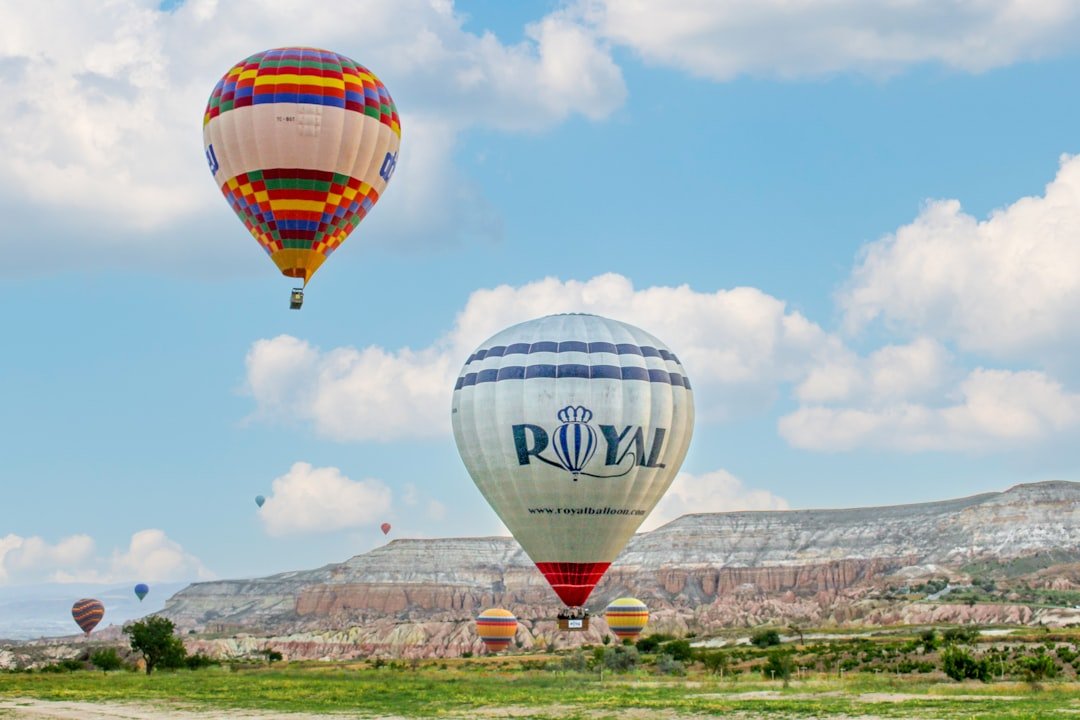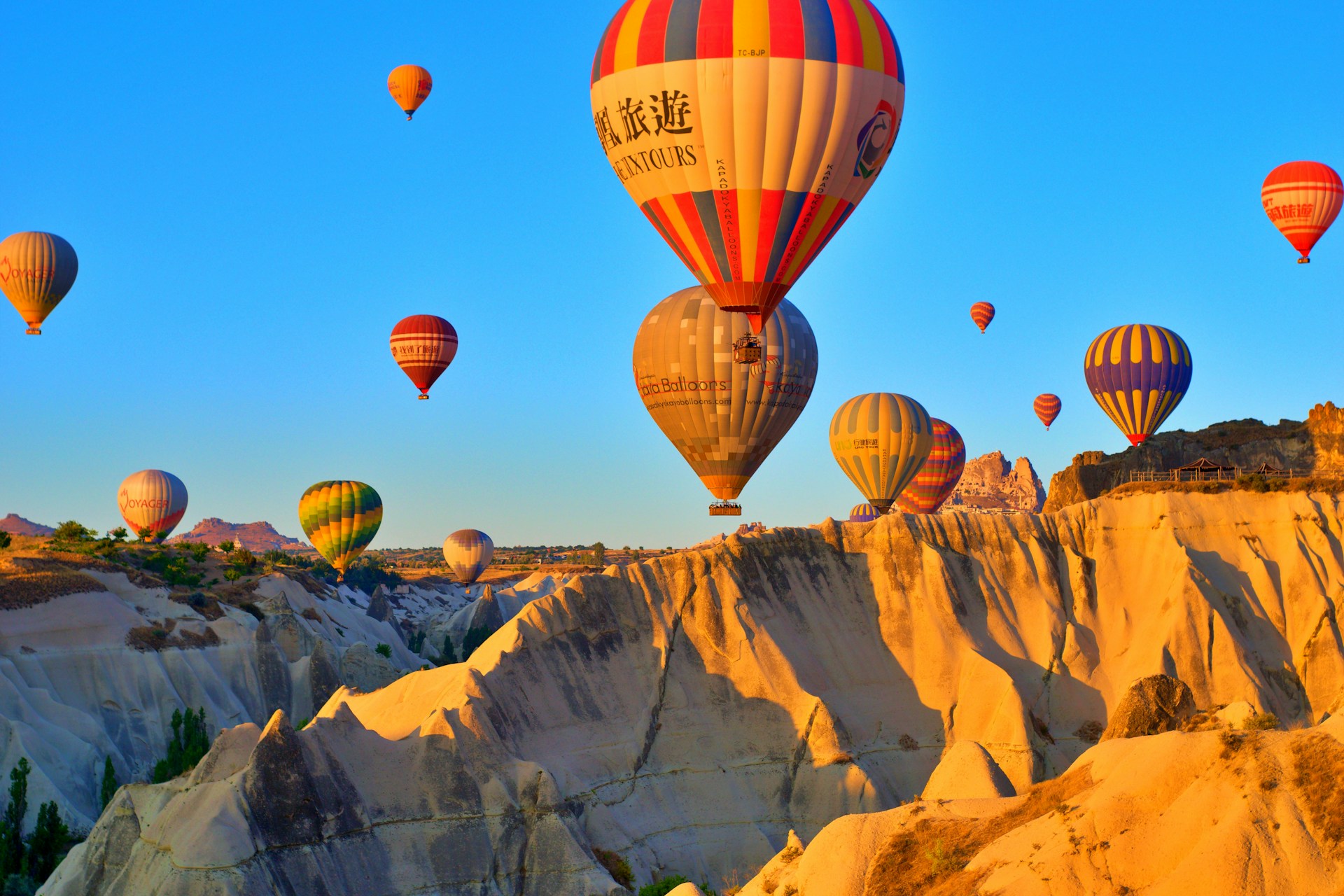
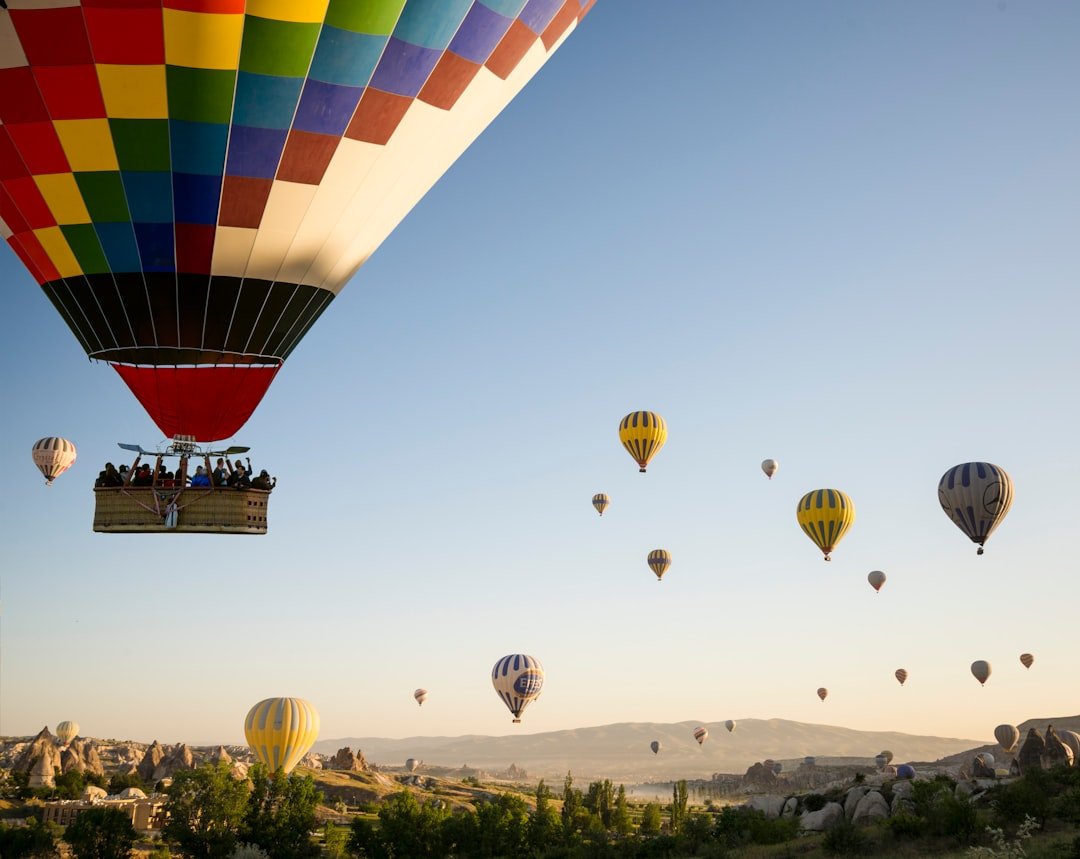
Greater Cappadocia is the wider region spread across Nevşehir Province (with edges in Aksaray, Niğde and Kayseri), and it is far larger than the famous Göreme–Uçhisar core. Within about a 45-minute drive of Göreme you can reach the pottery town of Avanos, the wine town of Ürgüp, the citadel village of Ortahisar, the Ihlara Valley canyon and the deep underground cities of Derinkuyu and Kaymaklı. Because public transport between these places is sparse and slow, most visitors cover the region by private taxi or a self-driven car.
This guide maps out what is actually worth your time in the extended region, how the towns differ, and the smartest way to string them together over two or three days. For the cost of getting between any two points, check the live Cappadocia taxi price calculator rather than relying on fixed figures.
Where is Greater Cappadocia, exactly?
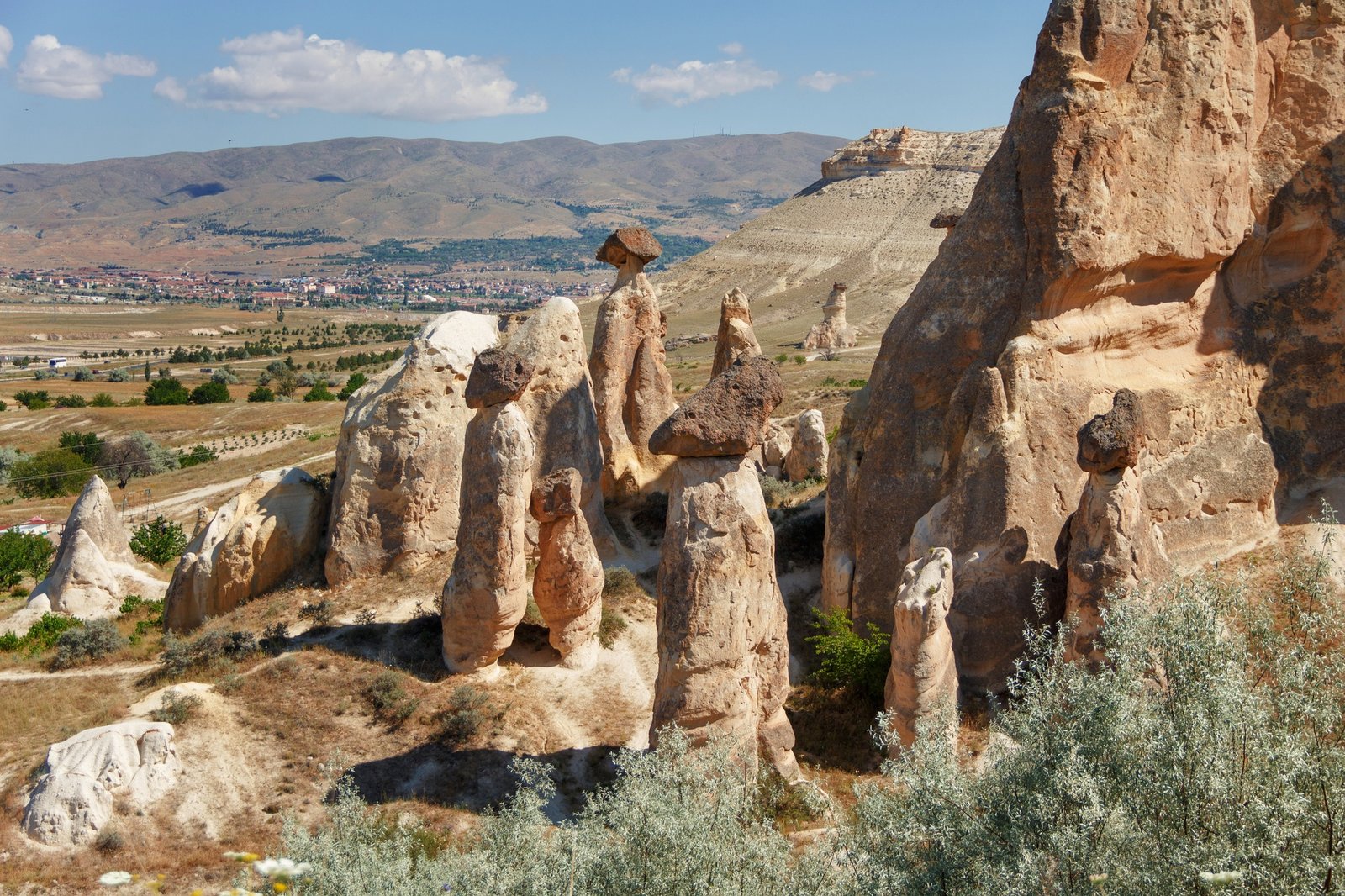
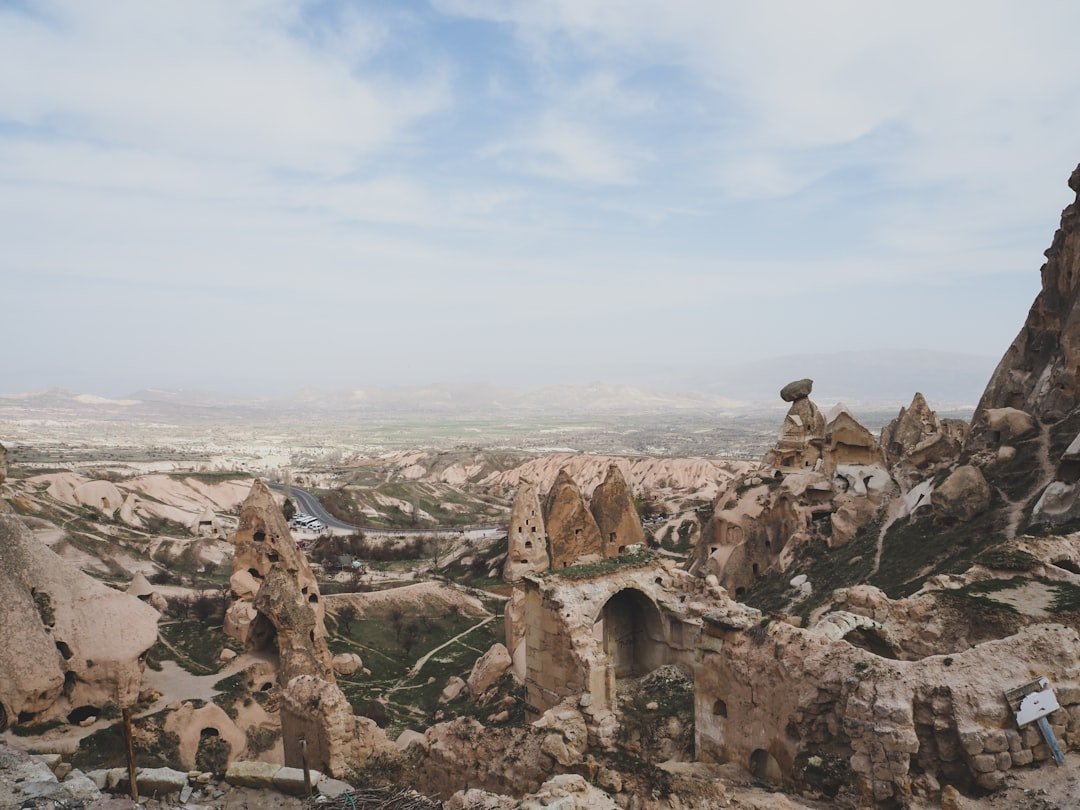
The tourist heart of Cappadocia is a triangle between Göreme, Uçhisar and Ürgüp, all within Nevşehir Province. "Greater Cappadocia" stretches this out to include Avanos in the north on the Kızılırmak (Red River), Ortahisar and Mustafapaşa just south of Ürgüp, the underground cities around Derinkuyu and Kaymaklı to the south, and the Ihlara Valley near Aksaray to the west. The whole inhabited region sits on soft volcanic tuff laid down by the ancient Erciyes, Hasan and Göllüdağ volcanoes, which is why caves, chimneys and underground cities are everywhere.
Distances are short but roads wind through valleys, so plan by drive time rather than kilometres. Göreme to Avanos or Ürgüp is roughly 15 minutes; to Ortahisar about 10; to the Derinkuyu and Kaymaklı underground cities around 30–35; and to the Ihlara Valley about 60–75 minutes each way.
The towns worth basing in or visiting
Ürgüp — wine, old mansions and good restaurants
Ürgüp is the most polished town in the region, built around a hill of carved Ottoman-era stone houses and home to Cappadocia's small but real wine industry. It has the widest choice of restaurants and cave hotels outside Göreme, plus the photogenic Three Beauties fairy chimneys (Üç Güzeller) just outside town. It makes an excellent, slightly quieter base. Getting to and from it is straightforward — see Ürgüp taxi options for taxi rides.
Avanos — pottery on the Red River
Avanos sits on the Kızılırmak, Turkey's longest river, whose red clay has supplied the town's potters for thousands of years. The riverside old town is full of working ceramic studios where you can watch the wheel and try it yourself. It is the calmest of the main towns and pairs naturally with the nearby Zelve Open Air Museum (€12) and the monk-carved Paşabağ fairy chimneys. Plan taxi rides via Avanos taxi.
Ortahisar — a giant rock castle and village life
Ortahisar is built around a towering, honeycombed rock fortress (Ortahisar Castle, entry €3) that you can climb for sweeping valley views. It keeps an unhurried, lived-in feel that the busier towns have lost, and it is the gateway to the Red Valley and Kızılçukur viewpoints famous for their sunset colours.
Mustafapaşa (Sinasos) — Greek heritage in stone
A few minutes south of Ürgüp, Mustafapaşa was a prosperous Greek Orthodox town called Sinasos until the 1924 population exchange. Its carved stone facades, old churches and quiet squares make it one of the most atmospheric villages in the region, and it is rarely crowded.
Underground cities of the wider region
Cappadocia's underground cities are vast multi-level refuges carved into the tuff, used for centuries to shelter from raids. The two biggest open to visitors lie south of Nevşehir. Derinkuyu (entry €13) descends roughly 60 metres through eight visitable levels and could once shelter thousands of people with their livestock, complete with ventilation shafts, stables, a winery and a chapel. Kaymaklı (entry €13), about 10 km north of Derinkuyu, is wider and shallower, with famously low, narrow passages.
Insider tip: pick one underground city, not both — they are similar, and the passages are tight and tiring. Choose Derinkuyu for depth or Kaymaklı for breadth, and visit early before organized groups arrive.
Valleys and hiking across Greater Cappadocia
Much of the region's magic is free and on foot. The standout long walk is the Ihlara Valley (€15), a 14 km green canyon near Aksaray lined with Byzantine cave churches and a cold stream — most people hike the gentle 3–4 km central section. Closer to Göreme, the Red Valley and Rose Valley glow at sunset, Pigeon Valley (free) is dotted with old dovecotes, and Love Valley (free) has the most photographed rock formations. Many trailheads are remote, so arrange a drop-off and pickup rather than hiking back along the road.
- Ihlara Valley: shaded canyon walk past cave churches — best for a half-day out west.
- Red & Rose Valleys: pink-tinged ridges, unbeatable at sunset, near Ortahisar/Çavuşin.
- Pigeon Valley: easy walk between Göreme and Uçhisar lined with carved dovecotes.
- Love Valley: the iconic tall chimneys, short flat trail from the Göreme–Uçhisar road.
How do you get around Greater Cappadocia?
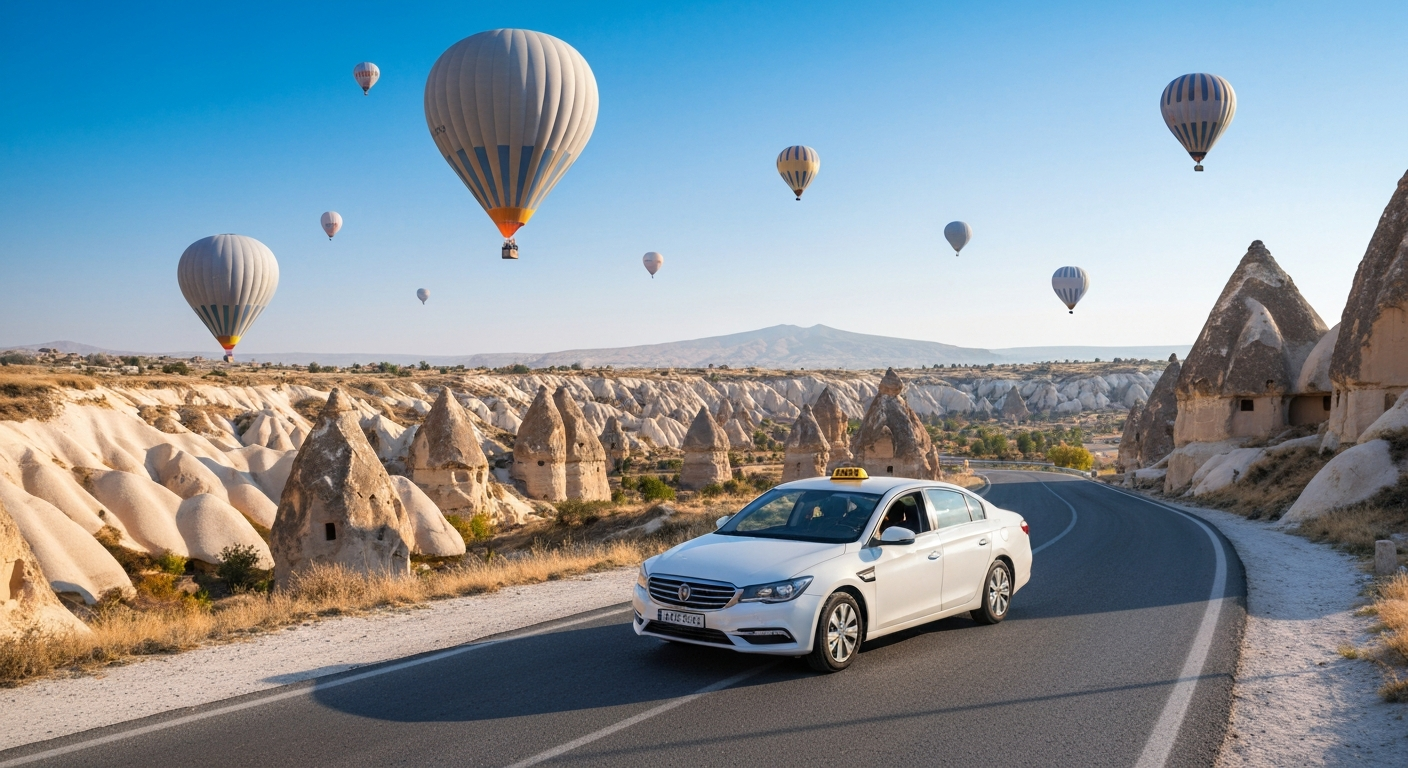
Public buses (dolmuş) connect Göreme, Avanos, Ürgüp and Nevşehir on limited daytime schedules, but they do not reach valleys, trailheads or the underground cities directly, and they stop running early. The two realistic options for covering the wider region are renting a car or hiring a private taxi for point-to-point rides and half-day loops. A taxi removes the need to navigate, park and find trailheads, and lets you be dropped at one end of a valley and collected at the other.
Because fares depend on distance, vehicle size and season, we never quote fixed numbers. Get an exact, up-to-date price for any route on the Cappadocia taxi price calculator, and see the airport taxi guide if you are arriving from Kayseri or Nevşehir airport.
A practical 3-day plan for the extended region
- Day 1 — North loop: Avanos pottery and the Kızılırmak, Paşabağ chimneys, and Zelve Open Air Museum (€12), ending at a Red Valley sunset viewpoint.
- Day 2 — South loop: one underground city (Derinkuyu or Kaymaklı) in the morning, then the Ihlara Valley hike (€15) before returning past Mustafapaşa.
- Day 3 — Core & towns: Göreme Open-Air Museum (€20), Uçhisar Castle (€9) for the best panorama, and an evening in Ürgüp.
For deeper route-by-route detail and seasonal notes, browse our Cappadocia travel info hub. With a private driver you can run each loop in a single relaxed half-day with stops wherever you like.
When to go and what to pack
Spring (April–May) and autumn (September–October) bring mild days, the highest balloon-flight reliability and manageable crowds, making them the best windows for the wider region. Summer is hot and busy; winter is cold and occasionally snowy but quietly beautiful. Whatever the season, the volcanic terrain demands sturdy shoes and layers — mornings and underground cities are cold even in summer, and afternoons can be hot.
- Sturdy, closed walking shoes for valleys and underground passages.
- Layers — it is genuinely cold underground and at sunrise.
- Sun hat, sunglasses and water for exposed valley walks.
- A little cash for small village shops, viewpoints and tips.
- A few Turkish phrases — a warm "merhaba" goes a long way off the tourist track.
Frequently Asked Questions
How many days do you need to see Greater Cappadocia?
Plan three full days to see the extended region comfortably: one day for the northern towns and valleys (Avanos, Paşabağ, Zelve, Red Valley), one for the south (an underground city plus the Ihlara Valley), and one for the Göreme–Uçhisar core. Two days is enough for highlights only; four lets you slow down and add Mustafapaşa or extra hikes.
Is it better to visit Derinkuyu or Kaymaklı?
Visit just one — they are similar in character. Choose Derinkuyu (entry €13) if you want depth, as it drops about 60 metres through eight visitable levels. Choose Kaymaklı (entry €13) if you prefer a wider, less vertical layout. Both have tight passages, so anyone claustrophobic should go early when it is quiet.
Can you reach Greater Cappadocia attractions by public transport?
Only partly. Dolmuş minibuses link Göreme, Avanos, Ürgüp and Nevşehir on limited daytime schedules, but they do not serve the valleys, trailheads or underground cities directly and stop early in the evening. To reach the wider region's sights efficiently, most visitors rent a car or use a private taxi for rides and half-day loops.
How much does a taxi cost between Cappadocia towns?
Fares depend on the distance, the number of passengers and the season, so prices are not fixed. The towns are close — Göreme to Ürgüp or Avanos is around 15 minutes — so inter-town hops are short. For an exact, current quote on any route, use the Cappadocia taxi price calculator.
What is the best base for exploring the wider region?
Göreme is the most central and best connected, ideal for first-time visitors. For a quieter stay with excellent restaurants choose Ürgüp; for the most relaxed, authentic feel choose Avanos or Ortahisar. All four are within about 15 minutes of each other, so your choice affects atmosphere more than convenience.