The best shopping in Cappadocia is concentrated by craft: Avanos for hand-thrown pottery and ceramics, Ürgüp and Göreme for hand-knotted carpets and kilims, and the bazaar streets of Göreme and Uçhisar for portable souvenirs like evil-eye (nazar) charms, copper, onyx and dried fruit. If you only have time for one stop, make it Avanos — it has been a pottery town on the Kızılırmak (Red River) for over 4,000 years, and most workshops let you watch artisans work the wheel.
This guide covers what each town is actually known for, how to tell genuine craft from mass-produced imports, and the practical stuff — bargaining etiquette, shipping bulky carpets home, and getting between the towns. For context on the region's craft traditions, our guide to Cappadocia's pottery artisans goes deeper on the people behind the wheel.
Avanos: Pottery and Ceramics
Avanos sits 18 km north of Göreme, where the red clay of the Kızılırmak feeds dozens of family workshops. This is the place to buy hand-painted plates, bowls, tiles and the classic Hittite-style "wine pitcher." Many studios offer a hands-on wheel-throwing session, which is the most memorable souvenir of all — your own lopsided bowl, plus a real understanding of why the good pieces cost what they do.
- What to buy: hand-painted Iznik- and Kütahya-style ceramics, terracotta pitchers, decorative tiles, and quartz-glazed bowls.
- How to spot quality: hand-painted pieces have slight brushstroke irregularities and an unglazed signature on the base; decal-printed imports are flawlessly uniform and far cheaper.
- Try it yourself: most workshops run a short pottery-wheel demonstration and let visitors throw a pot — ask before you sit down whether there's a fee.
- Watch the weight: ceramics are heavy and fragile, so buy what you can carry safely or arrange shipping.
Insider tip: walk one street back from the main riverfront row. The smaller family ateliers behind the tourist-facing showrooms often sell the same quality for noticeably less, and the artisan is usually the person serving you.
Ürgüp and Göreme: Carpets and Kilims
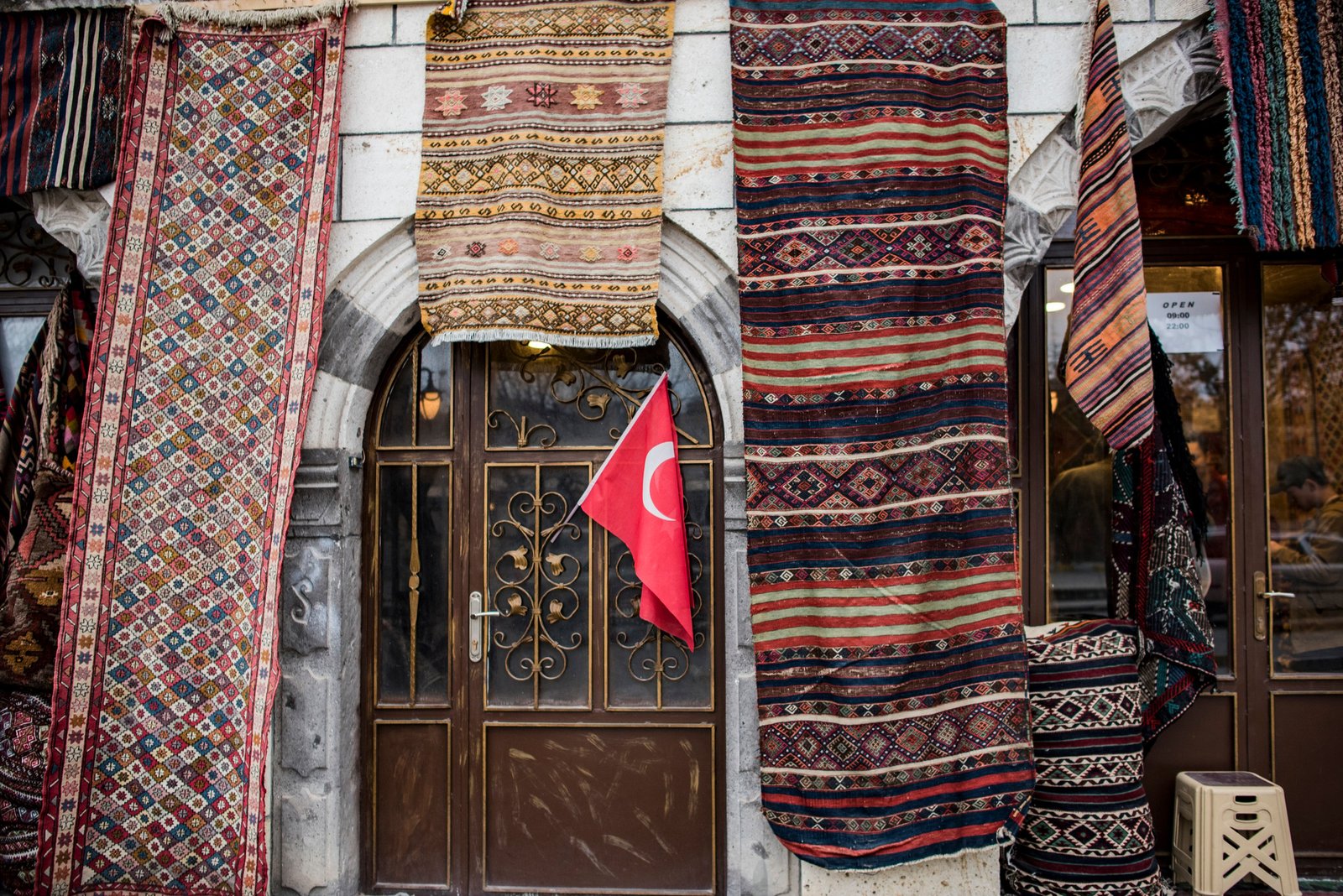
Turkish carpets are the region's flagship purchase, and Ürgüp has the highest concentration of established dealers, with more shops along Göreme's main street. A hand-knotted wool or silk rug is a genuine heirloom — but it is also where tourists most often overpay, so it pays to slow down. Reputable shops will happily explain knot density, dye source (natural vs. synthetic) and origin, and they expect you to take your time over tea.
- Wool, wool-on-cotton, or silk: silk-on-silk is the finest and priciest; wool kilims (flat-woven, no pile) are lighter, cheaper and easier to pack.
- Knot count matters: flip the rug over — more knots per square centimetre and a crisper pattern on the back generally mean higher quality.
- Natural dyes age better: ask whether colours are vegetable-based; rub a damp white cloth on the pile to check colour-fastness.
- Get the paperwork: for anything valuable, ask for an invoice describing material and origin — useful for customs and insurance.
Don't feel pressured to buy on the first visit. The tea and the sales pitch are part of the culture, not a contract.
Göreme and Uçhisar Bazaars: Portable Souvenirs
If you want gifts that fit in a carry-on, the bazaar streets of Göreme and the shops clustered below Uçhisar Castle are ideal. This is where you'll find the small, characterful things Cappadocia is known for.
- Nazar (evil-eye) charms: the blue glass amulet, sold as keyrings, magnets, bracelets and wall hangings.
- Turkish lamps: mosaic glass lamps and lanterns — beautiful, but check they're packed in sturdy boxes for the flight.
- Copper and onyx: hand-hammered copper coffee pots (cezve) and carved onyx chess sets and bowls.
- Textiles: peştemal towels and pashmina-style scarves, light and easy to pack.
- Spices and tea: sumac, Urfa pepper, apple tea and saffron, usually sold loose by weight.
Edible Souvenirs Worth the Suitcase Space
Central Anatolia grows some of Turkey's best dried fruit and nuts. Sun-dried apricots, mulberries, walnuts and pistachios are everywhere, and Turkish delight (lokum) and pestil (fruit leather) travel well. Buy from shops that let you taste first, and keep edible goods in your checked bag in case of customs limits on your route home.
How to Bargain (Politely)
Bargaining is expected in bazaars and craft shops, but not in supermarkets or fixed-price chains. The tone is friendly, not adversarial.
- Show genuine interest, ask the price, then counter at roughly 60–70% and settle somewhere in the middle.
- Buying several items together gives you the most leverage for a discount.
- Walking away calmly is a normal and effective negotiating move — if the price was real, they'll often call you back.
- Paying in cash (Turkish lira) frequently earns a better price than card; many shops add a card surcharge.
Getting Between the Shopping Towns
Cappadocia's craft is spread across separate towns — Avanos for ceramics, Ürgüp and Göreme for carpets — and they aren't all walkable from one another. Avanos to Göreme is about 18 km, and Ürgüp sits roughly midway. Local buses (dolmuş) connect the main towns but run on their own schedule and won't wait while you browse. For an unhurried shopping circuit, a private taxi or a half-day driver lets you carry purchases between stops without lugging fragile ceramics onto a minibus.
To plan the cost of hopping between Avanos, Ürgüp and Göreme, check the Cappadocia taxi price calculator for a live fare. If you're basing your trip around shopping and sightseeing towns, our guide to getting around Cappadocia compares your transport options.
Shipping and Customs Tips
- Established carpet and ceramic shops routinely arrange international shipping — get the cost and estimated delivery time in writing before you pay.
- Keep your receipts; some countries require proof of value, and antique-looking items may face export rules.
- Genuine antiques (over 100 years old) cannot legally leave Turkey without a permit, so treat any "antique" claim with caution.
- Leave space — and packing material — in your luggage for fragile finds, or buy a cheap soft bag locally to check them.
Frequently Asked Questions
What is Cappadocia famous for buying?
Cappadocia is best known for hand-thrown pottery and ceramics from Avanos, hand-knotted Turkish carpets and kilims sold in Ürgüp and Göreme, blue evil-eye (nazar) charms, copperware, onyx, and local dried apricots, nuts and Turkish delight. Avanos pottery and Turkish carpets are the region's signature, heirloom-quality souvenirs.
Where is the best place to buy pottery in Cappadocia?
Avanos, 18 km north of Göreme on the Kızılırmak River, is the best place to buy pottery in Cappadocia. The town has crafted ceramics from the river's red clay for thousands of years, and most workshops both sell finished hand-painted pieces and offer pottery-wheel sessions where you can make your own.
Can you bargain when shopping in Cappadocia?
Yes. Bargaining is expected in bazaars, carpet shops and craft stores, though not in supermarkets or fixed-price chains. Counter at around 60–70% of the asking price, stay friendly, and consider buying several items together or paying cash in Turkish lira for a better deal.
How do I get my carpet or ceramics home from Cappadocia?
Most established carpet and ceramic shops in Ürgüp, Göreme and Avanos arrange international shipping; confirm the price and delivery time in writing before paying. For smaller items, pack fragile ceramics carefully in your checked luggage. Keep all receipts, as genuine antiques over 100 years old require an export permit to leave Turkey.
How do I travel between Cappadocia's shopping towns?
Avanos, Ürgüp and Göreme are linked by local dolmuş minibuses, but they run on fixed schedules and aren't ideal when you're carrying fragile purchases. A private taxi or half-day driver lets you shop a multi-town circuit at your own pace; check the Cappadocia taxi price calculator for current fares between towns.