
In Turkey, any driver carrying paying passengers in Cappadocia must hold a valid driving licence plus a government-issued SRC professional competency certificate, drive a vehicle with commercial passenger insurance, and operate under a licensed company or D2/tourism transport authorisation. A standard private licence alone is not legal for paid taxi rides. The practical takeaway for travellers: book through a licensed, insured operator rather than flagging an unmarked car, because that is the single thing that guarantees a qualified driver and a covered vehicle.
This guide explains the real qualifications behind a Cappadocia taxi driver, what each credential means, and the short checklist you can run before you get in the car. It is written from the perspective of operators who drive the Kayseri and Nevşehir airport roads daily.
What licences must a Cappadocia taxi driver hold?
Driving tourists for a fee is a regulated commercial activity in Turkey, not a casual side job. A compliant Cappadocia driver carries several layered credentials, each covering a different risk.
- A valid Turkish driving licence (ehliyet) for the vehicle class they operate — class B for a sedan or minivan, higher classes for minibuses and coaches.
- An SRC professional competency certificate. SRC2 covers commercial passenger transport on scheduled and chartered routes; SRC4 covers shorter-distance passenger transport. Most airport taxi and sightseeing drivers hold an SRC2. The certificate proves they passed a course on traffic law, passenger safety, and journey rules.
- A psychotechnical assessment certificate (psikoteknik), a periodic cognitive-reaction test required of professional drivers in Turkey.
- Commercial passenger insurance on the vehicle (zorunlu koltuk ferdi kaza sigortası) so every seat is covered in an accident — something a private car insurance policy does not provide for paid passengers.
- A company or tourism transport authorisation — typically a yellow taxi licence plate for metered taxis, or a D2/tourism-transport (TÜRSAB-linked) permit for private taxi and sightseeing vehicles.
Rule of thumb: if a vehicle has no commercial plate and the driver cannot show an SRC card, it is an informal ride — uninsured for you as a passenger, regardless of how friendly the driver is.
Why Cappadocia's roads demand more than a basic licence
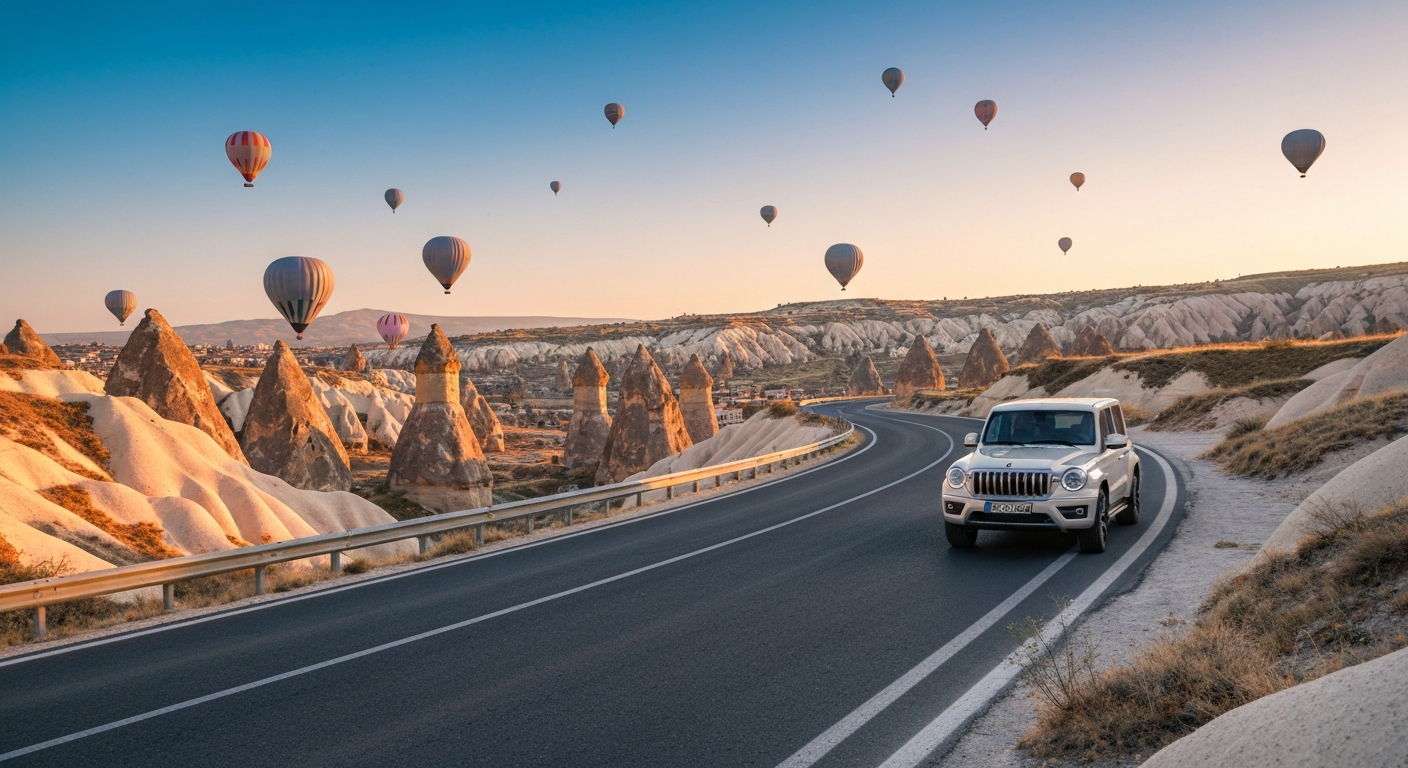
The region's geography is genuinely demanding. The main artery from Kayseri Airport (ASR) is around 75 km of fast intercity highway, while the Nevşehir Airport (NAV) approach feeds into narrow, winding village lanes through Göreme, Uçhisar, and Avanos. Winter brings black ice and snow on the high plateau between November and March, and summer brings heavy tourist-bus traffic on single-lane valley roads.
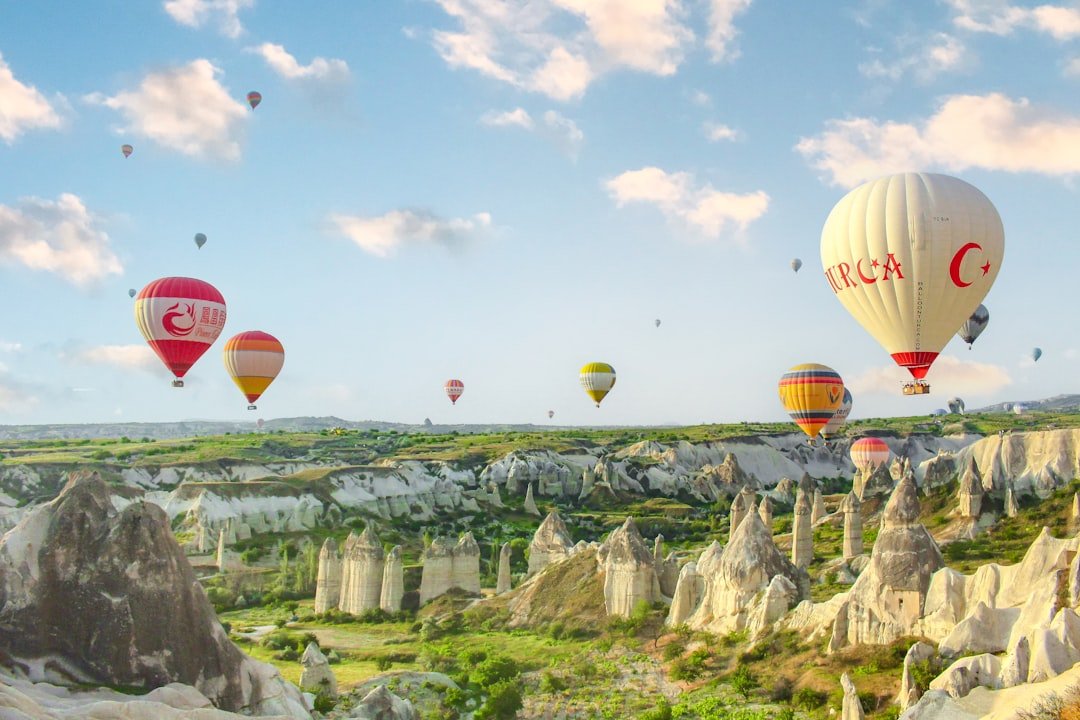
An experienced local driver knows which Göreme back streets a minivan cannot physically fit through, where cave-hotel drop-offs require walking the last 50 metres, and how morning balloon traffic clogs the Sunset and Sunrise viewpoints at dawn. That local knowledge is not a formal certificate — it is earned road time, and it is the difference between a smooth pickup and a stressful one. For more on the routes themselves, see our Cappadocia taxi and route guide.
How to verify a driver's qualifications before you book
You will rarely inspect an SRC card at the kerb, so the real safeguard happens at booking. These checks take two minutes and filter out almost every risky option.
- Book a licensed operator, not a random car. Established taxi companies are legally bound to use SRC-certified drivers and insured, plated vehicles. Read recent reviews for mentions of punctuality and English communication.
- Confirm the price in writing first. A professional service gives a fixed quote before pickup. Compare it against the live Cappadocia taxi price calculator so you know the fair rate for your route and vehicle size.
- Check the vehicle on arrival. A commercial plate, working seatbelts in every seat, a clean and maintained interior, and a driver who confirms your name and destination are all good signs.
- Ask about child seats in advance. Turkish law requires appropriate restraints for young children; a compliant operator will provide them on request. See our guide to child safety and car seats in Cappadocia taxis.
- Prefer pre-booked private taxi over hailing. A confirmed booking ties a named, accountable driver and vehicle to your trip, which is why we explain why we always book a private taxi.
What good drivers add beyond the paperwork
Certification sets the floor; experience sets the standard. The drivers worth booking practise defensive driving on icy winter passes, speak enough English to handle a delayed-flight reschedule, and know the region well enough to point out that Göreme Open-Air Museum entry is €20 or that Uçhisar Castle costs €9 if you ask. They track your flight so a late landing does not mean a missed pickup, and they understand the etiquette of cave-hotel neighbourhoods. These soft skills do not appear on a licence, but they define the experience.
If you want the deeper reasoning on choosing trained professionals, our article on why a private driver is worth the investment and the wider Cappadocia taxi safety standards cover it in detail.
Frequently Asked Questions
Do Cappadocia taxi drivers need a special licence?
Yes. Beyond a standard Turkish driving licence, drivers carrying paying passengers must hold an SRC professional competency certificate (usually SRC2 for airport taxi rides and sightseeing trips), pass a periodic psychotechnical assessment, and operate a vehicle with commercial passenger insurance and a licensed plate. A private licence alone is not legal for paid taxi rides.
What is an SRC certificate?
The SRC (Sürücü Mesleki Yeterlilik Belgesi) is a Turkish professional driver competency certificate. It is earned by completing an accredited course and exam covering traffic law, passenger safety, and transport regulations. SRC2 applies to commercial passenger transport, which is the category most Cappadocia airport taxi and sightseeing drivers hold.
Are Cappadocia taxi drivers insured for passengers?
Licensed commercial taxi vehicles must carry compulsory seat accident insurance covering every passenger, in addition to standard traffic insurance. Informal rides in unmarked private cars typically do not, which is the main reason to book through a licensed operator rather than hailing a random vehicle.
Do Cappadocia drivers speak English?
Many professional taxi and sightseeing drivers in Cappadocia speak conversational English, since the region is heavily tourism-focused. English fluency is not a legal requirement, so if it matters to you, confirm it when booking — reputable operators state their drivers' language skills up front.
How do I make sure I get a qualified driver?
Book a confirmed private taxi with a licensed company instead of hailing a car on arrival, get a fixed price in writing, and check the vehicle has a commercial plate and working seatbelts. You can verify the fair rate for your route on the Cappadocia taxi price calculator before you travel.