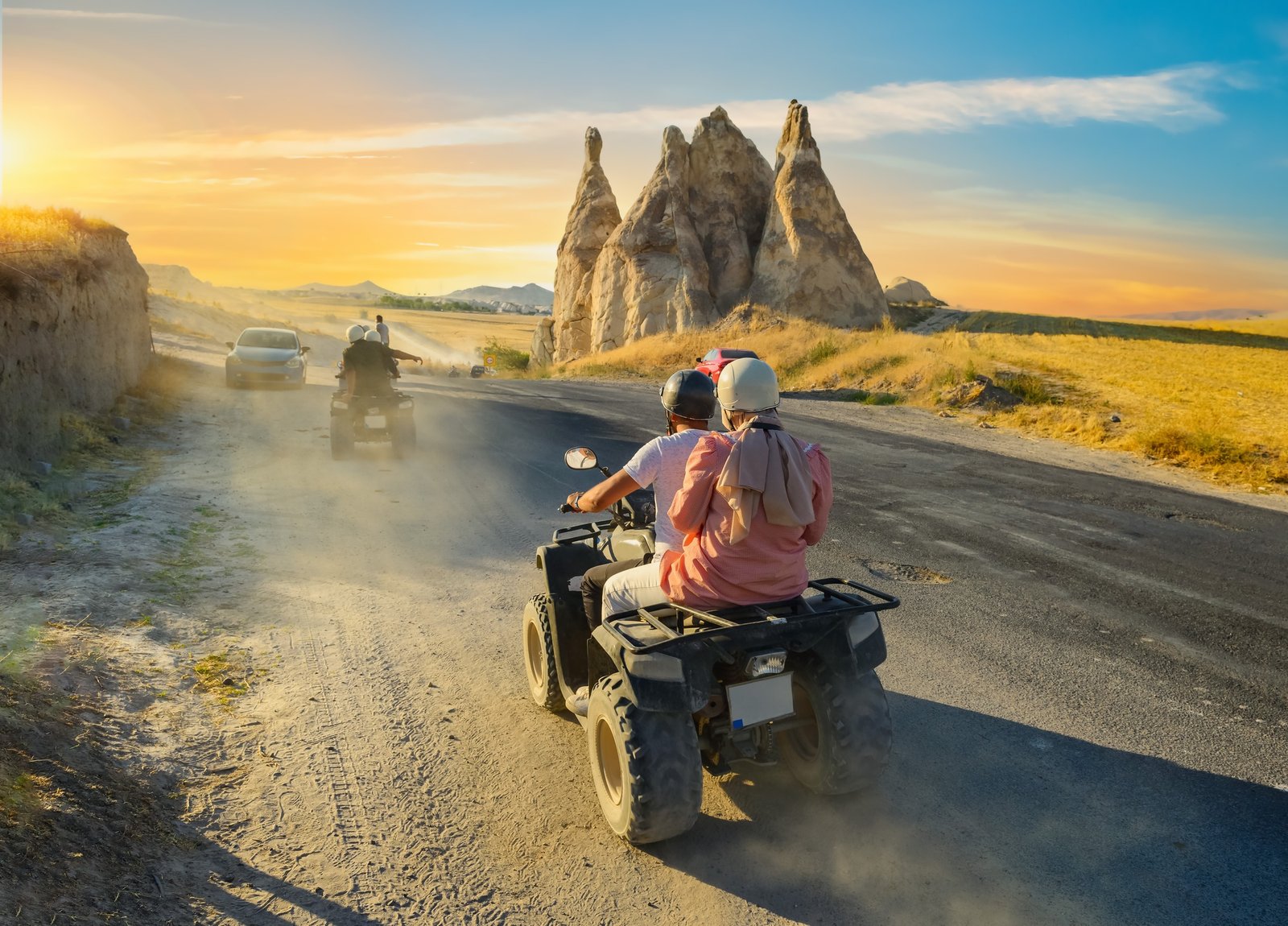
Cappadocia's main roads are in good condition and easy to drive year-round, but the region's appeal lies off the highway — narrow village lanes, unpaved valley tracks and steep viewpoints that demand care. The paved D300/D302 highways linking Kayseri, Nevşehir and the central villages (Göreme, Ürgüp, Avanos, Uçhisar) are smooth, well-signed two-lane routes. Trouble comes from gravel valley roads after rain, icy surfaces in winter, tight medieval village streets, and free-roaming livestock. If you would rather skip the wheel entirely, a private taxi covers every route door-to-door — check the live fare on the Cappadocia taxi price calculator.
Are the roads in Cappadocia good for driving?
Yes — the core tourist triangle is connected by modern, well-maintained asphalt. The two airports that serve the region, Kayseri (ASR) and Nevşehir Cappadocia (NAV), both link to the villages via state highways that are regularly resurfaced and lit on the main stretches. Distances are short: most journeys between Göreme, Ürgüp, Avanos, Uçhisar, Çavuşin and Ortahisar take 10–25 minutes. The driving challenge in Cappadocia is rarely the surface quality and almost always the context — tight historic streets, soft valley tracks, sharp seasonal weather, and the occasional flock of sheep crossing at dusk.
For a fuller breakdown of buses, dolmuş minibuses, taxis and rentals, see our getting around Cappadocia transport guide.
The main highways: Kayseri and Nevşehir to the villages
The D300 and D302 are the backbone of the region and are in reliably good shape. From Kayseri Airport, the route to Göreme runs roughly 75–80 km (about a one-hour drive) on dual-lane highway before narrowing into the village approaches. From Nevşehir Cappadocia Airport the run to Göreme is shorter, around 40 km (about 40 minutes). Both roads are paved, signposted in Turkish and English, and patrolled by jandarma (rural police) who enforce speed limits — fixed and mobile radar are common, so stick to posted limits.
- Kayseri (ASR) → Göreme: ~75 km, ~1 hour, mostly highway. See the Kayseri to Cappadocia airport taxi page.
- Nevşehir (NAV) → Göreme: ~40 km, ~40 minutes, highway plus village approach.
- Between central villages: 5–25 minutes each, all paved (Göreme↔Ürgüp, Göreme↔Avanos, Uçhisar↔Göreme).
- To the underground cities (Kaymaklı, Derinkuyu) and Ihlara Valley: 30–60 minutes south of Nevşehir on good two-lane highway.
Fuel stations are plentiful along the highways and in Nevşehir, but thin out on the way to remote sites such as Soğanlı Valley — fill up before heading deep into the countryside.
Village streets: narrow, steep and easy to get stuck in
Inside Göreme, Ürgüp, Uçhisar and Ortahisar, the historic centres were built for donkeys, not SUVs. Lanes are steep, one-car wide, sometimes cobbled, and often dead-end at a cave hotel with nowhere to maneuver. GPS routinely sends drivers up streets too tight to pass. The practical move is to park at the edge of the village (most hotels have a designated lot or will guide you) and walk the last stretch with your luggage. Uçhisar, perched on its castle hill, is especially tight and steep — manual-transmission hill starts on a busy lane are a common stress point for visitors.
Insider tip: in the old quarters, follow your hotel's exact parking instructions rather than the GPS pin. The pin often lands on a pedestrian lane your car physically cannot enter.
Valley and viewpoint roads: where a normal car reaches its limit
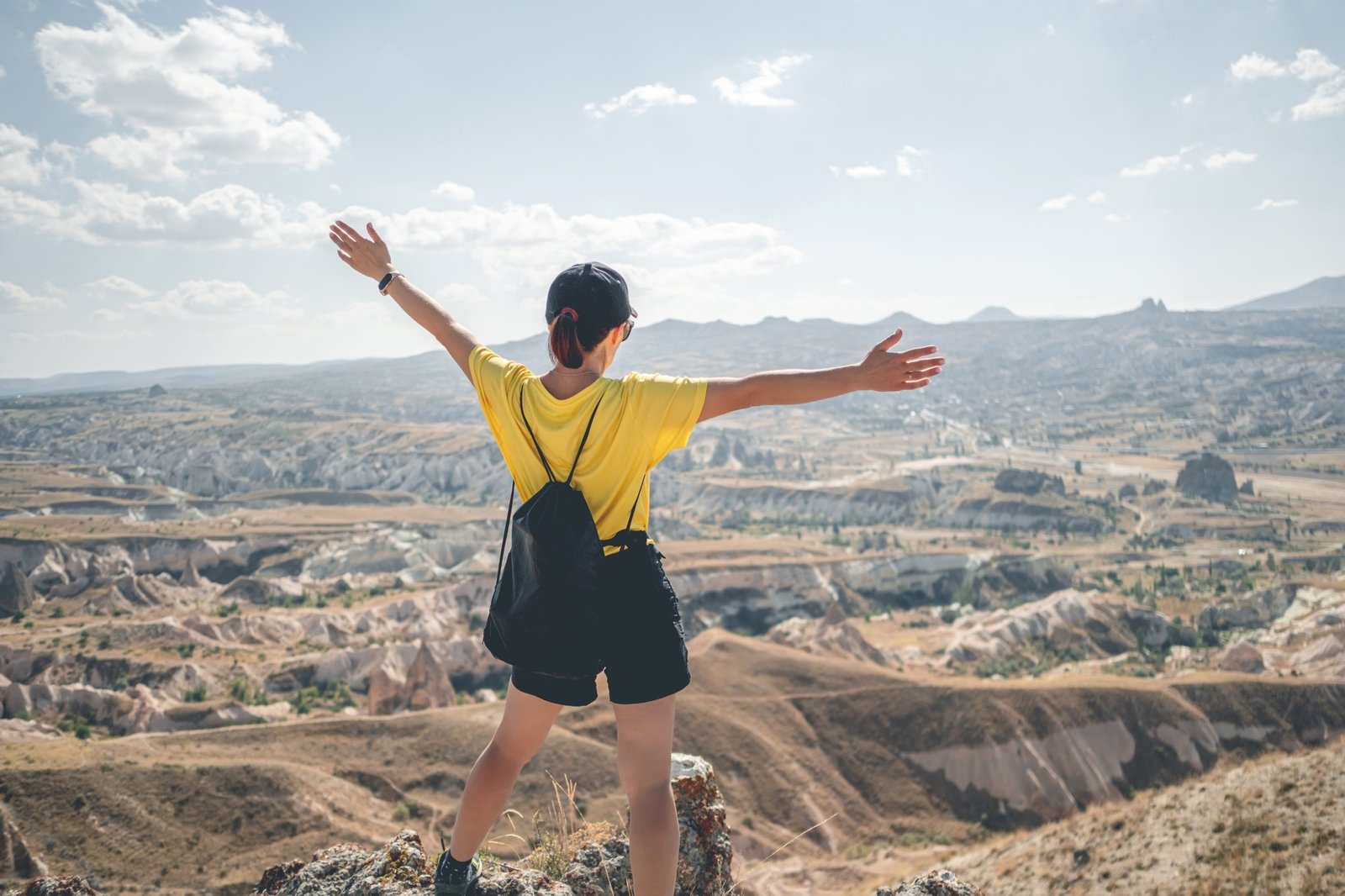
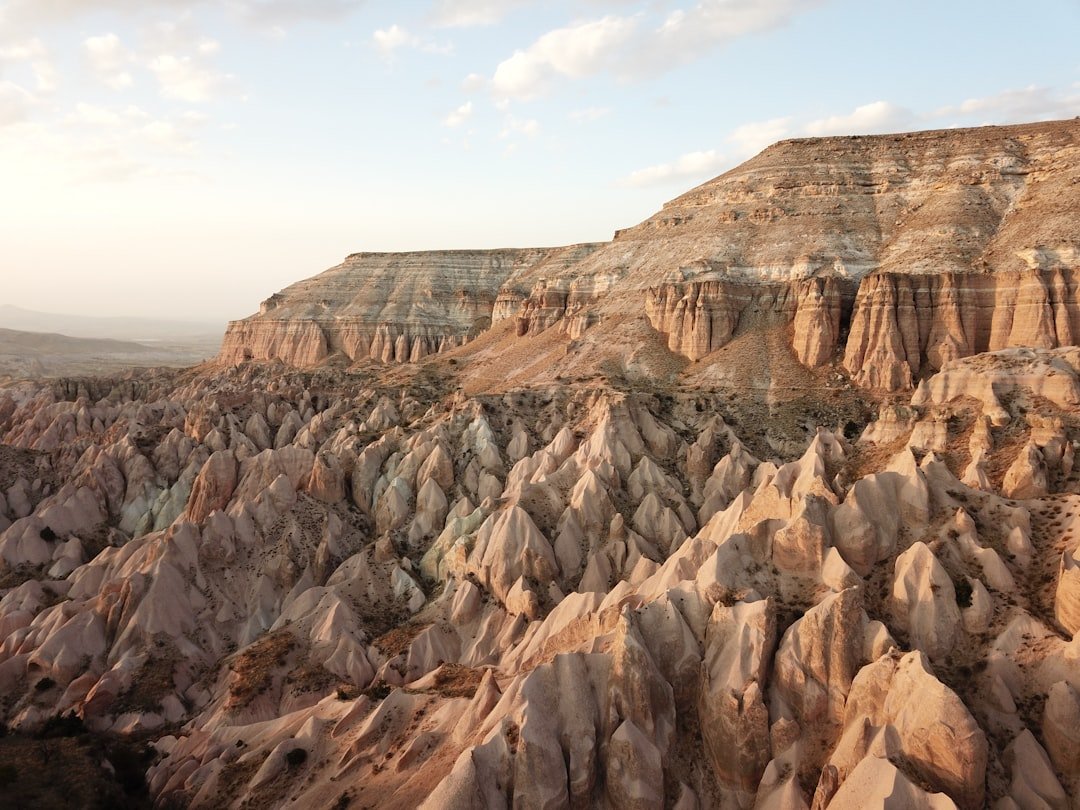
The most photogenic spots — Red Valley, Rose Valley, Love Valley, Devrent and the panoramic sunrise points — are often reached by unpaved gravel or packed-dirt tracks. In dry weather a standard sedan handles most of them slowly and carefully. After rain these tracks become slick mud, and ruts can ground a low car. A higher-clearance vehicle helps but is not essential for the popular viewpoints, which are graded for coaches. For deeper, less-visited tracks, walking the final stretch or calling a taxi with a driver who knows the surface is the safer call.
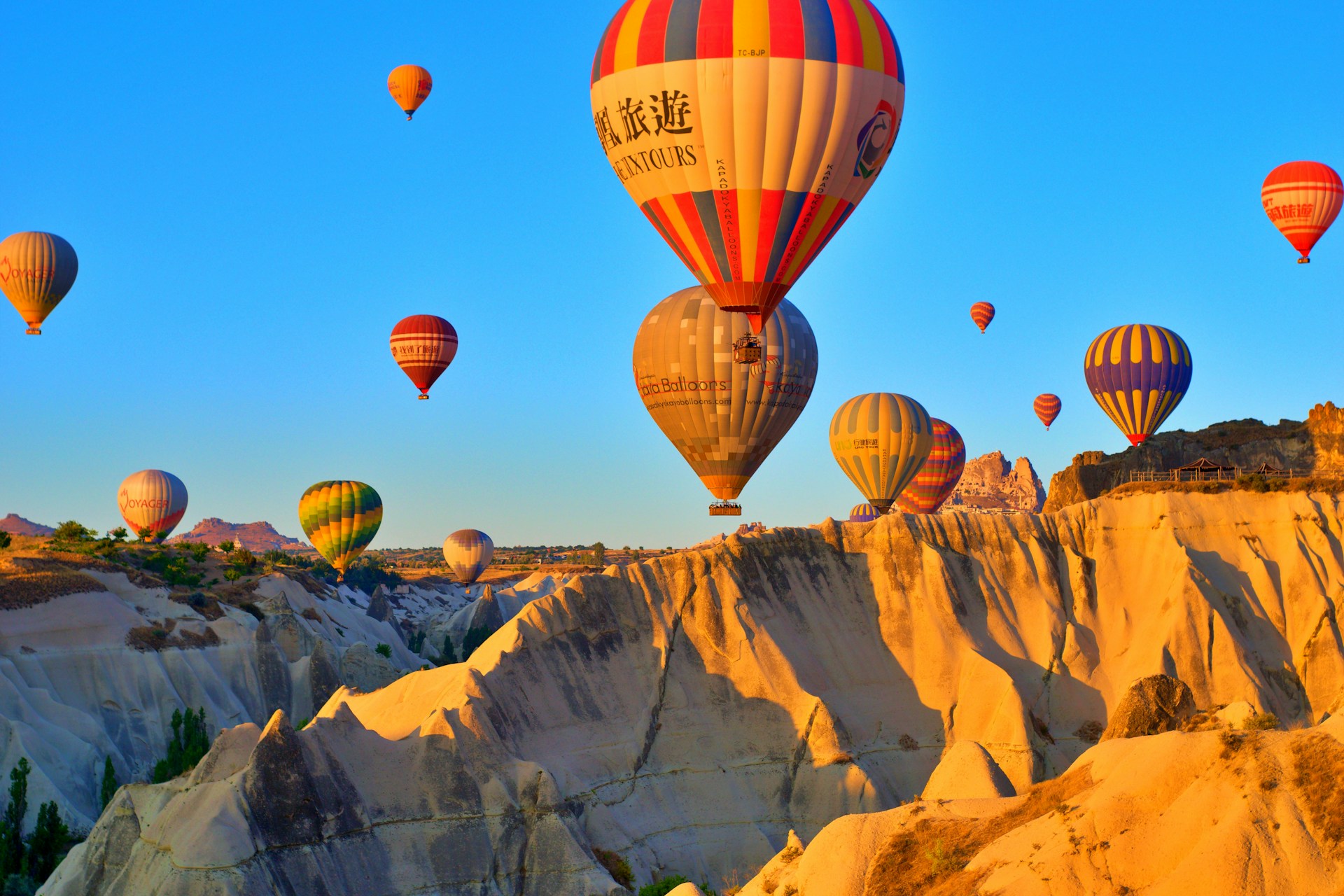
- Well-graded, sedan-friendly: Göreme Panorama, Uçhisar Castle approach, the main balloon-watching viewpoints.
- Gravel, drive slow: Red Valley Red Valley Park (€25), Devrent, Çavuşin back roads.
- Rough after rain: remote valley floors and shortcut tracks — avoid in a low rental.
- Entrance fees still apply at gated sites: Göreme Open-Air Museum €20, Zelve €12, Kaymaklı Underground City €13.
Heading to a specific viewpoint and prefer to be driven? A taxi from Ortahisar to Rose Valley drops you at the trailhead and waits, so you never gamble your rental's clearance on a muddy track.
Seasonal road conditions: what changes month to month
Cappadocia sits on a high plateau (~1,000 m), so weather swings are real and they reshape the roads.
Winter (December–February)
This is the toughest season to drive. Snow and ice are frequent, overnight temperatures fall well below freezing, and morning black ice forms on shaded bends and bridges. Main highways are ploughed and salted promptly, but village lanes and valley tracks can stay icy for days. Turkish law effectively requires winter tyres in the cold months, and snow chains are wise for the back roads. If you are not confident on ice, hand the keys to a local driver — see our December winter taxi guide.
Spring (March–May)
Mild and beautiful, but the wettest stretch of the year. Rain changes unpaved valley roads into mud and can briefly flood low dips after heavy showers. Paved routes stay fine. Check the forecast before committing a low car to any dirt track.
Summer (June–August)
Dry, hot and the easiest surfaces to drive — but the busiest. Expect congestion and scarce parking around Göreme Open-Air Museum and the central junctions, especially at sunset. Unpaved tracks get dusty, and afternoon glare on west-facing roads is harsh; carry sunglasses.
Autumn (September–November)
Many locals' favourite driving season: warm days, thinning crowds, dry roads and golden valleys. Occasional showers can slicken dirt tracks late in November, but conditions are otherwise close to ideal.
Driving rules and safety essentials
- Drive on the right; seatbelts are mandatory for all occupants.
- Speed cameras are everywhere on the highways — fines reach your rental company and get billed to your card.
- Livestock and tractors share rural roads, especially around dawn and dusk near Avanos and the southern villages.
- An International Driving Permit plus your home licence is recommended for renting.
- Emergency number is 112 for police, ambulance and fire across Turkey.
- Avoid night driving on unlit valley and village roads if you can — surfaces and edges are hard to read.
Should you drive yourself or use a taxi?
Self-driving suits travellers who want spontaneity and plan to range beyond the core villages — Ihlara Valley, the southern underground cities, or Sultanhanı caravanserai. But for most short stays, a private taxi is faster, cheaper than it looks, and removes every road-condition worry: no winter-tyre rules, no parking scramble in Uçhisar, no muddy-track gamble. A professional driver knows which valley road is passable today and which is washed out.
For arrival and departure, a pre-booked Cappadocia airport taxi meets you in the terminal and drives straight to your cave hotel. To compare door-to-door routes and current pricing, use the Cappadocia taxi price calculator. Weighing the trade-offs in detail? Read private taxi vs shuttle.
Frequently Asked Questions
Do I need a 4x4 to drive in Cappadocia?
No. A standard sedan handles all paved highways, village roads and the popular viewpoints, which are graded for coaches. A 4x4 or higher-clearance car only helps on remote unpaved valley tracks, and especially after rain or in winter. For most visitors a regular rental — or a private taxi — is enough.
Are Cappadocia roads safe to drive in winter?
Main highways are ploughed and salted and stay passable, but snow and black ice make village lanes and valley tracks genuinely hazardous. Winter tyres are required by Turkish law in the cold months and chains are advisable for back roads. If you are not used to driving on ice, a local driver is the safer choice between December and February.
How far is Kayseri Airport from Göreme by road?
Kayseri Airport (ASR) is roughly 75–80 km from Göreme, about a one-hour drive on good highway. Nevşehir Cappadocia Airport (NAV) is closer at about 40 km, around 40 minutes. For the current fare on either route, check the Cappadocia taxi price calculator.
Can I drive into Göreme or Uçhisar village centres?
Technically yes, but the historic centres have very narrow, steep lanes that often dead-end with no room to maneuver. Most cave hotels have a dedicated parking spot at the village edge and will direct you there — follow their instructions rather than the GPS pin, which frequently lands on a pedestrian-only lane.
Is it better to rent a car or use a taxi in Cappadocia?
Renting suits travellers wanting to roam far beyond the central villages. For most stays a private taxi is simpler and removes every road worry — winter tyres, tight-lane parking and muddy valley tracks are all handled by a driver who knows today's conditions. Compare routes and live pricing on the Cappadocia taxi price calculator.